



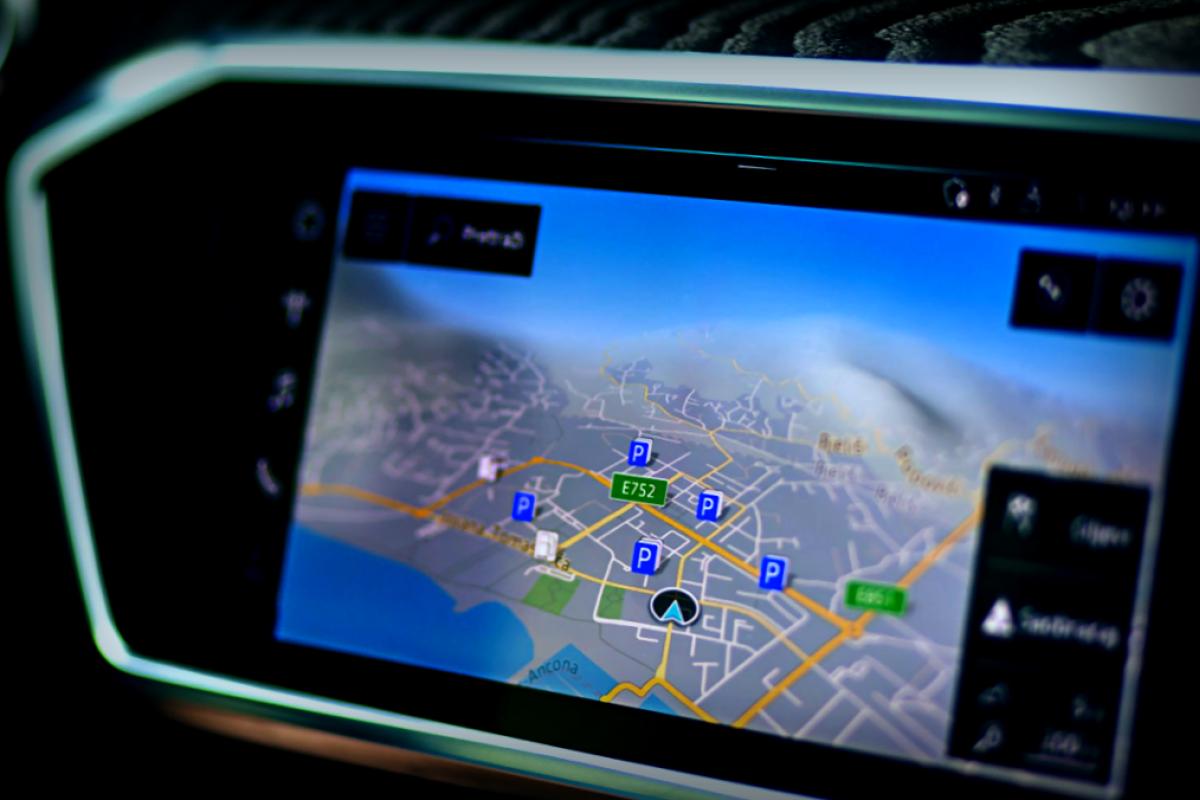
Subscription Services Taking Charge of Navigation
Maps have come a long way, haven’t they? Gone are the days of folding paper maps on road trips. Thanks to technology, maps have transformed into powerful digital tools that shape how we get around. It all started with GPS systems, which made it possible to find our way in real-time. Early players like Garmin and TomTom provided standalone GPS devices that became household essentials. But as smartphones took over, these devices began to face tough competition from apps that offer a blend of features powered by internet connectivity.
Now, we see services like Google Maps, Waze, and Apple Maps leading the pack, offering free navigation that goes way beyond simple route finding. With features like real-time traffic info, accident alerts, and details on public transport, these platforms have reset what users expect from their navigation tools. Today, it’s all about getting personalized, fast, and interactive services that static paper maps could only dream of.
Subscription models are changing the game in terms of how we interact with these navigation services. Many of us are willing to fork out some cash for perks like ad-free usage, offline maps, and top-notch customer support. As people get used to these benefits, it’s no surprise that interest in subscription navigation services is on the upswing.
Personalization and Features That Shine
What makes subscription navigation services so appealing? It’s simple: specialized features that adapt to your journey. The power of technology means that apps are now tapping into user data to dish out real-time updates and tailored route options. For instance, Waze uses community feedback to keep its users informed about current road conditions—things like accidents and closures—so it can suggest alternate routes to avoid unwanted delays.
But it’s not just about traffic. These apps often join forces with other platforms to deliver comprehensive travel insights. From weather updates to alerts about local events and must-visit attractions, navigation apps are evolving beyond just giving directions. With AI and machine learning driving these innovations, your navigation experience can become more personalized the more you use it. This enhances both user satisfaction and loyalty, creating a win-win.
The infusion of AI in navigation is a game changer. By analyzing user behavior, these apps can suggest smarter routes and relevant stops based on past habits. If, say, you usually grab coffee every morning, your app could recommend nearby spots during your commute, making your travel even smoother. This way, our expectations from mapping apps are set at a whole new level.
The Financial Landscape for Users and Companies
So, is it worth paying for a subscription navigation service? Many people weigh the perks and the prices carefully. Free versions like Google Maps do a fantastic job, but many paid options offer an upgraded experience. Take TomTom GO Navigation, for example, which provides offline maps, alerts about speed cameras, and detailed lane information—absolute lifesavers for frequent travelers or those venturing off the beaten path.
From a business standpoint, the rise of subscription-based navigation opens both doors and challenges. Traditional map companies, like Rand McNally, are having to rethink their approach as the digital shift continues. Conversely, free navigation apps have to keep innovating to prove their worth amid premium options. For example, MapQuest has redirected its focus towards specific business services like fleet management.
Moreover, subscription models offer fresh revenue opportunities through targeted marketing and partnerships. Navigation services can help businesses reach potential customers based on their geographical data and habits—a strategy that not only strengthens advertising efforts but also provides users with relevant and timely info.
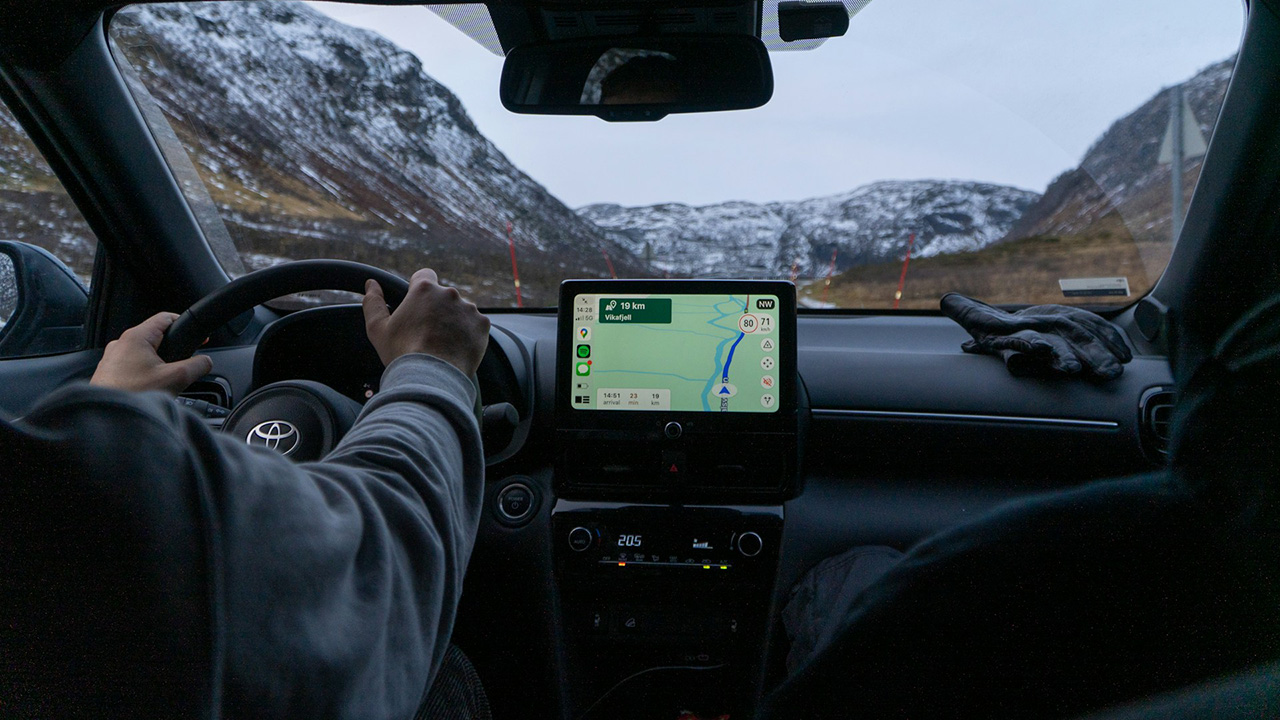
Navigating the Privacy Landscape
As these intuitive navigation services roll out, privacy concerns naturally take center stage. Since subscription models lean heavily on data collection for personalization, it raises the question of what data gets gathered and how it’s utilized. Companies like Apple are stepping up by emphasizing privacy with enhanced features like on-device processing and anonymous data collection.
Still, users are understandably skeptical about how their data is handled. It’s crucial for users to grasp the data collection procedures employed by navigation apps—these systems often keep information on location trends, searches, and personal histories. While this info serves to enhance service precision, there’s always a risk of it being shared with advertisers. Clear, transparent communication around these policies helps nurture trust among consumers.
The growing push for data protection means tighter regulations are cropping up. Initiatives like the GDPR in the EU are establishing strict rules on personal data handling, including mandatory consent for data collection and users’ rights to view or delete their information. As the importance of data privacy escalates, companies must adapt their strategies to follow these regulations while ensuring user confidence in sharing their details.
What Lies Ahead for Navigation Technology?
The upcoming era of navigation technology looks to be incredibly vibrant as emerging innovations like augmented reality (AR) and virtual reality (VR) take the stage. AR, for example, can seamlessly overlay information on the physical world, enabling users to experience step-by-step visual directions which are particularly handy in busy city settings. Google Maps is treading down this path, combining AR functionality to layer instructions over your camera’s view of your surroundings.
Moreover, keeping pace with the Internet of Things (IoT) is likely to reshape how we interact with navigation apps. Smart devices can supply real-time insights on road conditions, parking availability, and environmental stats, allowing navigation applications to present precisely tailored routes. This greater connectivity will likely lead to more efficient travel experiences, smoothing the transition between various types of transport.
User feedback and community-contributed data will also keep holding strong sway over future navigation advancements. Platforms like Waze illustrate the amazing results of crowdsourced intel, where users share vital findings that enhance the reliability of the app. As tech keeps progressing, engaging users and emphasizing community interaction will be critical for services aiming to maintain momentum in the market.