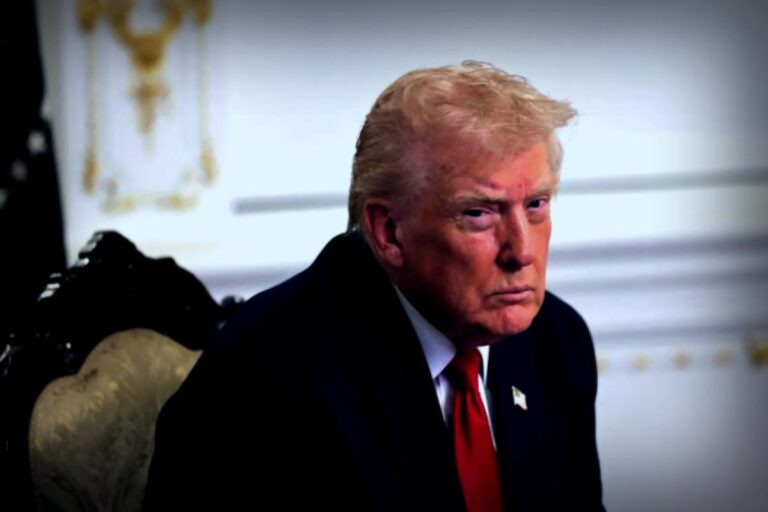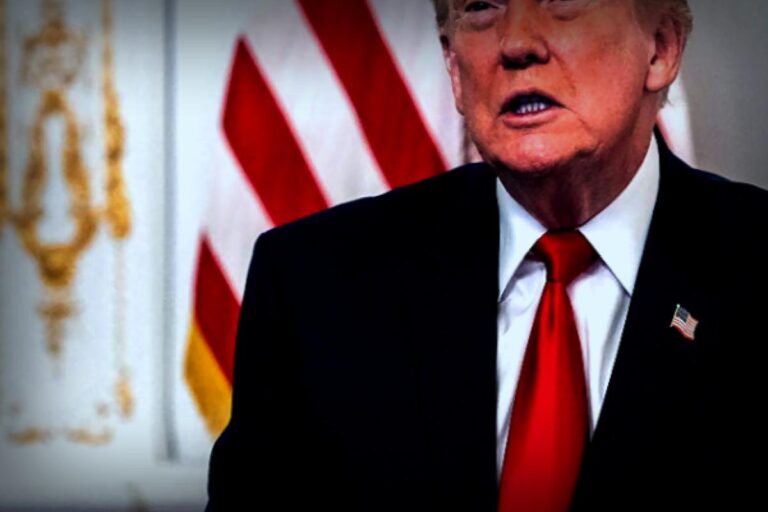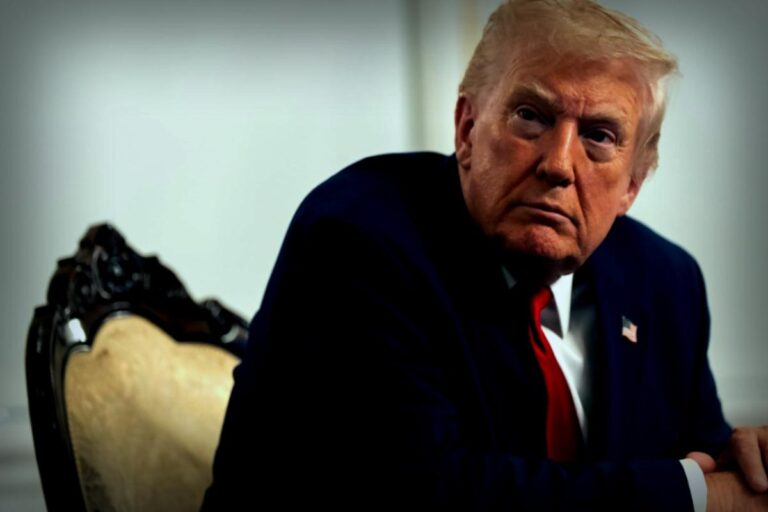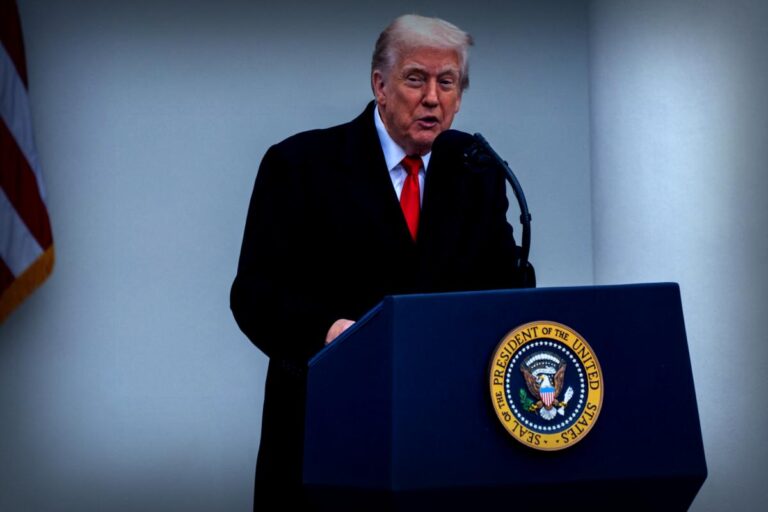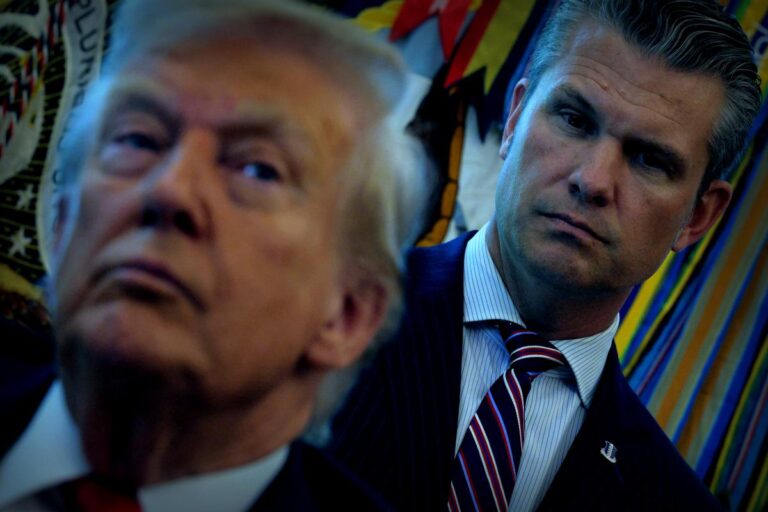

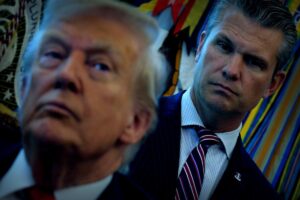
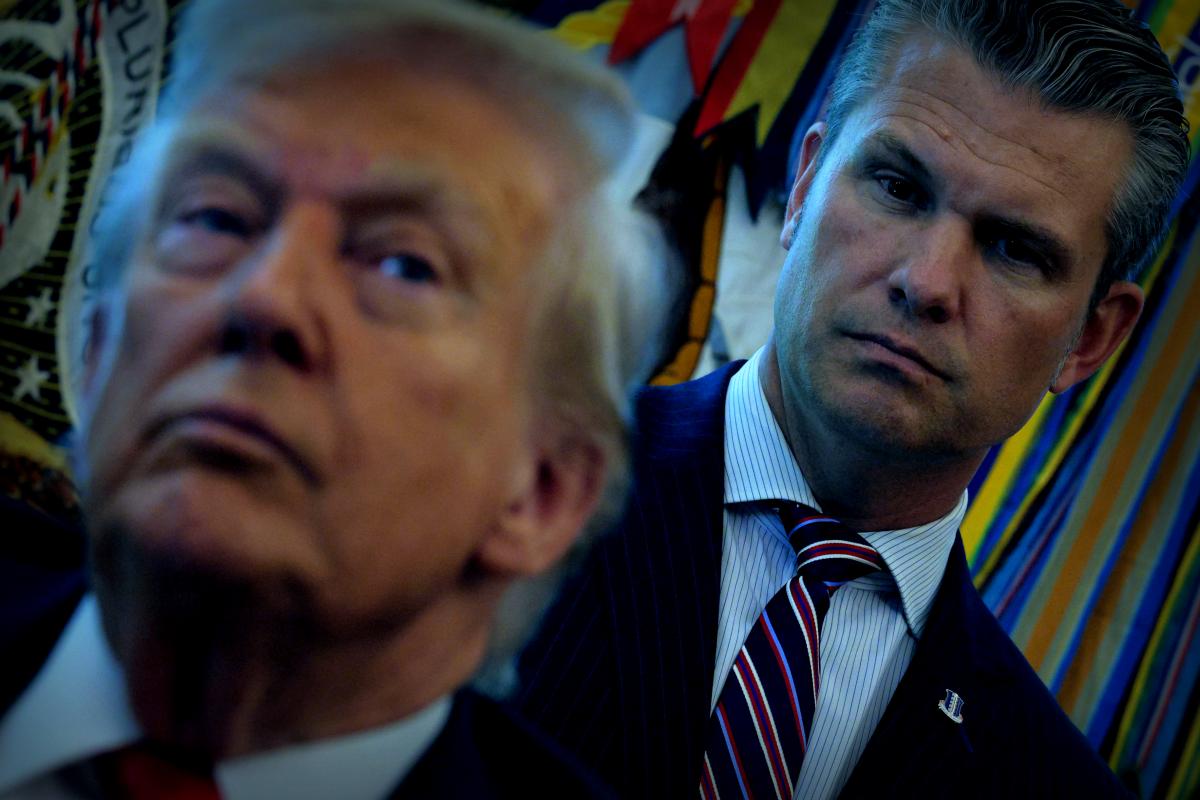
On Sunday, President Trump stated that he firmly believes that Defense Secretary Pete Hegseth did not issue any orders to eliminate all crew members on a boat suspected of drug smuggling in the Caribbean last September. Trump’s trust in Hegseth’s claims was clear as he asserted, “He did not say that, and I believe him 100 percent.”
This statement comes in light of a troubling event that occurred on September 2, marking the commencement of the Trump administration’s initiative against alleged drug traffickers in the region. A live drone feed showcased two survivors struggling to stay afloat after a missile strike on their boat, which was originally populated by 11 crew members, as reported by The Washington Post last Friday. Interestingly, sources familiar with the operation revealed that a second missile attack—which resulted in the deaths of these survivors—was ordered to comply with an alleged directive from Hegseth to ensure no one survived the engagement, with confidentiality surrounding their identities emphasized due to the sensitive nature of the situation. Trump stated he did not approve of the second strike, insisting, “I wouldn’t have wanted that. Not a second strike. The first strike was very lethal. It was fine.”
Following these revelations, Hegseth took to X to assert that these military strikes are intended to be “lethal, kinetic strikes,” and pointed out that every trafficker killed is linked to a Designated Terrorist Organization. Insisting on the legality of the operations, he dismissed criticism as “fake news.”
Moreover, Trump downplayed concerns regarding the ongoing military operations against boats in the Caribbean, praising the U.S. military for their performance. He proudly claimed that the volume of drugs flowing into the country by sea has dramatically decreased compared to previous months while speaking on Air Force One, en route back to Washington after spending Thanksgiving at his Mar-a-Lago Club.
While Trump links the strikes with fentanyl concerns, reports indicate that the primary illegal substances targeted have predominantly been cocaine, most aimed at destinations away from U.S. shores. The ethical implications of the operation raise alarms as more than 80 individuals have died due to the ongoing campaign.
In light of recent developments, members of Congress from both parties have started calling for inquiries into the September attacks. Republican chairman-led bodies in both the Senate and House plan on stepping up oversight of the Pentagon, alongside bipartisan sentiments from the Senate Armed Services Committee and the House Armed Services Committee aiming for a thorough understanding of what transpired during the operation.
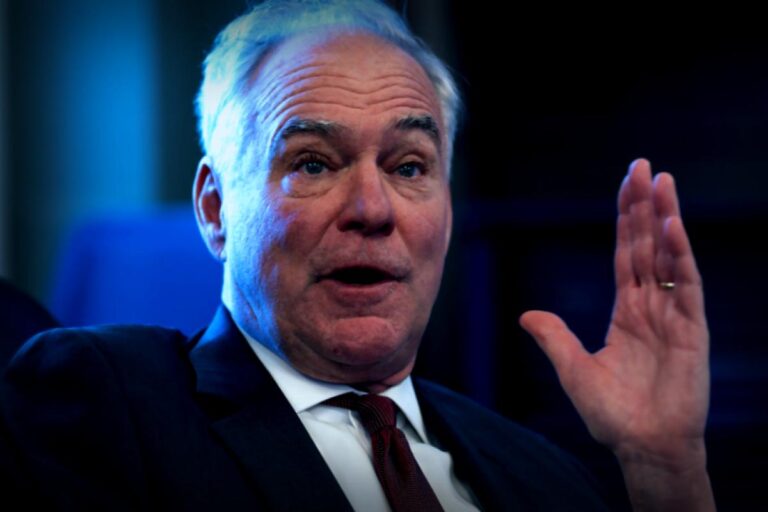
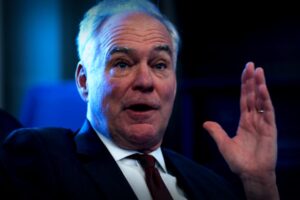
Senator Tim Kaine (D-Virginia) publicly indicated that if these reports hold weight, it constitutes a clear violation of the Department of Defense procedures and international laws about the treatment of individuals in such situations. He added, “And so this rises to the level of a war crime if it’s true.”
Rep. Michael R. Turner (R-Ohio) echoed this concern, asserting that if the allegations are indeed accurate, it symbolizes a significant legal breach. He also mentioned that the White House has yet to share specific information substantiating The Post’s report.
In response to these ongoing issues, in October, Senate Armed Services Committee leaders Roger Wicker (R-Mississippi) and Jack Reed (D-Rhode Island) made requests to the Pentagon for operational details, recordings, and legal justifications concerning the strikes. In a rather rare move, they emphasized concerns regarding the delay in receiving requested materials that could clarify Hegseth’s initial decisions from September.
Various current and former U.S. officials along with law-of-war experts are arguing that the Pentagon’s actions are illegitimate, potentially leading to prosecution of those involved, as the alleged traffickers did not pose an immediate threat to the U.S. and weren’t actively engaged in an armed conflict with the country.
As a closing remark, a coalition of former military legal experts, known as the Former JAGs Working Group, echoed the view that attacking unarmed individuals is strictly prohibited regardless of whether it’s armed conflict or military enforcement. They relayed that international law clearly prohibits targeting survivors and mandates the attacking forces to save, rescue, or classify them as prisoners of war if they meet the conditions. According to them, violations of these standards amount to war crimes or murder. There is simply no justification for these actions.
Report contributions by Ellen Nakashima, Aaron Schaffer, and Victoria Bisset.