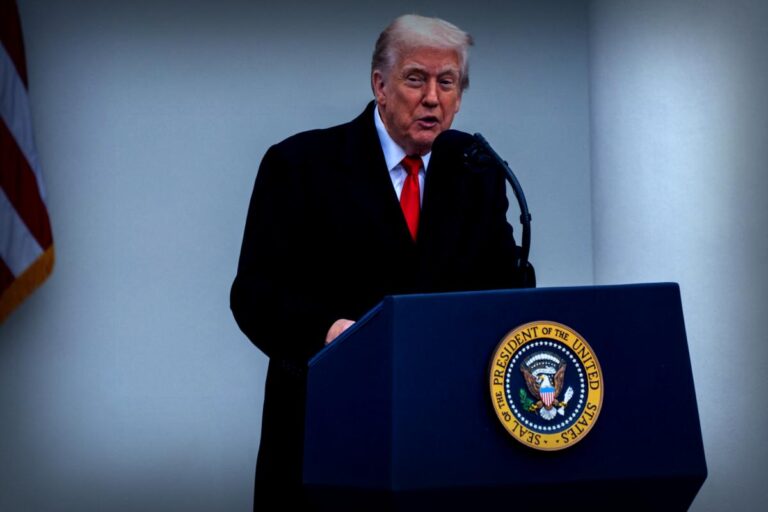

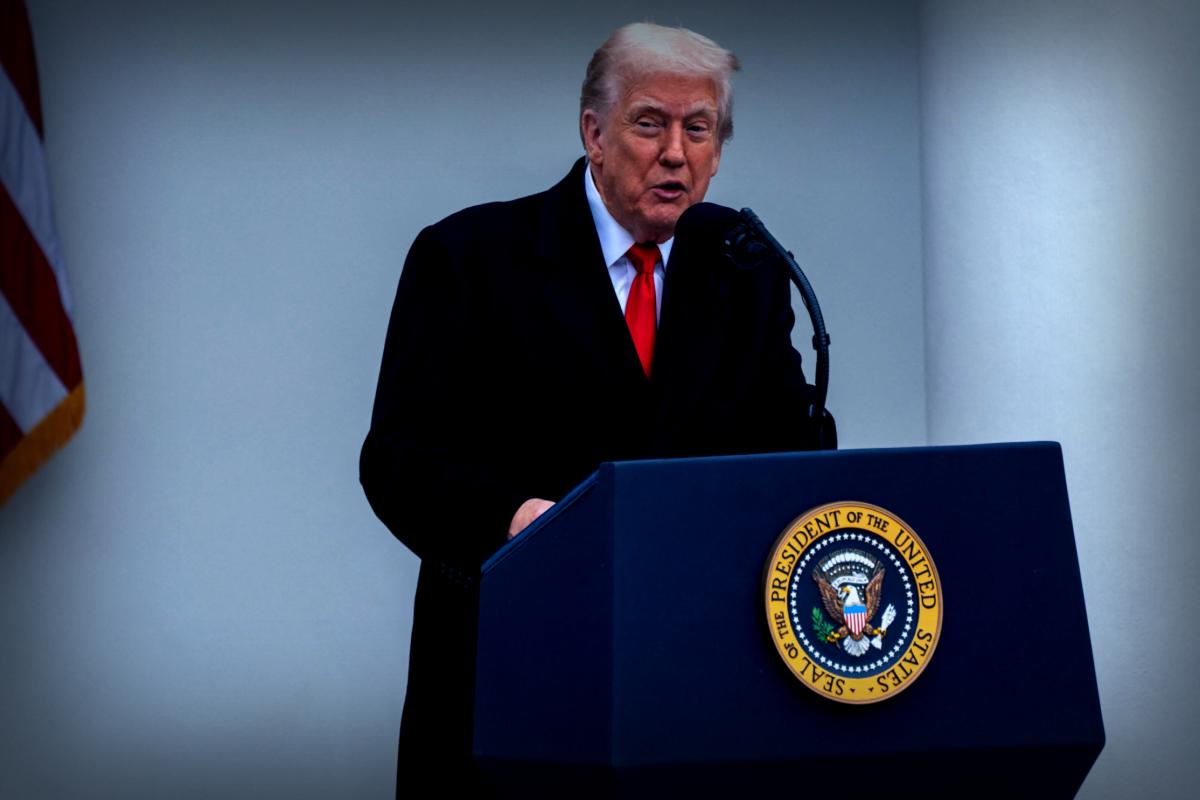
The Trump administration has taken a surprising step backward by revealing an executive order that removes tariffs on more than 100 food products. This move shows a clear shift from their earlier stance that these tariffs were critical for the strength of the U.S. economy.
Knewz.com reports that this change is one of the first major indicators that the tariff strategy has become a burden, both politically and economically.
A Turnaround with the Executive Order
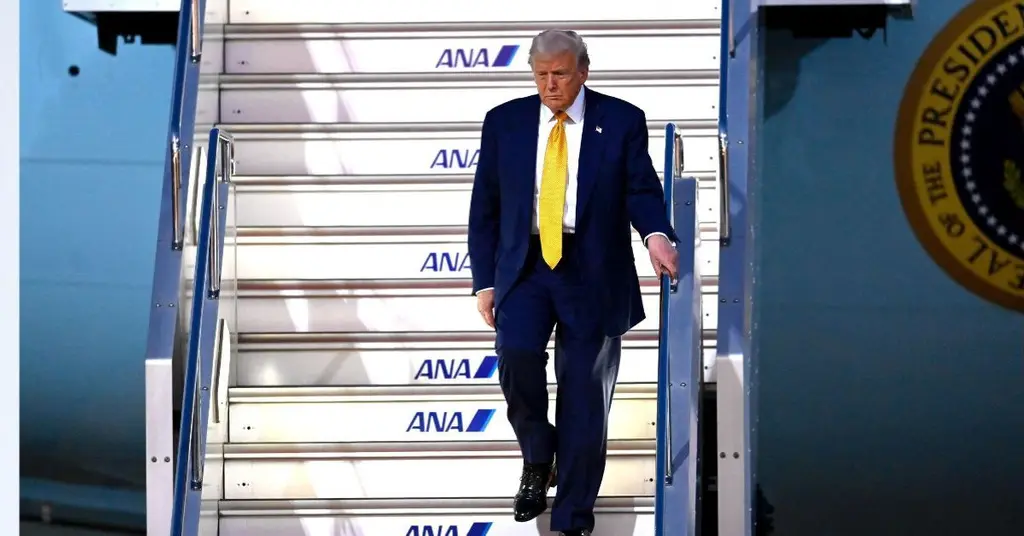
The order cites reasons such as domestic needs and ongoing trade negotiations as contributing factors for the reversal. This move goes against the administration’s past claims that forcing reciprocal tariffs was essential for American safety.
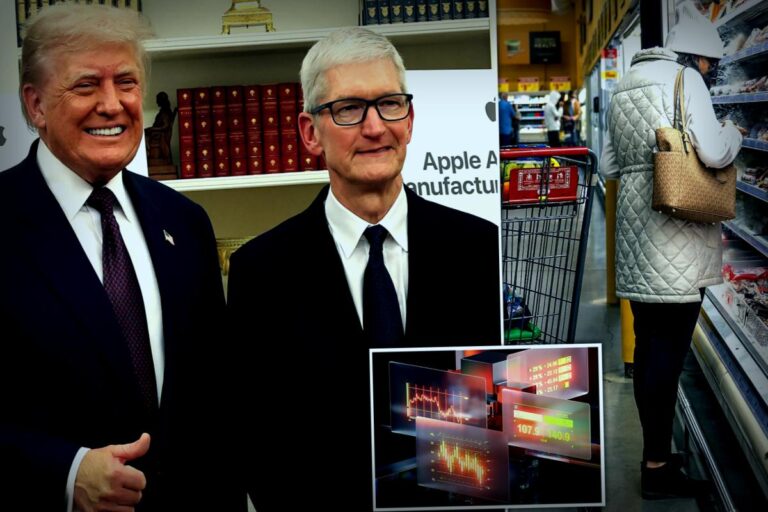
Included in these exemptions are common items like citrus fruits, beef, and coffee—all of which have seen their prices rise over the last year.
Earlier, Treasury Secretary Scott Bessent previewed this policy shift during an interview on Fox Business, hinting that the administration recognized the unsustainability of their tariff approach.
Moreover, internal polls showed by The New York Times indicate that voters are increasingly frustrated as grocery prices hit the highest averages in over a decade.
The Economic Pressure and Political Reactions
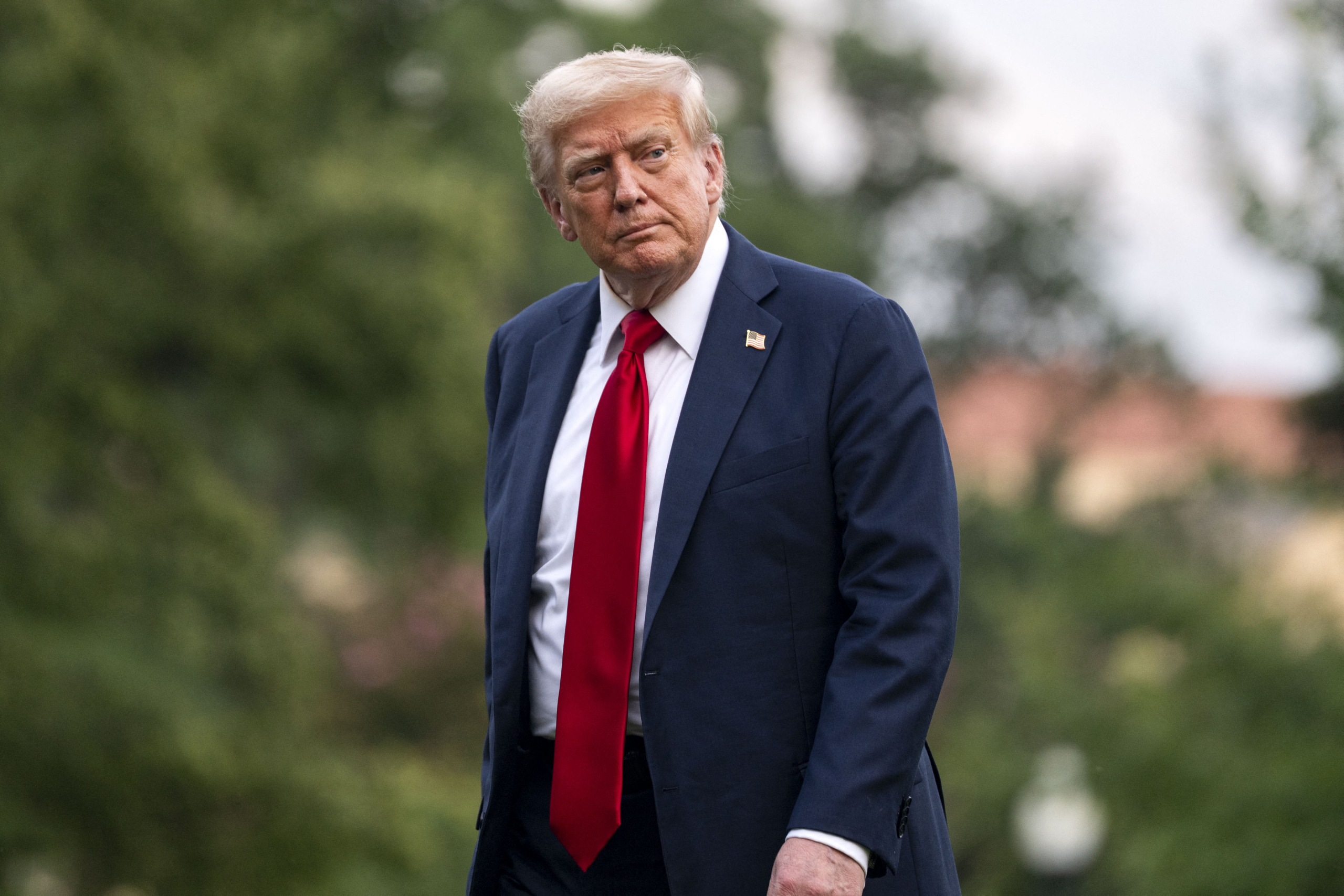
This reversal was sparked by months of demands from farmers’ groups and lawmakers in crucial swing states traditionally backing Trump.
As weekly grocery prices give insight into public sentiment, this policy change signals worries about how tariffs could sway voters in the upcoming 2026 midterm elections.
Interestingly, the White House opted not to call this a reversal. Instead, they referred to it as “targeted modifications,” which stands in stark contrast to the magnitude of the exemptions laid out in the order.
How Tariffs Shifted Global Trade Dynamics
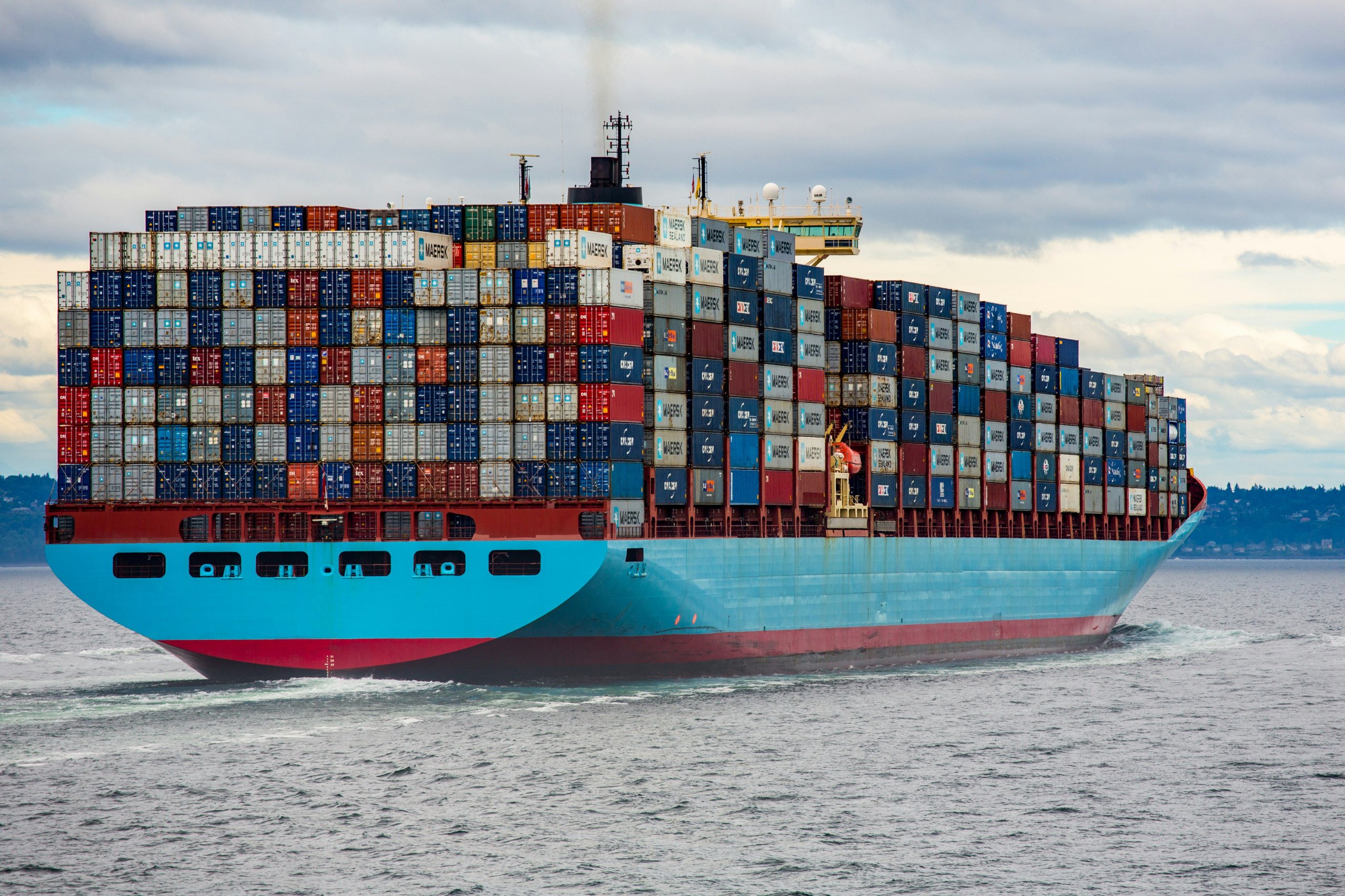
As the U.S. enforced tariffs, other nations began to reconfigure their trade networks.
Europe is making more deals with markets in Asia, while Latin America is boosting its agricultural trade with China.
These shifts have reduced U.S. leverage during negotiations and altered long-term global supply chains, something critics argue weakens the administration’s original trade ambitions.
Analysts view these policy changes as reactive, rather than strategic. One economist pointed out that it signals the repercussions of isolation without any real leverage.
Tariffs: A Core Element of Trump’s Policy
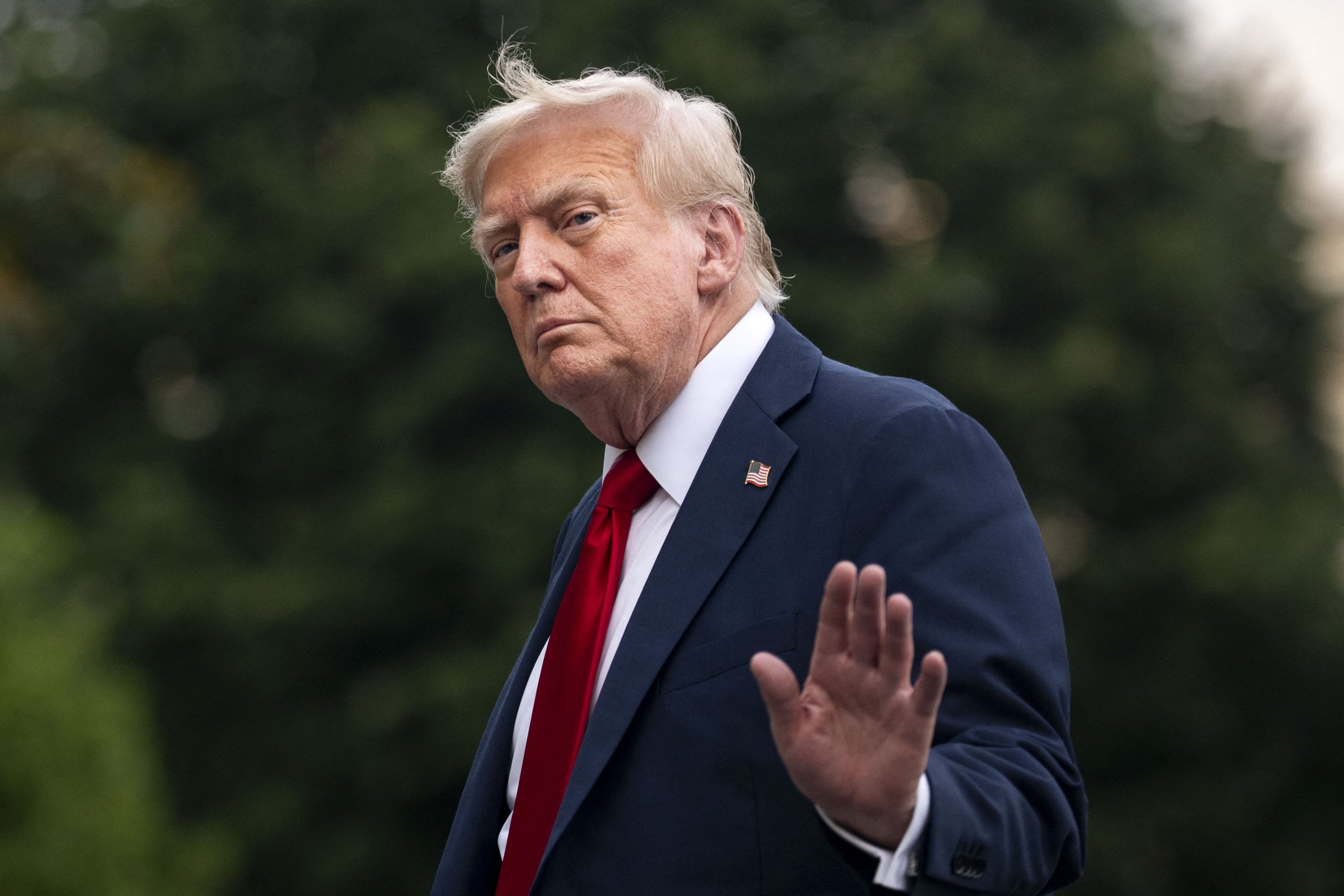
Historically, tariffs were integral to Trump’s belief that economic assertiveness displayed national strength.
However, as prices continue to rise and trading partners move forward without U.S. participation, the rationale for this strategy is crumbling.
This rollback stands out as one of the strongest indicators that the tariff approach has imposed internal strain and lost international ground.