



Image via Shutterstock
Exciting news emerges from Jackson—scientists at Brain Chemistry Labs have discovered something groundbreaking in their research on dolphin brains that could pave the way for a cure for Alzheimer’s. This exploration is particularly significant, and the findings are quite jaw-dropping!
Diving deep into Dolphin Brains
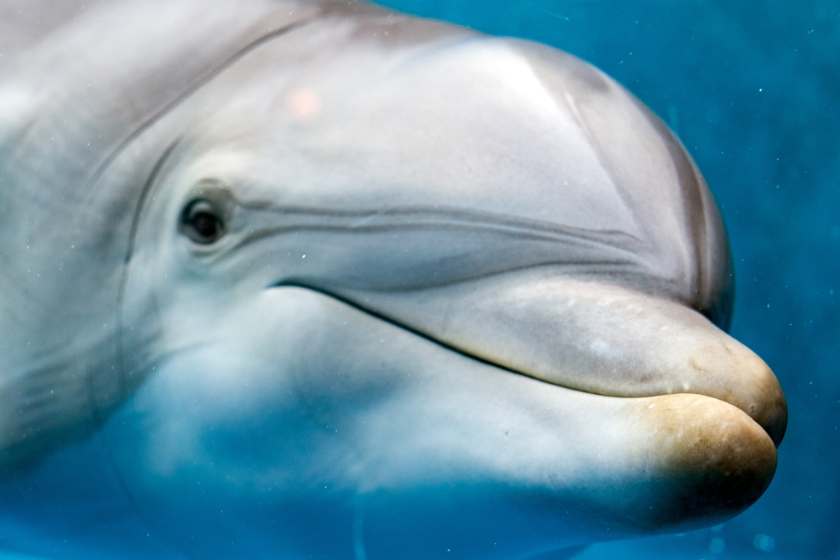
Recently, Cowboy State Daily highlighted the urgent study, triggered by a worrying trend of dolphin deaths near Florida’s coastline. Following the death of ten dolphins, their brains have been sent to a research facility in Jackson, Wyoming, to unlock the mystery behind their demise and hopefully draw connections to human health.
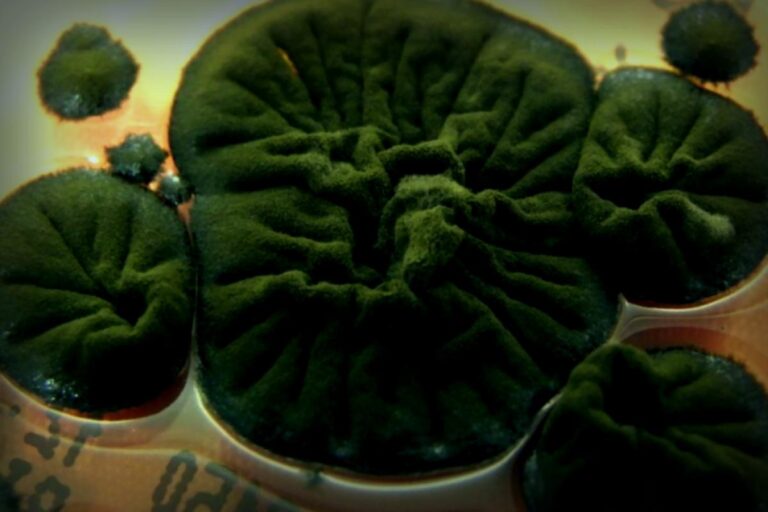
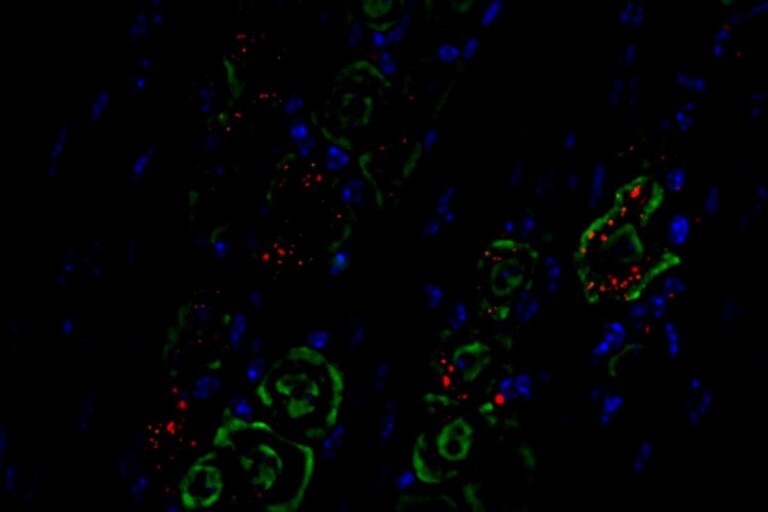
Their findings revealed a shocking connection: the study found a relationship between Alzheimer’s, toxic blue-green algae (cyanobacterial blooms), and the neurological health of dolphins. Those exposed to these harmful algal blooms exhibited clear signs of Alzheimer’s-like symptoms in their brains.
Connecting the Dots
While a dolphin’s brain structurally differs from that of a human’s, insights from these marine mammals are emerging as crucial. Executive director of Brain Chemistry Labs, Paul Alan Cox, stated that the most important takeaway is the link between toxic cyanobacteria and Alzheimer’s-like conditions seen in dolphins. These creatures are subjected to polluted environments that adversely affect their cognitive abilities.
Said Cox, “We were taken aback by how closely the affected dolphin brain tissue resembled human Alzheimer’s tissue. On a cellular level, they are nearly identical, showing disturbing similarities in structure.”
Importantly, the occurrence of these toxins is believed to reach humans as well. Cox noted, “The cyanobacterial toxins being released pose a significant risk, with our findings also indicating they can become aerosolized, which is worrying. However, this discovery provides a unique opportunity; by digging into these dolphin brains and their connections, we stand a chance at creating effective Alzheimer treatments.”
To sum up, while it may seem like a strange leap from dolphins to human health, the intricate world of marine life could hold the answers we desperately need in the fight against Alzheimer’s.
The post Breakthrough in Alzheimer’s Research: Dolphins’ Brains Hold Key appeared first on Wide Open Spaces.