


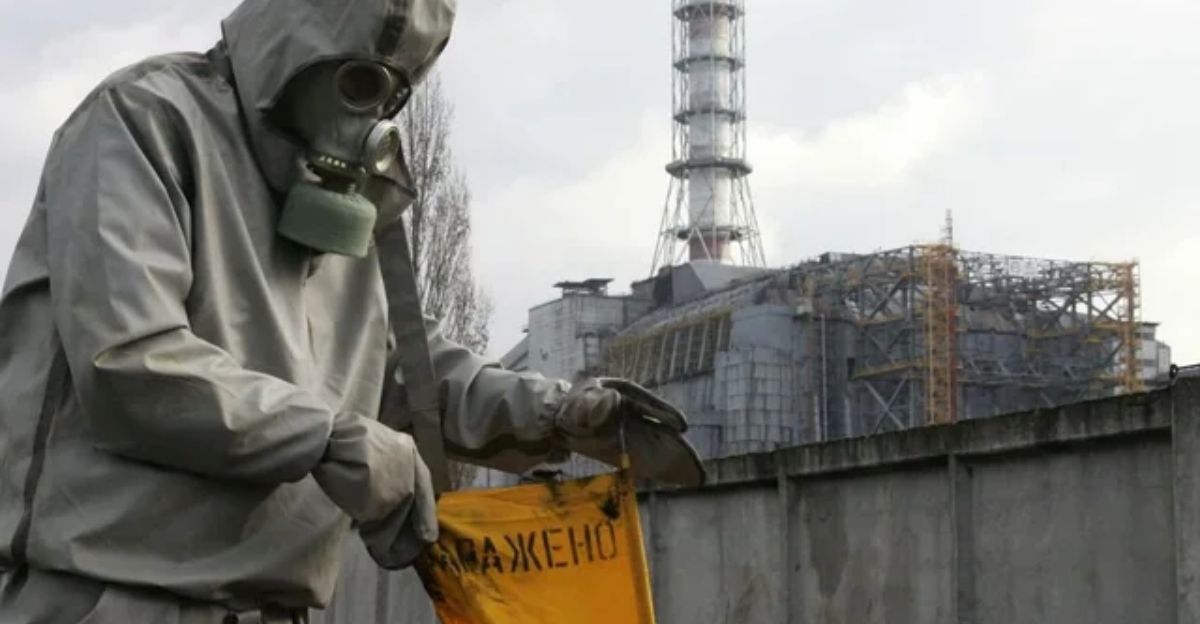
In 1986, a catastrophic explosion at Reactor 4 in Chernobyl led to the creation of one of the planet’s most toxic habitats. Long gone were the expectations of any living beings surviving in such a radioactive place, but fast forward a few decades and things took a surprising turn.
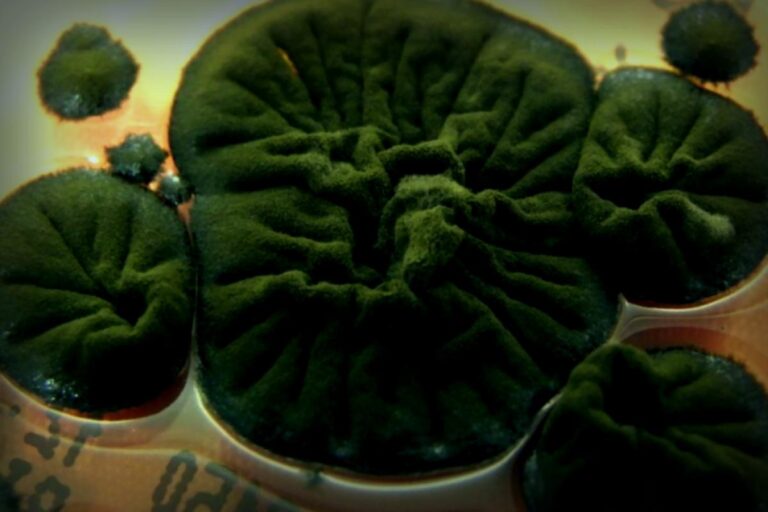
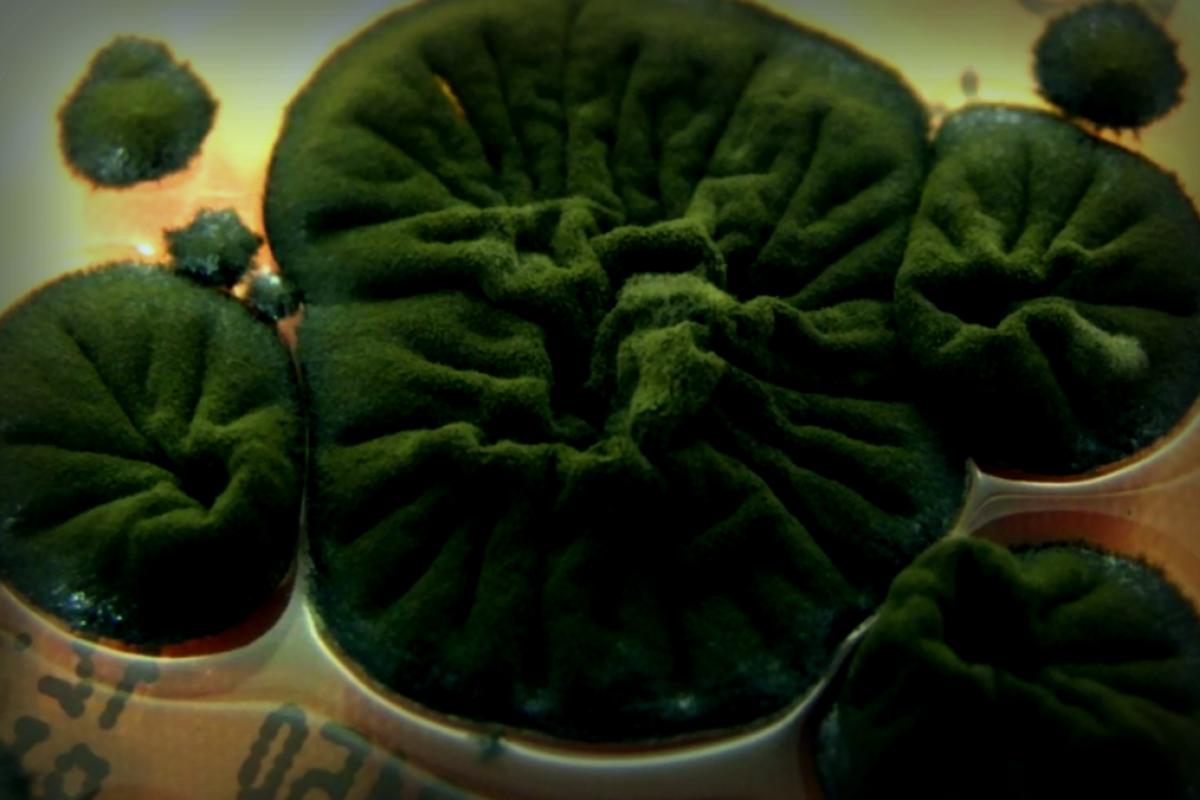
Fast forward to decades later, researchers uncovered something quite astonishing: a resilient fungus thriving among the radioactive debris. The fascinating discovery of this dark fungus alters our perception of survival in harsh conditions and sparks fresh ideas for safeguarding astronauts during space journeys and rehabilitating nuclear disaster zones.
The Chernobyl exclusion zone is infamous for its dangerous levels of radiation, which can prove fatal to humans in mere moments. While animals fled the area and plants perished, soil remained tainted for years. Biologists had assumed no signs of life would emerge from this zone. Yet, when scientists harvested samples from the reactor walls in 1997, they instead found an ecosystem flourishing amid despair.
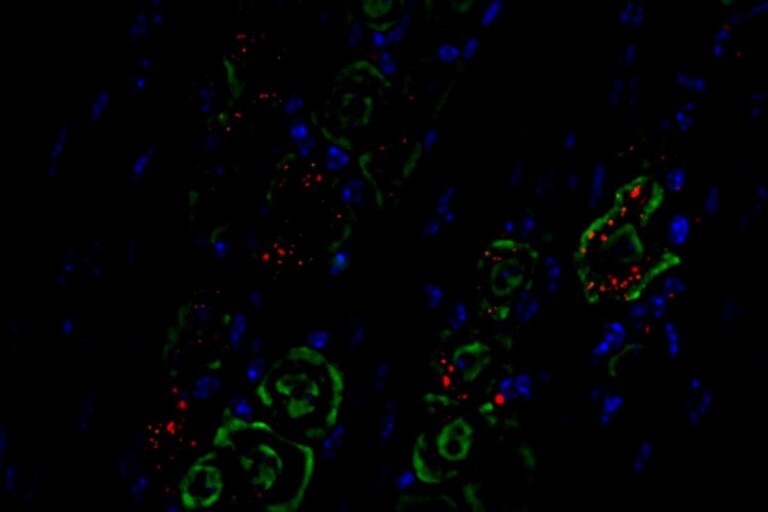
Ukrainian researcher Nelli Zhdanova spearheaded this groundbreaking expedition, identifying a staggering 37 unique species of fungi. Yet, one specific species stood out—the dark fungus named Cladosporium sphaerospermum, which prevailed in the most highly irradiated areas. This revelation ignited a wave of global scientific inquiries that continue to unveil new insights.
How Does This Fungus Grow in Radiation?
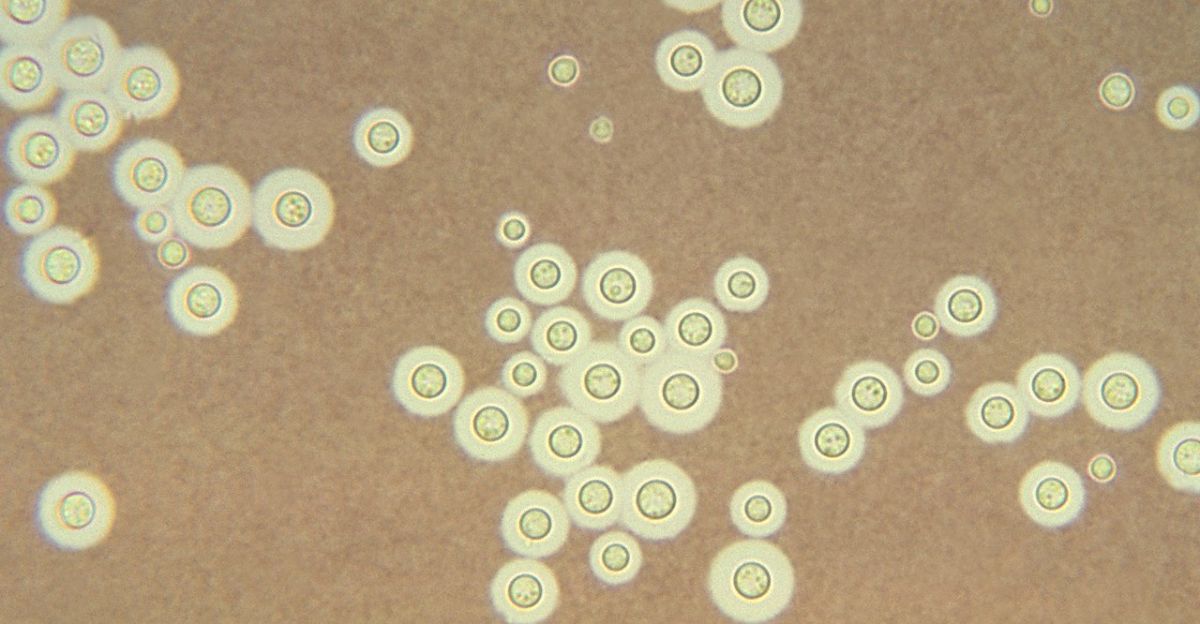
By the early 2000s, research shifted as scientists started noticing a notable discovery: the fungus was not only surviving but, bafflingly, grew even quicker when it was exposed to radiation. In 2007, groundbreaking results from researcher Ekaterina Dadachova erupted in the scientific community, showing what the fungus can do.
This fascinating microorganism exhibits a behavior called “radiotropism,” as it actively grows toward radiation sources. In comparative lab tests, it was shown that its mass increased at a higher rate when radiation was present versus when it wasn’t. This led researchers to propose an ambitious theory suggesting the fungus can perform a process d “radiosynthesis,” using radiation as an energy source similar to how plants utilize sunlight for photosynthesis.
Interestingly, the fungus infuses its cellular structures with melanin—the same pigment enabling skin color in humans and protection from ultraviolet radiation. When radiation interacts with melanin, it triggers a captivating reaction, stirring the electronic properties and transforming the radiation into chemical energy that drives the fungus’s growth and reproduction.
Nevertheless, experts caution that the entire chemical pathway remains somewhat of a mystery. While they explore if true radiosynthesis is happening, some scientists, like Nils Averesch, remain careful about conclusions. Unlike Deinococcus radiodurans, a microbe that astonishingly withstands more extreme radiation, this fungus requires a steady low radiation dose and perishes swiftly under high exposure.
Potential Applications in Space and Cleanup Efforts
In a bold move in 2018, researchers dispatched fungus samples to the International Space Station. Here, they hypothesized it would tap into the radiation encountered far above Earth’s protective magnetic shield—about 150 times stronger than what we endure on Earth. After sitting in space for just 30 days, not only did this hardy fungus survive, but it outpaced Earth controls by growing an impressive 21% faster. It even managed to block roughly 2.4% of incoming radiation!
These eye-opening outcomes caught the attention of scientists at NASA and the European Space Agency grappling with a serious issue: astronauts on prolonged missions will face unprecedented radiation exposure. Researchers are pondering two excitements: whether they could extract this melanin from the fungus to form scavenging materials or potentially maintain the fungus onboard as live barriers against radiation.
There’s a tantalizing thought that this same fungus might fast-track radioactive degradation approaches in sites like Chernobyl and Fukushima, bringing a safer alternative to the current messy cleanup methods.
Pioneering studies are establishing genetic techniques to identify the traits that enable this fungus to withstand radiation. Global collaboration is advancing, as biotech companies explore the use of melanin for protective paints and medical shielding. Agri-scientists are now looking into whether this fungus could be the secret ingredient to cultivating crops resilient to radiation.
This resilient Chernobyl fungus gives a fresh perspective on ecosystems formerly dismissed as wastelands, opening tunnels to potential natural solutions to some of humanity’s greatest challenges. From astronaut safety in space adventures to rectifying the consequences of nuclear catastrophes, this magnificent organism holds the promise of discovery well beyond the void of the Exclusion Zone.