


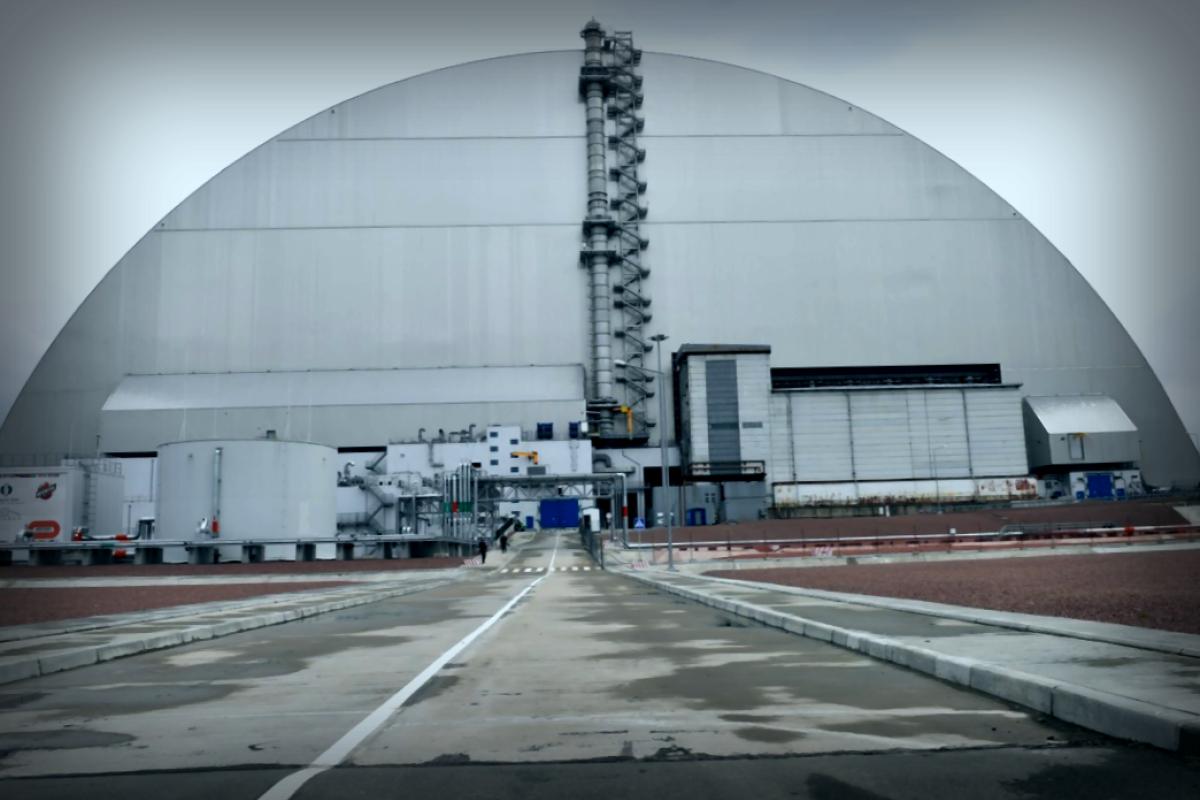
The radiation shield that protects the Chernobyl disaster site in Ukraine has been seriously compromised following a drone strike, as reported by the United Nations’ nuclear regulator.
Importance of the Issue
Back in February, Ukraine claimed that a Russian drone attack impacted the protective structure at Chernobyl, the disaster scene of 1986 where the worst nuclear meltdown in history occurred. As highlighted by President Volodymyr Zelensky, firefighters promptly managed to extinguish the blaze initiated by this strike. Meanwhile, Russia denied any intention of hitting the site.
The catastrophic explosion in Reactor 4 at the nuclear power plant then known as Soviet Union killed at least 30 people and resulted in millions being exposed to harmful radiation.
Crucial Insights
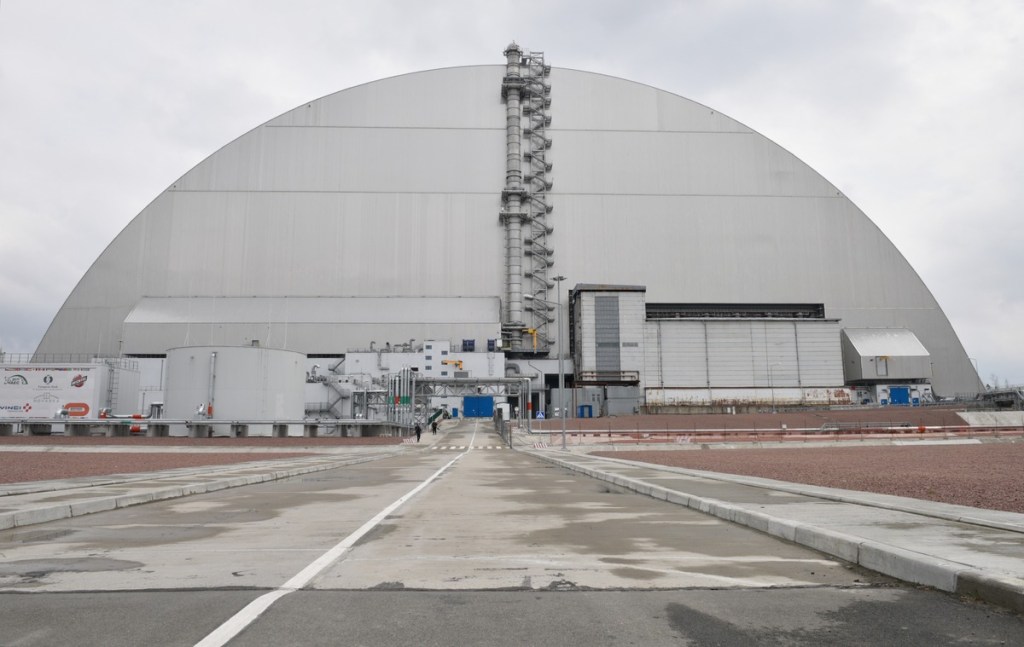
The recent drone strike has caused significant damage to the New Safe Confinement (NSC) structure that encases the reactor, leading the International Atomic Energy Agency (IAEA) to state that it has ‘lost its primary safety functions, including the critical containment capabilities.’ Fortunately, other parts of the NSC like monitoring systems remained intact.
This NSC was built to take over from the hastily constructed Soviet-era sarcophagus, designed to provide protection for up to a century and is taller than the Statue of Liberty.
According to IAEA head Rafael Grossi, “Although there have been some temporary repairs to the roof, it’s crucial that complete and prompt restoration is undertaken to prevent further deterioration and to bolster long-term safety measures.”
The strike has reportedly led to a “major fire” affecting the external covering of the structure.
Additionally, the IAEA has dispatched experts across Ukraine from early to mid-December to inspect more than 10 electrical substations essential for the operation of nuclear power plants.
These substations play a pivotal role in ensuring that nuclear facilities function securely and continue to produce power for the country.
With winter unyielding, Russia continues to target Ukraine’s energy sector with renewed vigor. On Sunday, Ukraine’s Energy Ministry reported strikes on energy facilities in areas like central Poltava and Chernihiv, which is located north of Kyiv, over the previous night.
The state emergency service of Ukraine characterized the strikes in Poltava as a “massive combined attack” on industrial and energy infrastructure, ensuing in one casualty in Chernihiv.
As reported on Saturday, these ongoing assaults have compelled nuclear plants to scale back power production capacity. The IAEA noted on Saturday that over the weekend, the Zaporizhzhia nuclear power plant in southeastern Ukraine experienced a total power loss for the 11th time since the onset of the full-scale conflict in February 2022.
By this point, the site has remained under Russian control since the very beginning of the conflict.
Feedback from Officials
IAEA chief Rafael Grossi confirmed on Friday that his agency has a permanent team stationed at Chernobyl, and they intend to do all they can to ensure the restoration of safety and security protocols at the site.
Looking Ahead
Repair work is slated for next year, with plans to fully restore the area once the conflict in Eastern Europe comes to an end, according to IAEA announcements.