


NASA is collaborating with private firms to create cutting-edge Moon rovers intended to shuttle astronauts across the lunar landscape during the Artemis missions. These robust vehicles aim to extend the journey distances for astronauts, enhance scientific exploration, and lay the groundwork for adventures to Mars down the line.
Introducing Next-Gen Moon Rovers
The Artemis program is a hallmark initiative by NASA, focused on sending humans back to the Moon. This includes making history by landing the first woman and the first person of color on its surface, while exploring the generally ignored south pole for extended durations rather than just brief trips. To accomplish this vision, astronauts will require durable and reliable vehicles, known as Lunar Terrain Vehicles (LTVs), which can transport both payloads and personnel across challenging lunar terrains.
For a significant difference from the smaller rovers of the Apollo missions, these new Moon rovers are engineered for longevity and can support multiple astronaut crews. They will facilitate access to remote or treacherous lunar areas, allowing for a wider range of scientific studies and potential future settlements.
Funding the Rover Initiative

Rather than just commissioning a single custom-built rover, NASA has adopted a strategy akin to hiring long-term transport services through private contracts. Their initiative, the Lunar Terrain Vehicle Services contract, has a budget of about $4.6 billion, allowing them to efficiently allocate resources across numerous missions spanning many years.
With this approach, NASA targets services for specific missions, paying for duration and operational performance instead of financing the creation of new hardware for each mission. This funding model mirrors how NASA collaborates with companies like SpaceX and Boeing to transport cargo and astronauts to the ISS, fitting into the broader vision of fostering a commercial space ecosystem.
Teams Competing for Rover Development
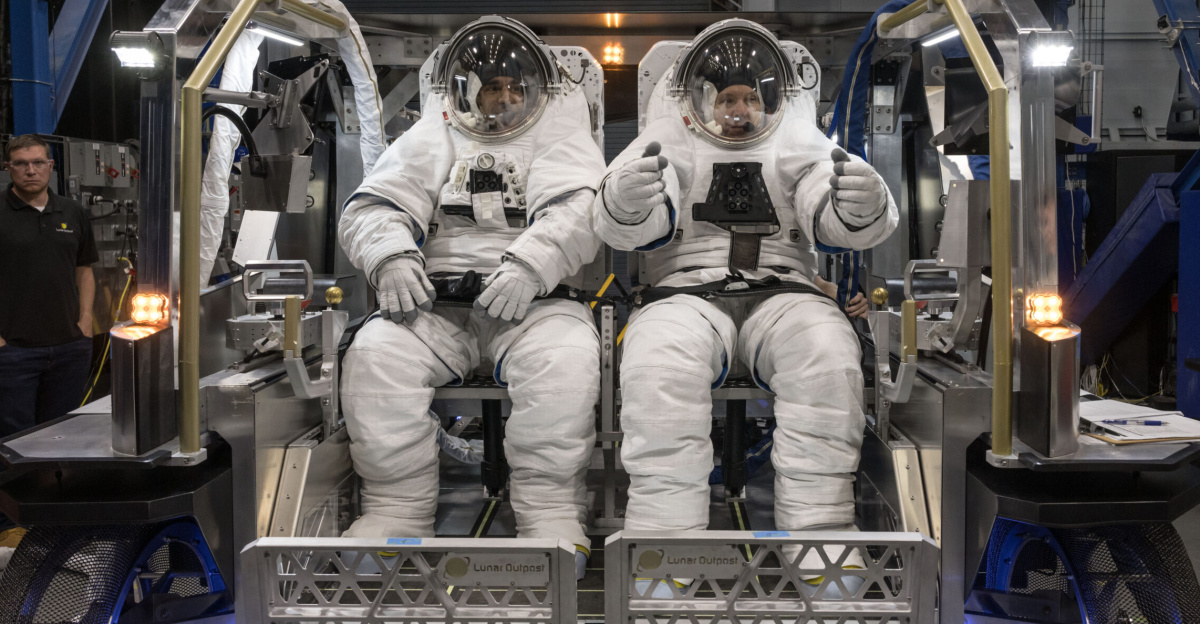
Three competitive teams from the U.S. are in the running to deliver these new lunar rovers. Each team is responsible for every step of the mission lifecycle, which includes designing the vehicle, coordinating a launch, ensuring safe lunar landings, and maintaining the rovers during operations. The teams competing for the spotlight are Intuitive Machines, Lunar Outpost, and Venturi Astrolab, all of which are hustling to create LTVs for Artemis testing and operational phases.
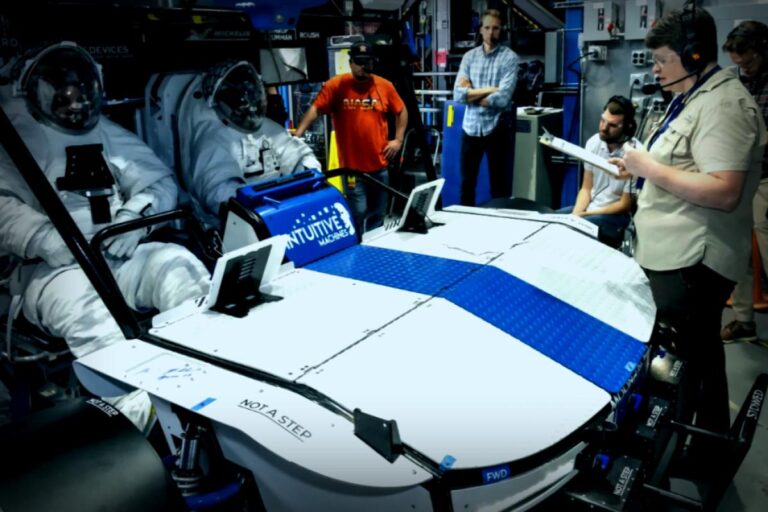
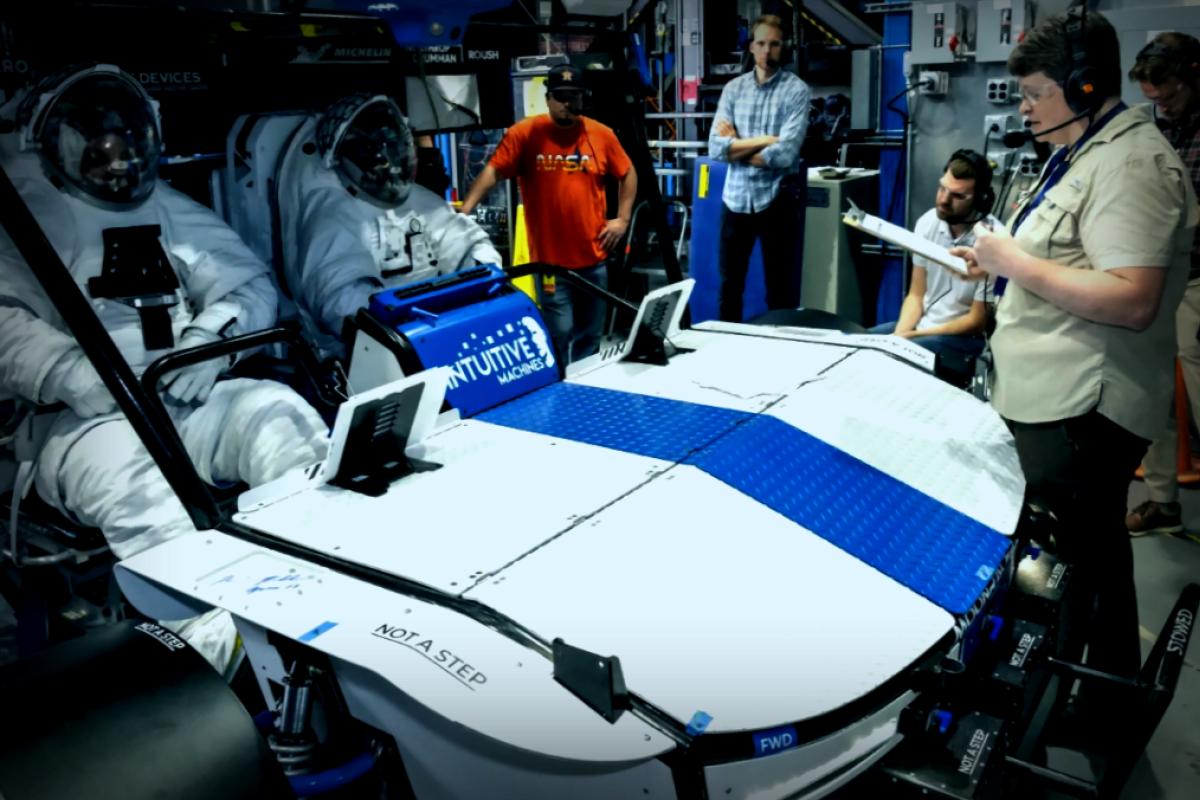
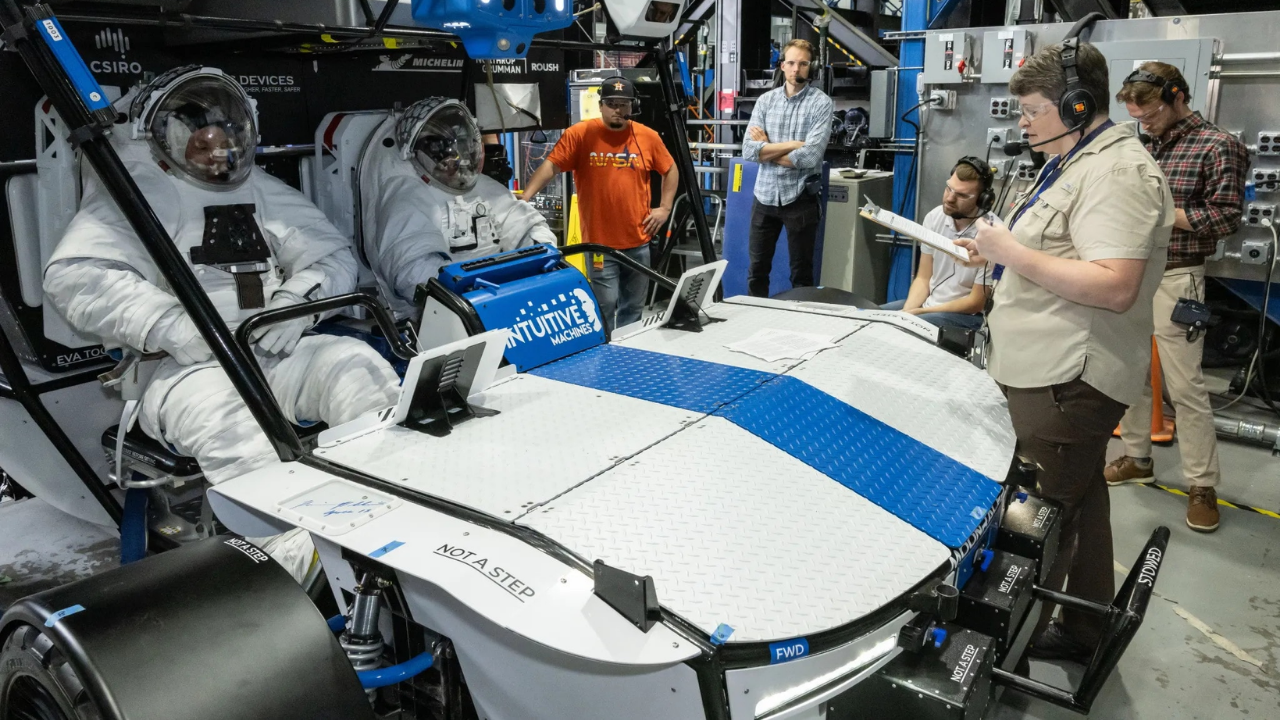
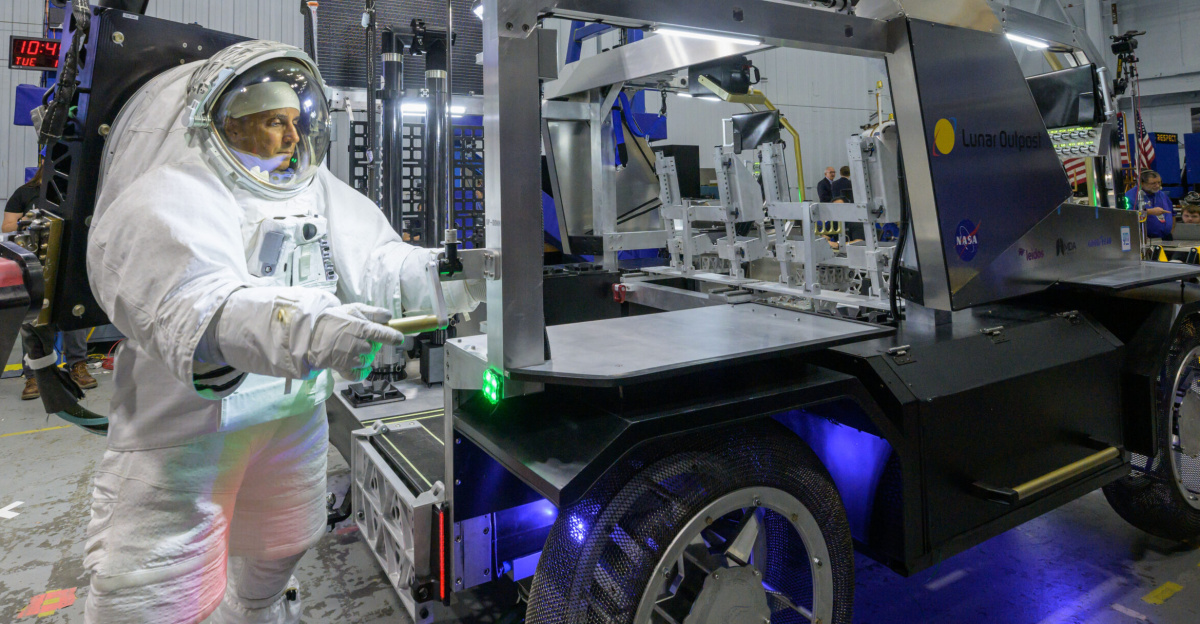
Lunar Outpost’s entry, Eagle, is envisioned as a versatile workhorse capable of transporting astronauts, moving gear, and supporting scientific tools—with collaboration from well-known partners like General Motors and Goodyear for vehicle and tire tech. Meanwhile, Intuitive Machines presents the Moon RACER, a reusable autonomous rover the size of a typical pickup truck, designed to carry two astronauts alongside hefty cargo, and even tow additional weight with a trailer for hefty transport across the lunar surface.
Thriving Under Tough Conditions
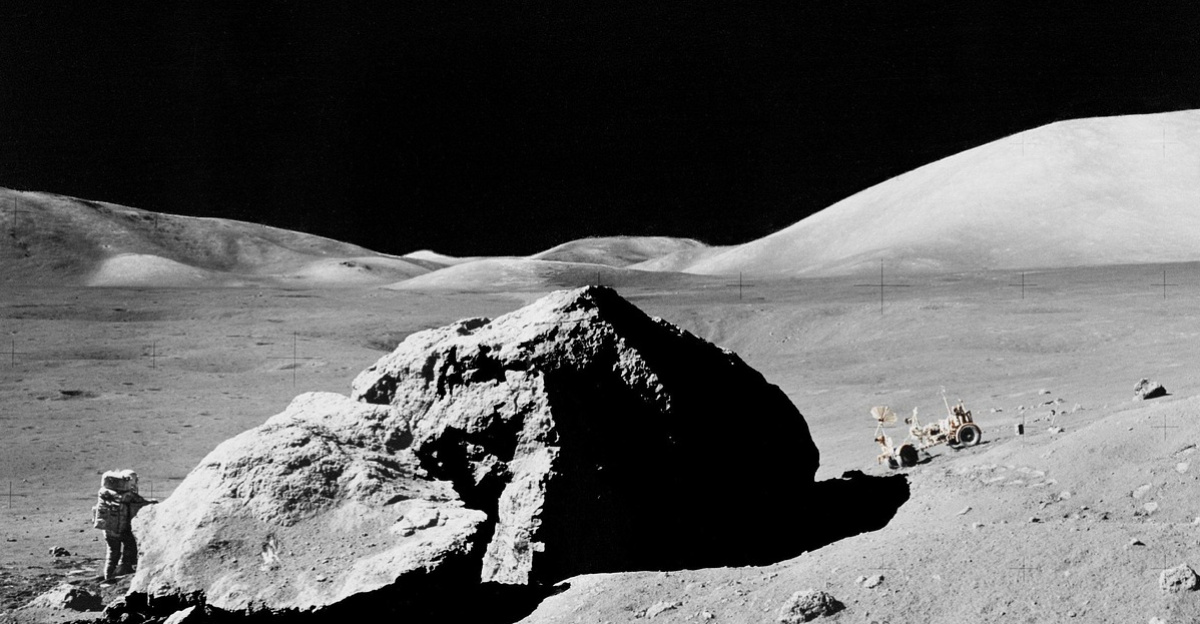
The Moon’s south pole proves to be a tough puzzle, featuring blindingly bright sunlit regions that sit adjacent to fiercely cold, shadowy zones, leading to drastic temperature fluctuations—up to several hundred degrees Fahrenheit—within short distances. Hence, these rovers must withstand extreme temperature changes, navigate treacherous rocky terrains, and effectively handle clingy lunar dust that may hamper their moving parts and traction.
To prepare for these challenges, the teams have built full-scale prototypes which are undergoing rigorous testing at NASA’s Johnson Space Center in Houston. Astronauts and engineers are piloting these mockups over simulated lunar landscapes, assessing comfort, visibility, controls, and functionality for loading tools and samples. Additionally, the vehicles must come equipped with advanced autonomous features using cutting-edge sensors, cameras, and navigation software to safely maneuver in reduced gravity, avoid obstacles, and complete some tasks autonomously, gradually enhancing the technology that will be crucial for human missions to Mars in the future.