

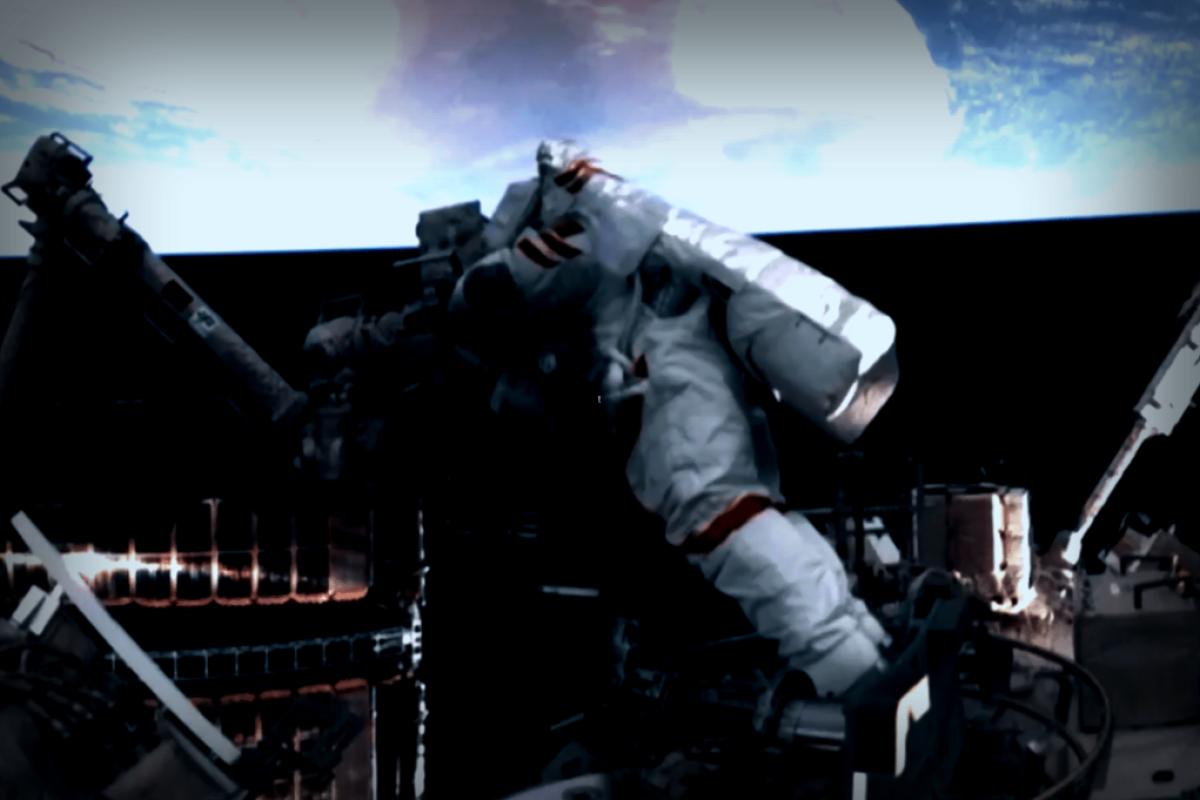
Chinese astronauts embarked on a recent spacewalk during the Shenzhou 21 mission, which shone a spotlight on the significant problem of space debris impacting spacecraft. The team, guided by Zhang Lu, stepped outside China’s Tiangong space station to evaluate damages inflicted on the Shenzhou 20 spacecraft after it was hit by space junk.
Unexpected Damage: The Shenzhou 20’s Cracked Windows
Back in April 2025, the Shenzhou 20 spacecraft arrived at China’s Tiangong space station for what was supposed to be a standard mission with three astronauts onboard. The plan was to stay six months before heading back to Earth. However, right before their homebound journey, the crew discovered alarming cracks in the windows. According to Chinese officials, these cracks resulted from a collision with space debris.
Reports from Space.com indicate that the impact has deemed the Shenzhou 20 capsule unfit for re-entry, compromising its ability to safely pass through Earth’s atmosphere. Consequently, the crew had to evacuate and made a safe return aboard Shenzhou 21, which had just touched down at Tiangong. This unexpected incident serves as a stark reminder of the dangers posed by space debris to vital mission equipment.
Spacewalk: A Critical Response to Space Junk Damage
As a reaction to the challenges faced by the Shenzhou 20, a crucial spacewalk was carried out by the astronauts of Shenzhou 21. This outing, led by commander Zhang Lu along with rookie Wu Fei and Zhang Hongzhang, marked a significant leap for China’s aspirations in outer space. Wu Fei particularly made a name for himself by becoming the youngest Chinese astronaut to conduct a spacewalk.
During this critical extravehicular activity (EVA), the astronauts had several crucial missions to tackle.
“They were proactive in their essential roles during this emergency, successfully completing important tasks such as inspecting and documenting the damaged windows of the Shenzhou 20 capsule, installing protective systems against space debris, and swapping out the multi-layered cover for the temperature control adapter,” shared the representatives from the China Manned Space Agency (CMSA) in an official statement.
This spacewalk played a dual role, not only assessing the damage but also bolstering the Tiangong station’s defense against space debris.
A Landmark Event: Wu Fei’s Spacewalk and Future Exploration
Wu Fei’s accomplishment is a significant milestone for China’s space program. His emergence as the youngest astronaut in the nation’s history to perform an EVA showcases the increasing influence of younger generations in boosting space exploration. Furthermore, this event served as a testament to China’s capability to prepare and dispatch astronauts for managing critical situations amid the complexities of outer space.
To the international space community, this accomplishment highlights China’s burgeoning prowess in the field. As the country gears up for more ambitious endeavors, astronauts like Wu Fei are poised to take on critical roles in future explorations, managing everything from emergencies to daily operations.
Boosting Space Debris Protection: An Essential Task
The mishap with the Shenzhou 20 also sparked an immediate reassessment of protective measures against space debris for the Tiangong station. During the same spacewalk, astronauts undertook essential upgrades to the debris shielding system of Tiangong. Given the rising amount of space junk orbiting our planet, this added layer of shielding plays a crucial role.
Implementing this debris shield is not merely a safety measure but a proactive strategy amidst the tangible threats posed by space junk. Experts agree that as more countries and private entities launch projects, enhancing debris reduction strategies will become even more crucial. The spacewalks executed by the Shenzhou 21 team are pioneering efforts in how astronauts can safeguard their vehicles from the risks of orbital trash.
What Comes Next After the Shenzhou 20 Incident?
Looking toward the future, Chinese space officials have plans to bring back the Shenzhou 20 spacecraft to Earth, but without a crew. Despite the damage, the capsule will be decommissioned in a secure manner, using insights gathered from this episode to inform the design and safety protocols for future spacecraft. At the same time, China is launching new missions, including the Shenzhou 22, which will be responsible for safely returning the Shenzhou 21 crew upon the completion of their mission.
This incident has also ignited discussions about the necessity for international collaboration to tackle the escalating issue of space debris. As space continues to swell, sharing data regarding debris tracking and tactics for minimization will be vital for the safety of future operations.