




It’s interesting to see how various generations handle life at home. If you take a look around, it’s clear that Boomers, with their cherished traditions, often act quite differently from the younger crowd when managing their living spaces.
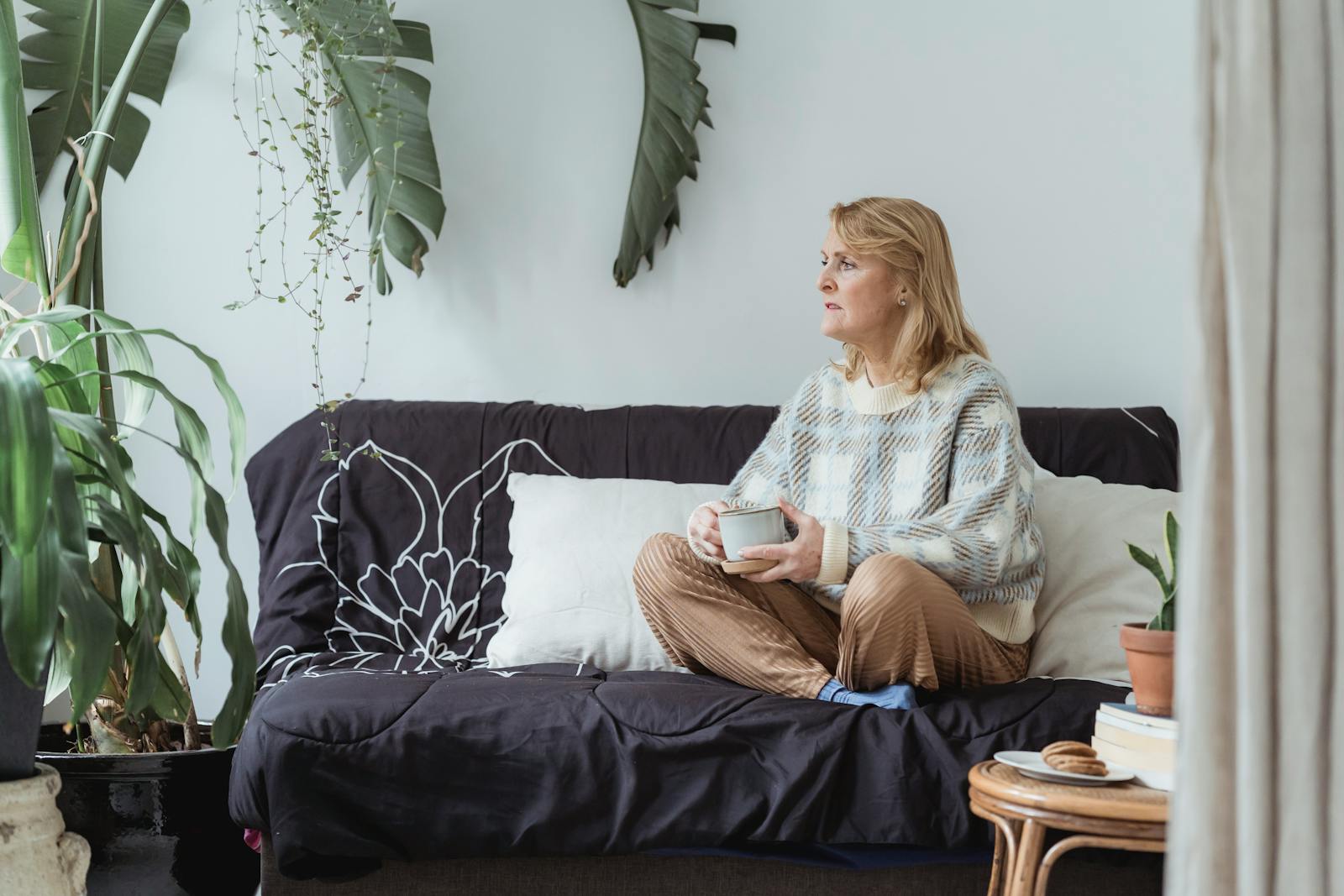
By examining the home habits that Boomers might not embrace like their younger counterparts, we can get insight into the evolving norms of home life. These contrasts make an impact on daily decisions and overall living experiences.
Less is More: Embracing Minimalist Decor
Modern-day aesthetics lean heavily towards minimalist designs, moving away from the grand, ornate furniture that was beloved by the Baby Boomer generation. Young adults appreciate clean lines and simplicity to create a serene environment.
Instead of cluttered rooms filled with countless collectibles, today’s homeowners often select just a few meaningful pieces that reflect their personal style. This minimalist touch can result in more spacious and tranquil homes.
Opting for lighter woods and steering clear of overly flashy designs helps capture that clean, modern vibe that many find inviting and relaxing.
Smart Tech: Voice-Controlled Living
Ever walked into a room and seen someone control the lights or set the thermostat just by talking? Younger generations are all about integrating smart home technology into their everyday lives.
Devices like voice-activated lights and digital thermostats streamline daily actions without the hassle of physical controls. It’s less about complicated setups and more about the ease of having functionality at your fingertips—literally.
If new to this kind of tech, it might seem unnecessary initially. However, once you experience adjusting your home settings simply by speaking, you might view your living space quite differently!
Open-Concept Layouts vs. Traditional Rooms
Have you noticed that many of today’s homes feature open floor plans? Rather than having several distinct, closed-off rooms, many people now prefer a layout where the kitchen, dining, and living areas flow into one another.
This open space encourages mingling and makes the environment feel larger. It’s ideal for social gatherings and keeping an eye on family activities while cooking or unwinding.
However, Boomers often value compartmentalized rooms for privacy and clear distinctions between activities. Yet, as lifestyle preferences shift, the demand for wide-open spaces continues to rise.
Streaming Over Cables: A New Media Landscape
It’s no surprise that younger folks are moving away from cable TV, swapping it out for subscription services like Netflix and Amazon Prime. For many Boomers, sticking to cable remains a comfortable and straightforward option.
Flipping through familiar channels might feel more controllable than navigating an array of apps and content. Plus, managing multiple streaming subscriptions can get overwhelming when you’re more accustomed to a single cable bill.
Still, an increasing number of Boomers are giving streaming a shot. They’re typically more thoughtful about their viewing habits, often blending cable and streaming rather than completely leaving traditional services behind.
Getting Eco-Friendly: Composting and Energy-Saving Habits
Younger generations are keen on composting organic waste, transforming it into nutrient-rich soil while reducing garbage headed for landfills. This movement not only benefits gardens but also contributes to lowering greenhouse gas emissions.
Energy efficiency is another strong focus. Utilizing energy-saving appliances or making simple switches like LED light bulbs can significantly curb electricity consumption. Little actions—like turning off the lights when leaving a room—can lead to meaningful changes in home energy use.