


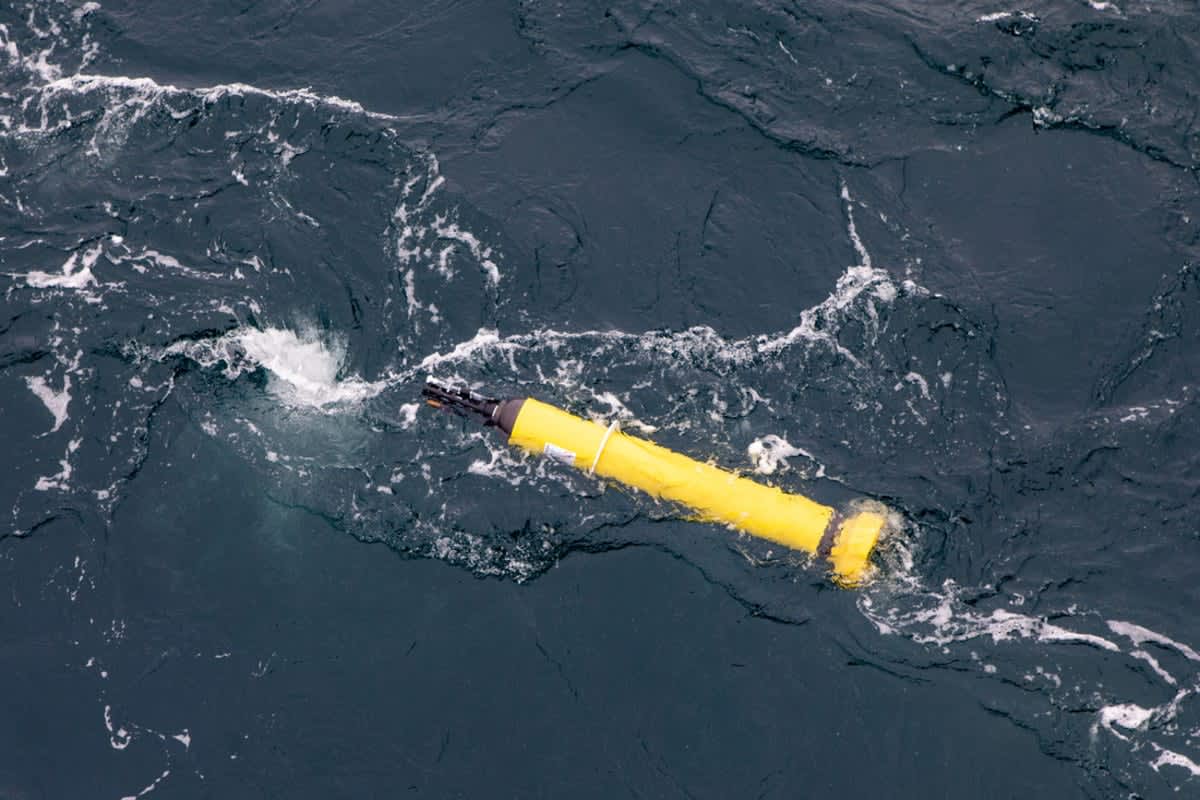
Recently, a small robotic float made a groundbreaking discovery about East Antarctica’s massive ice shelves, as detailed in a study published in Science Advances. This courageous little robot spent over two and a half years drifting beneath the ice, achieving what no ship or human could do before. Due to the extreme conditions in this remote part of the world, studying these ice shelves has been quite a challenge. The float successfully recorded around 200 ocean profiles, some of which were collected for the first time, all occurring below the Denman and Shackleton ice shelves.

The Marvel of Argo
The little robot’s name is Argo float, according to Interesting Engineering. It was equipped with sensors to monitor temperature and salinity levels while surfacing an area of 186 miles (300 kilometers) beneath both Denman and Shackleton ice shelves. The journey wasn’t always smooth, and at one point, the probe went missing, leading researchers to believe they’d lost it. But when it resurfaced, not only were they relieved, they were pleasantly surprised to obtain the very first ocean transect from beneath an East Antarctic ice shelf. “We got lucky,” shared Dr. Steve Rintoul from CSIRO. “Our brave little float spent eight months collecting data from the ice bottom to the seafloor, doing it every five days!”

Exploring Two Ice Shelves
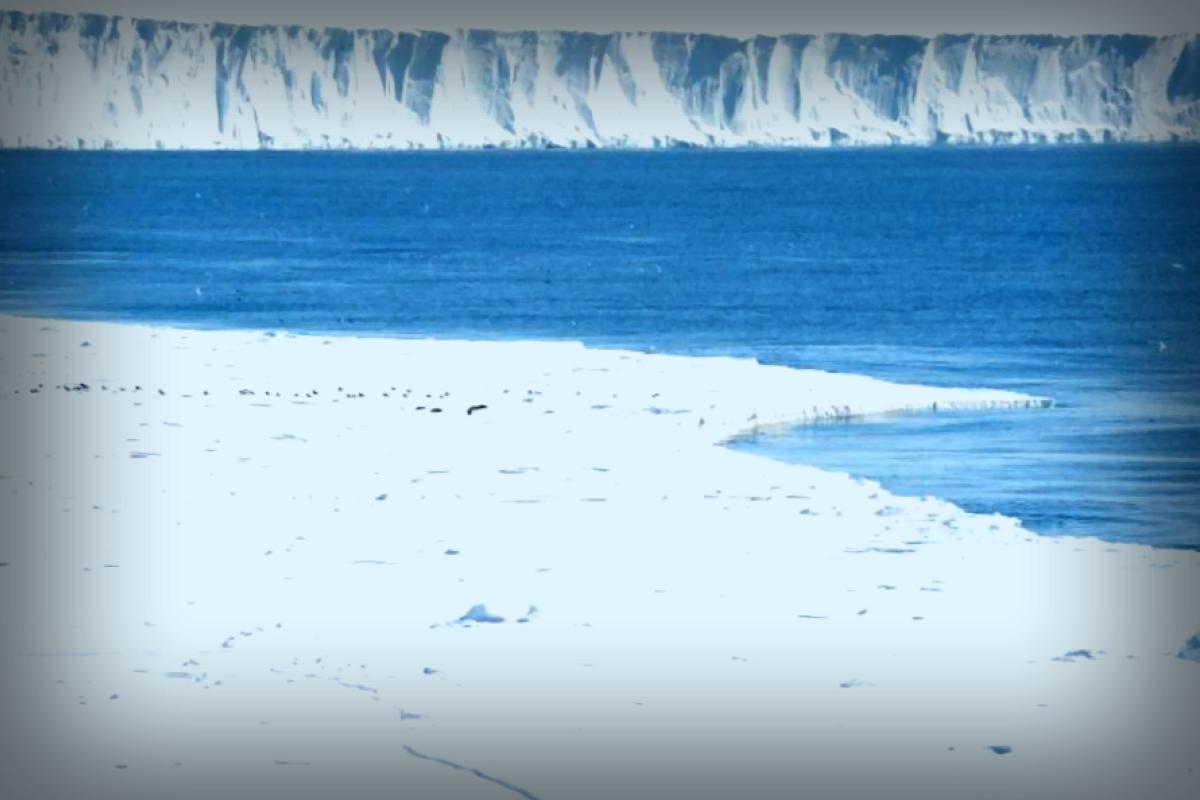
The areas visited by the Argo float are uncharted territory for researchers, as stated by CSIRO. They received brand-new temperature and salinity readings from these unexplored spots, leading to groundbreaking discoveries about the precarious state of the Denman and Shackleton ice shelves. Interestingly, the Shackleton shelf – the more northern of the two – appears to be relatively safe from the immediate effects of climate change; it hasn’t been hit by warm ocean currents yet, which are typically responsible for causing shelf melt. For now, it’s not at risk of melting and won’t contribute to rising ocean levels.
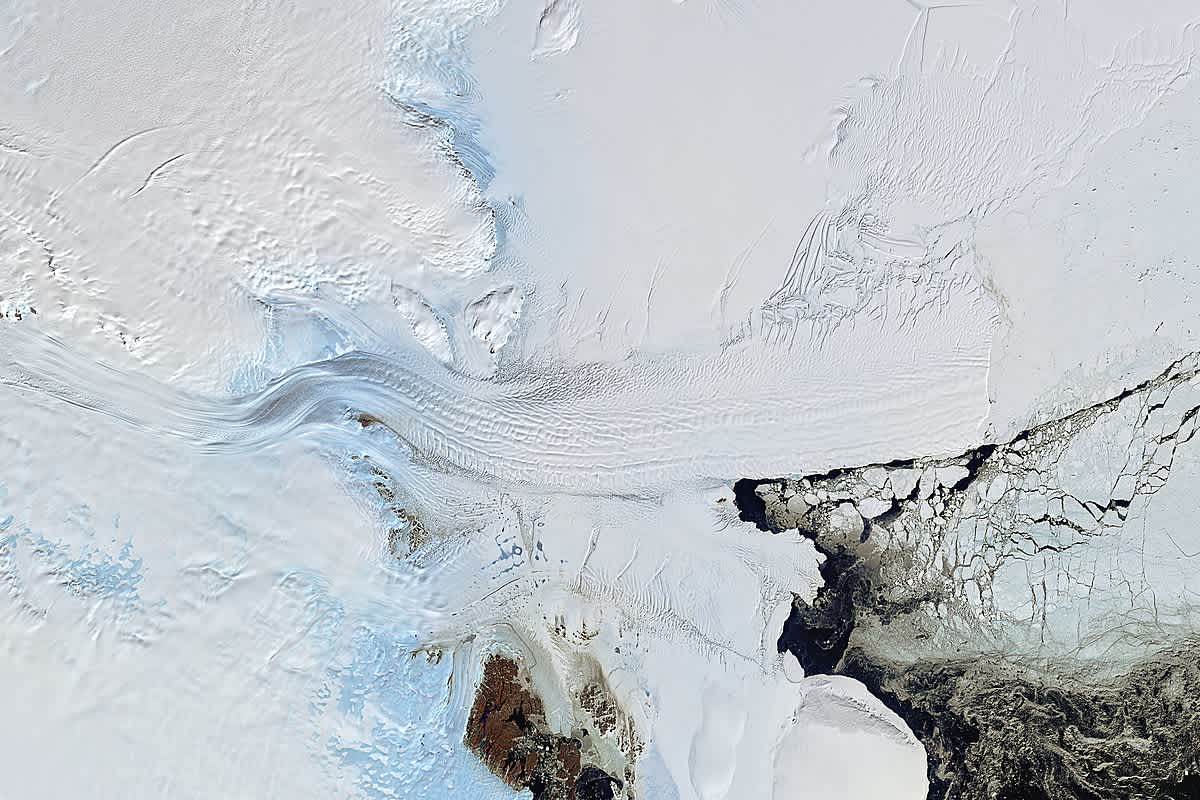
But the situation with Denman Glacier is complicated. Reports suggest that its melting has already pushed Antarctic Ocean levels up by about five feet. Warm water has actually made its way beneath the glacier, posing a risk of future melting, which could further exacerbate these water level changes. If this trend continues, we might see a rapid deterioration, which spells trouble for the entire ocean ecosystem.
The Value of New Data
Researchers emphasize that some readings generated by the float are beyond what current technology could achieve, especially regarding the analysis of crucial boundary layers within glaciers. These measurements assist in understanding the dynamics that influence how quickly ice melts. The aperature between the ocean and ice layers is vital as it shows how heat travels from the ocean to the ice. “The insights we gather from the float will refine the information in computer models, leading to better predictions of future sea level rises,” elucidated Rintoul. “Using more floats along the Antarctic shelves could greatly enhance our grasp of how ice shelves respond to ongoing oceanic changes.”
As researchers look forward to incorporating data from Argo and similar innovations, they aim for increased certainty regarding seawater level rises. Professor Delphine Lannuzel, who leads the Australian Antarctic Program Partnership, expressed her admiration for the robot’s results. “In the face of such raw wilderness, this tale of the industrious little float is truly inspiring,” she remarked. “Against all odds, this small device has provided us with a treasure trove of essential information.”