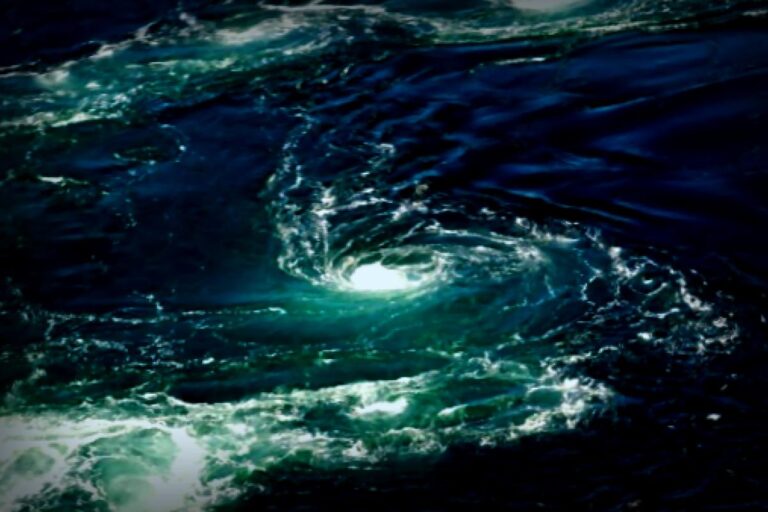



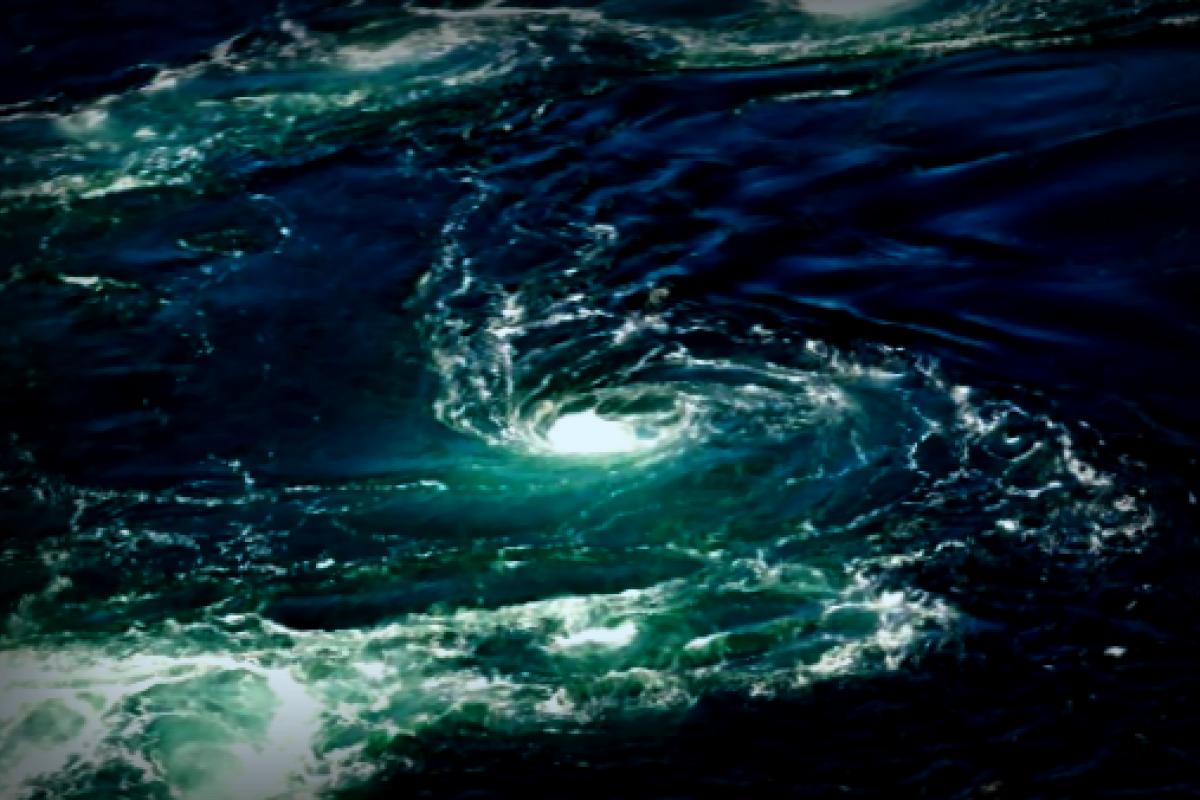
As global temperatures continue to rise, our oceans are feeling the heat. Recent studies have revealed that the warming waters are intensifying eddy currents — those swirling patterns of water that play a vital role in our oceanic ecosystems, as pointed out by The Conversation.
What’s Going On?
Generally, satellites can only deliver surface temperature readings, but scientists have stepped up their game. They now utilize long-term moorings — basically, buoys that dive deeper into the ocean — along with Argo floats, which are robotic gadgets that gather temperature data from depths between 200 to 1,000 meters, known as the “twilight zone.”
Over the past 30 years, researchers compiled about 2 million high-quality temperature profiles from oceans worldwide, which were recently detailed in the journal Nature.
This research helped uncover that the rising ocean temperatures are catalyzing stronger eddy currents, which can in turn lead to devastating marine heatwaves and sudden cold spells.
As noted by NASA, about 90% of the heat associated with global warming is captured by our oceans. The recent decade has been particularly concerning, being reported as the ocean’s warmest since at least the 1800s.
Eddy currents are colossal, sometimes alluding to their size through satellite imagery—they can span hundreds of kilometers and extend more than 1,000 meters deep.
Watch now: How detrimental is a gas stove for indoor air quality?
According to scientists, eddies are significantly influential in shaping factors like marine heatwaves and cold snaps. Crisis in ocean temperature can lead to dwindling oxygen levels and diminishing nutrients in water, threatening all forms of oceanic life.
The Conversation highlighted the urgency: “We must uncover the threats posed by these interplaying changes to twilight coastal life.”
Protecting Ocean Wildlife: What’s Being Done?
Thanks to the visibility of eddy currents from satellites, researchers are getting better at predicting deep cold spells and marine heatwaves. This allows for sufficient observation of species impacted by extreme conditions, enabling a thorough examination of the disruptions incurred.
Enhancing ocean conservation methods, focusing on innovative technology and effective government policies, is essential for safeguarding biodiversity and ensuring a safer future for both marine life and our planet.

Sign up for our free newsletter filled with positive news and helpful insights, and check out this great list on simple ways to benefit yourself while aiding in planetary health.
Researchers Raise Concerns Over Ocean Temperature Changes and Their Consequences first appeared on The Cool Down.