



(Bloomberg) — Recently, 24 prominent artificial intelligence firms joined forces with the federal government, signing up for the ‘Genesis Mission.’ This initiative, laid out by the Trump administration, is all about leveraging cutting-edge AI technology to advance scientific discovery and energy projects.
Major players like OpenAI, Microsoft, Nvidia, Amazon Web Services, and Google from Alphabet Inc. are either on board with memorandums of understanding or are involved in existing projects linked to the Energy Department or national labs, as indicated by a White House announcement.
Michael Kratsios, who heads the Office of Science and Technology Policy at the White House, shared his insight: “Utilizing best-in-class AI for scientific applications will dramatically boost productivity among American scientists and researchers.” He mentioned that the Genesis Mission aims to aid scientists in automating experimental design, expediting simulations, and generating forecasts, eventually leading to major advancements in areas like energy, manufacturing, and drug discovery.
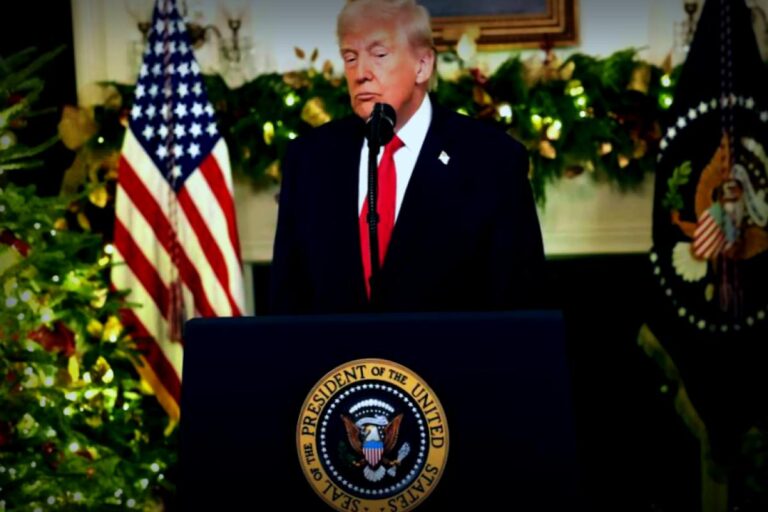
The launch of this mission came as President Donald Trump signed an executive order last month, with the goal of better aligning different agencies’ research efforts and effectively integrating AI tools to foster scientific breakthroughs.
According to Kratsios, this initiative will tap into the computational capabilities of the Energy Department’s national laboratories to utilize federal datasets, promoting more experiments driven by AI. He anticipates that the mission will significantly speed up the process of scientific discoveries.
However, officials acknowledge the challenges ahead, especially considering that developing AI technology depends on energy-intensive data centers. They are advocating for solutions to discover alternative energy sources and enhance the power grid.
During his re-election campaign, the president emphasized support for the AI industry by proposing policies to facilitate the establishment of AI infrastructures and spur technology development. Nevertheless, he also seeks to limit state-level regulations that he believes are overly burdensome. Critics of AI argue that state rules are crucial to tackle pressing issues such as biased content, deepfakes, and user safety risks, particularly since the federal government has been slow to implement regulations.
— Based on insights from Hadriana Lowenkron.