
The Providence Police and Brown University have recently raised alarms about the dangers of doxxing, which is the act of revealing someone’s private information online. This advisory emerged after an unfortunate incident where the FBI wrongly arrested an individual, allowing the true assailant to evade capture. This error spotlighted how crucial it is to thoroughly confirm details before they circulate publicly.
Since the FBI’s announcement of their botched arrest, concerns have been mounting not just in the broader community but also among social media users regarding who the real shooter might be and where they could potentially strike next.
In light of these troubling developments, some individuals have taken to social media to dig into the personal details of others, not fully grasping the risks tied to such actions. If the shooter perceives they are being tracked, individuals doing the investigating might face real danger.
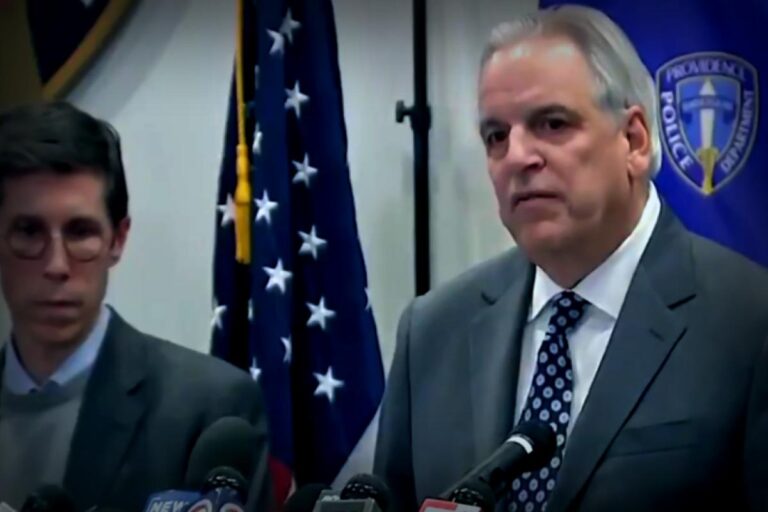
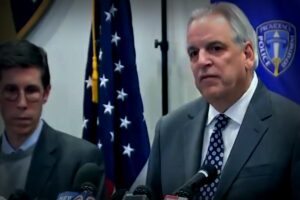
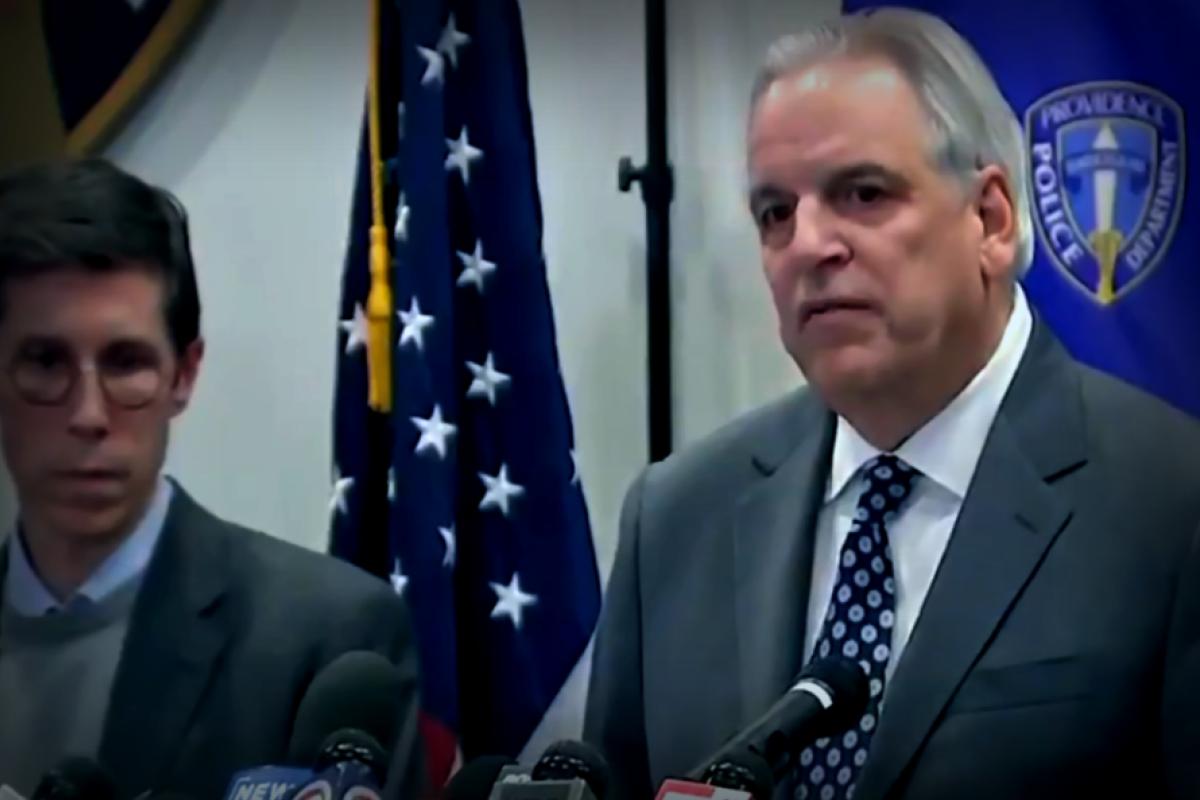
Mayor Brett Smiley, alongside the Rhode Island Attorney General Peter Nerhona, law enforcement officials, and representatives from Brown University, have jointly warned against the act of doxxing, instigated by reports that some students were searching for the potential identity of the suspect online.
Numerous theories online have gone so far as to suggest a connection between the shooter and an Ivy League institution, with reports indicating that the suspected individual removed various websites soon after the incident.
This surge in amateur investigations, particularly among students, led law enforcement to act decisively.
Brown University reiterated, “Targeting individuals could lead to irreversible damage.” They described the surfacing conspiracy theories and reports as “irresponsible,” pointing out that such behavior might jeopardize not just the individuals being scrutinized but everyone within the university community.
This stringent reminder from the university came right after a press conference where Attorney General Peter Nerhona advised the public, drawing attention to a new person of interest. He warned against doxxing and promised that any conspiratorial claims linking it to the case would be duly examined.
Stressing the potential hazards of online snooping, Nerhona noted, “There are plenty of reasons why a web page might disappear, especially when chatter is going around about sensitive comments made.”
He emphasized the risks of misinterpreting information shared online, voiced his concerns about doxxing, and urged the community to leave the intricate work of the investigation to professionals. He concluded by guiding everyone toward recent video footage of the updated person of interest.
Nerhona remarked, “What people can assist us with today is identifying this fella…” According to information provided by the FBI, the person the authorities are after is described as a tall man, standing about 5’8” and estimated to be in his mid-30s. The unexpectedly high reward of $50,000 has been announced to help motivate public assistance, either in identifying the suspect or ensuring his arrest.
We can only hope the FBI nails it this time, especially after last week’s outrage when the prior suspect was let go, stirring anxiety within Brown University and the larger Providence area. Many are now genuinely fearful about leaving their homes, anxious about their safety.