


The holiday season can feel like a wild ride, can’t it? With packed commutes and an overflowing calendar, the pressure really amps up in December.
It’s a race against time at work as you scramble to finish tasks before the holidays, while your evenings are taken over by shopping, socializing, and end-of-year tasks.
But hey, the sweetest part? You don’t just have to grit your teeth and bear the stress. What you put on your plate can actually help.
Our diets play a big role in how our bodies deal with stress. They can affect blood sugar levels, inflammation, sleep, and even how hungry we feel—all of which contribute to our mental and physical resilience during chaotic times.
When your schedule throws everything out of whack, with long workdays, poor sleep, and irregular meals, it can lead to energy crashes and mood swings, leaving you craving comfort food more than ever.
Studies reveal that when stress hits, people often skip meals or reach for sugary snacks, which just makes everything worse and can pile on the pounds over time.
So, what’s the takeaway? Food can be a big part of tackling stress.
“By keeping a regular eating schedule, focusing on protein and fiber, and choosing foods that provide steady energy, you can actually ease your body’s response to stress instead of making it worse,” explains Dr. Emma Derbyshire, a public health nutritionist from the Health and Food Supplements Information Service.
During this busy season, making the right food choices can turn your stress levels around—from frazzled to a bit more zen.
So, what should you eat to keep stress in check? We consulted the experts.
Your Morning Boost – Oats or Eggs?
Jump-starting your day with a balanced breakfast seems to support healthier cortisol levels.
Research indicates that skipping breakfast can raise cortisol (the stress hormone) in the body, while protein-rich meals can reduce extreme stress responses.
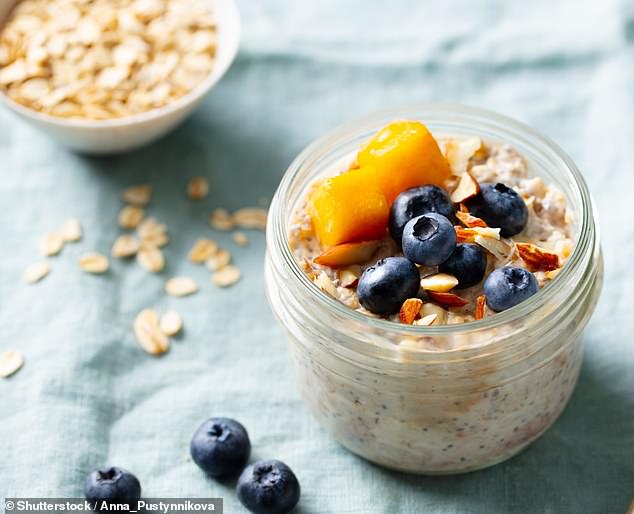
Eggs are fantastic for providing quality protein and essential amino acids, whereas oats deliver slow-releasing carbs that stabilize blood sugar—both key for regulating cortisol.
“Oats are rich in soluble fiber, which nurtures good gut bacteria, fostering a healthy microbiome that helps manage stress responses,” explains Dr. Derbyshire.
“Plus, fortified cereals and eggs can raise vitamin D levels, which are vital for your immune system and stress management.”
Enjoy Oily Fish at Least Once a Week
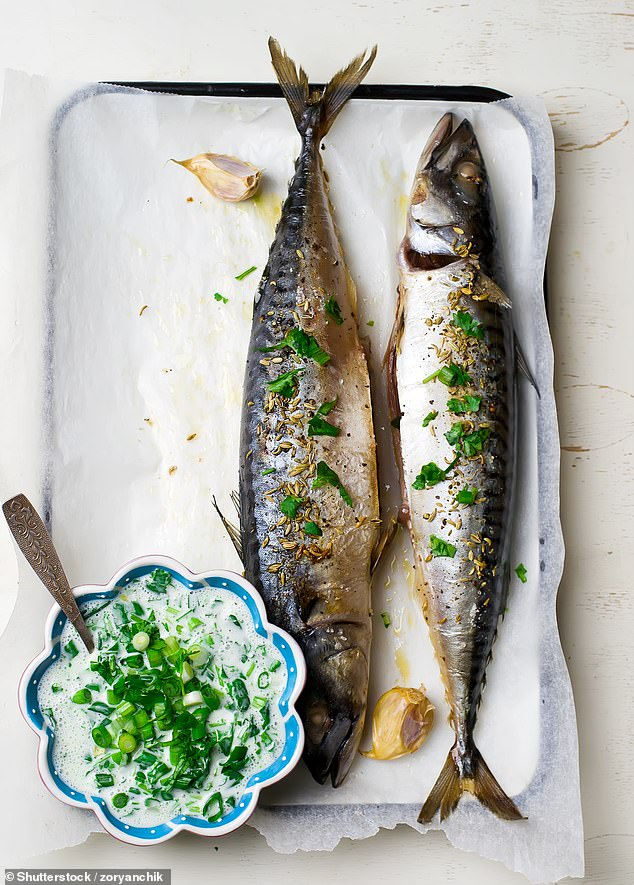
Omega-3 fatty acids found in fish such as salmon, sardines, and mackerel can help reduce stress and inflammation levels.
According to a 2011 study from Ohio State University published in Brain, Behavior, and Immunity, omega-3 supplementation lowered cortisol and inflammatory reactions during periods of psychological stress.
“Omega-3s have anti-inflammatory properties, helping reduce the production of stress hormones,” Dr. Derbyshire explains.
“However, oily fish consumption in the UK is dropping below recommended levels, which is alarming.”
Nutrition experts suggest adults should eat two fish portions weekly, with at least one being oily. That’s roughly 140 grams or a small tin.
Yet, recent statistics show that adults aged up to 64 are only consuming about 5 grams of fish per day.
Adding, Dr. Derbyshire said: “Taking an omega-3 or fish oil supplement is just good common sense and can help boost decisive levels of this essential nutrient in our meals.”

Oranges, Berries, and Dark Chocolate
Vitamin C is vital for adrenal health. Studies show that a higher intake aids quicker recovery to normal cortisol levels after stress.
Research from the University of Trier found that vitamin C can reduce cortisol responses during stressful events, with sources like kiwis, oranges, and berries being easy additions to your holiday breakfast and desserts.
And berries are also packed with flavonoids, known for their antioxidant power, Dr. Derbyshire mentioned.
“Berries, dark chocolate, and tea contain plant compounds that significantly reduce oxidative stress, preventing cortisol spikes,” she highlights.
Leafy Greens for the Win
Spinach, kale, and chard are great sources of magnesium and folate, nutrients that help keep your nervous system in check. Low magnesium levels can increase stress responses—the right nutrients can support mood regulation and balance.
A Glass of Wine Now and Then?
A little alcohol might temporarily lower your stress levels, but on a physiological level, it actually boosts cortisol, particularly in the evenings. Studies show that alcohol can disrupt the normal dip in cortisol at night, which impacts sleep quality and can lead to increased stress the next day.
Dr. Derbyshire points out: “Occasionally having a glass of wine won’t ruin your cortisol levels, but regular drinking can disturb your sleep and hormone regulation.”
“Moderation is key! Pair it with a healthy meal to help soften those cortisol spikes.”
What Triggers Stress Hormones?
While some foods can help balance cortisol, others can make it flare up—particularly those that quickly affect blood sugar or trigger your nervous system, Dr. Derbyshire adds.
“Sugars and ultra-processed foods such as pastries, white bread, and pasta can lead to blood sugar spikes, which push the body into releasing cortisol to stabilize those levels,” she clarifies.
Other factors beyond diet include lack of sleep, chronic stress, excessive caffeine, blood sugar fluctuations, and the absence of daylight exposure—especially during winter.
“Getting that natural morning light is vital,” emphasizes registered nutritionist Grace Kingswell. “It helps set cortisol at the right levels for the rest of the day.”