


When it comes to true crime documentaries, there are numerous choices, yet one particular case has really captured the spotlight and keeps people fascinated.
We’re talking about Gypsy Rose Blanchard and the shocking murder of her mother, Clauddine ‘Dee Dee’ Blanchard. In June 2015, Dee Dee was discovered murdered in her home, a fatal act orchestrated by Gypsy Rose and her then-boyfriend, Nicholas Godejohn, who was convinced to commit the crime.
As the story unfolded, a disturbing pattern emerged: Gypsy Rose had been a victim of her mother’s manipulation for years, trapped in a horrific cycle of abuse characterized by Munchausen syndrome by proxy. Dee Dee had convinced her that she was seriously ill, claiming she suffered from conditions like leukemia and muscular dystrophy.

After pleading guilty to second-degree murder in 2016, Gypsy Rose was sentenced to 10 years behind bars, though she is set to be released on parole on December 28, 2023. In stark contrast, Godejohn received a life sentence without the chance for parole for his role in the incident.
This gripping case has been featured in a variety of true crime series across networks like HBO, Hulu, and Lifetime. To shed light on why this particular story attracts so much fascination, psychotherapist Claire Law shared her insights with The Mirror US.
“What makes Gypsy’s experience compelling is the mix of deception, control, and the shocking nature of the crime alongside deeply human emotions,” Law explains. “Her mother crafted a life filled with lies that controlled everything about Gypsy’s existence through this rare and severe form of abuse known as Munchausen by proxy.”
Law further emphasized that documentaries about this case help audiences recognize the signs of prolonged abuse and grasp its long-term effects on victims. “These narratives push us to confront tough questions about victimhood, justice, and moral choices, illustrating how psychological control can dictate someone’s life for years,” she advised.
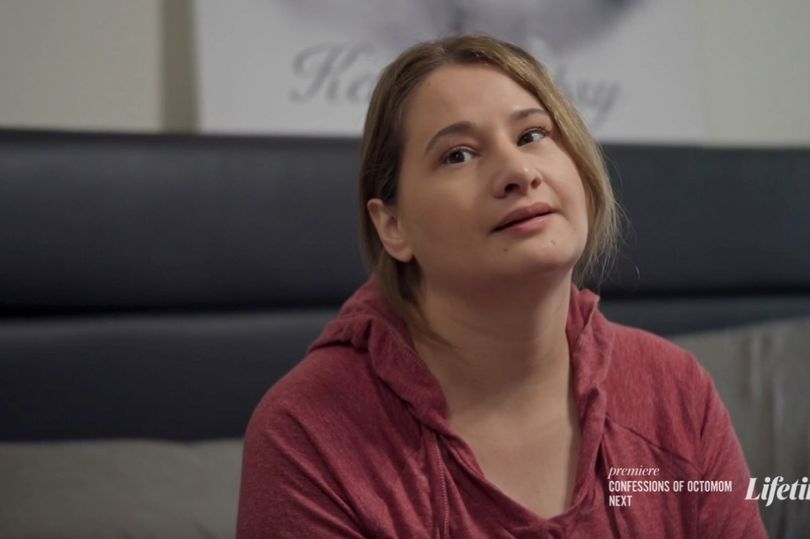
Echoing Law’s sentiments, mental health expert Steven Buchwald noted that the Gypsy Rose case grips viewers because it sits at the crossroad of psychological manipulation, medical fraud, trauma, and complicated moral issues. “People love stories that challenge their black-and-white views of good and evil, and this one certainly fits that mold,” he remarked.
Buchwald pointed out that the unique aspect of Munchausen syndrome by proxy adds an intricate psychological layer that’s both perplexing and riveting. He stated, “When abuse masquerades as caring behavior, it creates a deeper intrigue, prompting audiences to explore how such toxic dynamics come to be and persist over time.”
The experts concluded by emphasizing the importance of responsible storytelling when depicting such tragic circumstances. Buchwald highlighted that while some critics say the numerous adaptations sensationalize the situation, responsibly done narratives can shed light on misunderstood mental health problems and empower those who have faced such coercive control to be seen and heard.
In conclusion, these true crime stories do more than serve up sensationalism. They push us to identify psychological abuse early on, to listen to our instincts when something feels wrong, and to advocate for vulnerable populations, particularly children.
Claire Law provides psychotherapy expertise and represents Custody X Change while Steven Buchwald is a psychologist contributing for Manhattan Mental Health Counseling.