


As some of the world’s rarest whales face declining protections, researchers from South Carolina and Georgia are taking action to save these magnificent creatures. They’re using exciting technology and strategic warnings to prevent collisions with vessels along the Southeast coast.
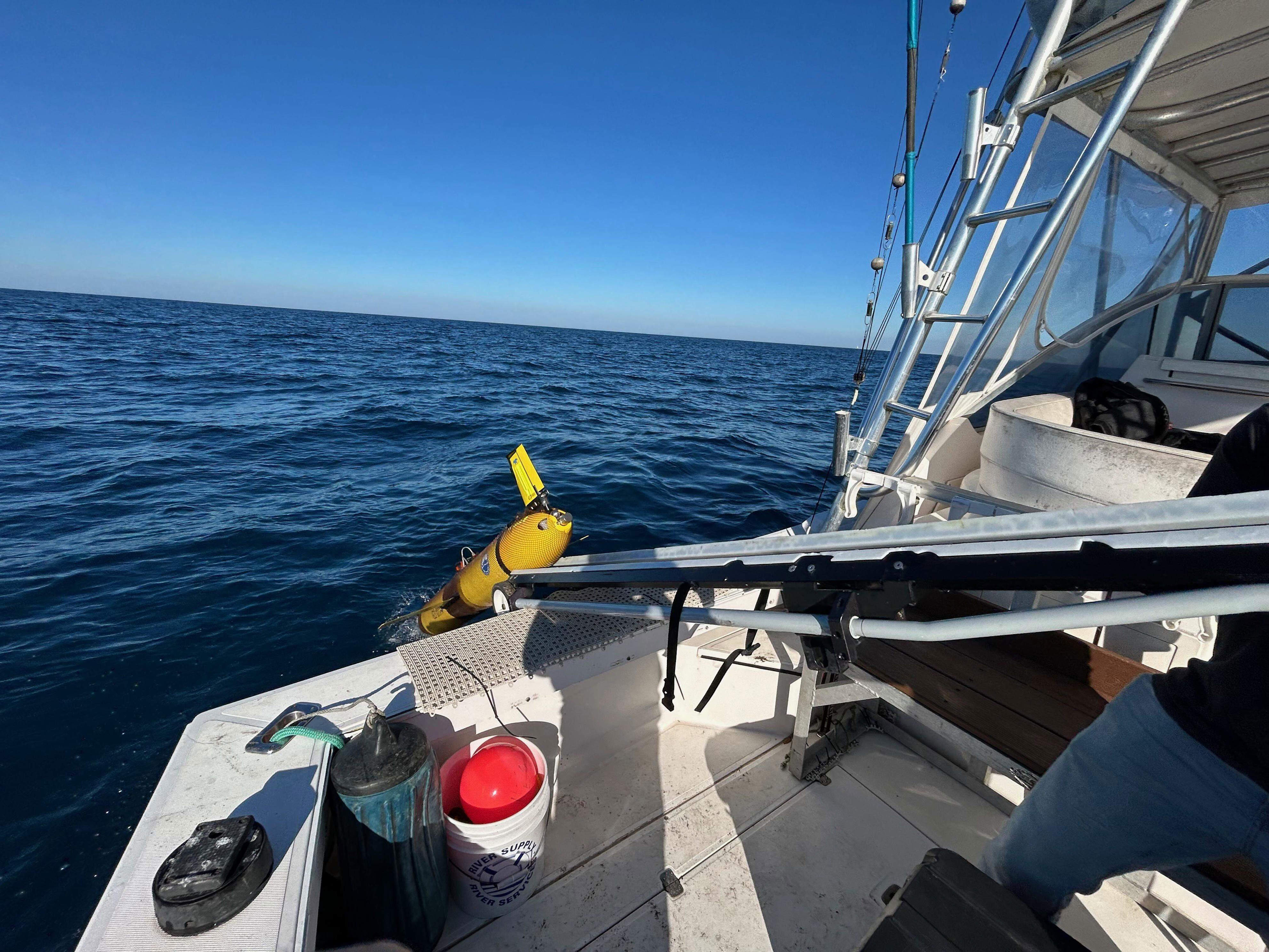
During a recent weekend in December, researchers deployed a torpedo-shaped glider designed to detect the migration patterns of whales who are heading south to calve. Alongside the glider, they also set up a buoy equipped with tracking devices near Savannah’s coast.
The overarching aim? To keep North Atlantic right whales safe from potentially deadly boat strikes during the crucial winter calving period. This glider, managed by the University of Georgia’s Skidaway Institute, listens for whale sounds and sends that data to a satellite. Then, researchers at the University of South Carolina analyze this information, passing verified whale locations to agencies that exist to keep boaters informed.
This mission is particularly essential, according to USC whale specialist Erin Meyer-Gutbrod. With the North Atlantic right whale population dwindling to under 400, there are many threats, including dangerous entanglements in fishing gear and collisions with large vessels.
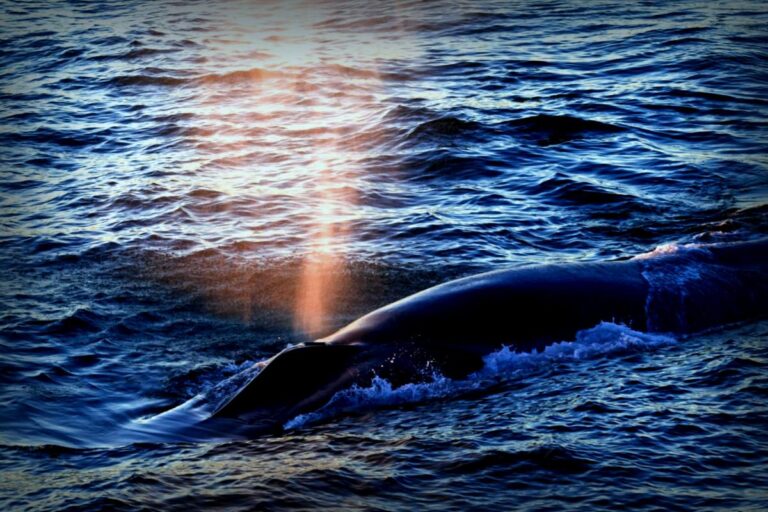
One major issue is that these whales stay just below the water’s surface, making them hard to spot. Their unique absence of dorsal fins makes them significantly less visible than more common whales, like humpbacks.
“Given the current political landscape, a regulatory solution seems unlikely,” Meyer-Gutbrod remarked, referencing the inadequate federal protections in place for right whales. “Thus, the responsibility falls on us to communicate effectively with individual boaters at sea.”
During President Biden’s term, new proposals were put forward to enforce stricter regulations, requiring smaller boats to reduce speed during winter—the critical calving season for right whales. Currently, restrictions apply only to larger vessels measuring 65 feet and above. The former administration sought to expand this to include boats up to 35 feet long, enhancing the area requiring protective measures.
Yet, as the National Oceanic and Atmospheric Administration (NOAA) reversed these regulations in January 2025, following business pushback and the incoming Trump administration, Meyer-Gutbrod expressed her dismay: {‘”Hugely disappointing,” in regards to the decision. It’s intensifying our need to find whales and inform the public on their whereabouts. She hopes voluntary cooperation from boaters will motivate them to slow down in whale-populated regions.
”Our informal collaboration with scientists and mariners is critical right now, especially without regulatory authority to back us up,” she emphasized.
The alarming decline of North Atlantic right whales began back in the late 19th century due to commercial whaling practices. Interestingly, they gained their name for their tendency to float after being killed—making them the ‘right’ choice for whalers, according to the NOAA.
While whaling no longer poses a threat on the U.S. Eastern seaboard, whale populations have yet to bounce back after decades of exploitation. Now, vessel strikes remain one of the primary challenges hindering recovery efforts. Offically recognized as an endangered species since 1970, there are only around 70 actively reproducing females left. The critical efforts to phase out boat collisions have taken center stage for researchers aiming to bolster whale populations.
Through glider technology and buoy deployment, whale protection advocates are exploring innovative methods of tracking right whales’ locations in the Southeastern United States. This information must be relayed swiftly to mariners to prevent accidents.
At a recent navigational tech gathering in Savannah, several boat captains from Georgia and South Carolina were pleased about the tech’s potential to simplify their ability to know when and where whale activity occurred. Skidaway Institute researcher Catherine Edwards noted the excitement around these developments.
Additionally, Greg Reilly of the International Fund for Animal Welfare mentioned plans to develop a notification system, currently still in its early stages, aiming to instantaneously share whale location information with nearby vessels.
Boaters are increasingly vocal about needing real-time updates on whale locations so they can avoid potentially hazardous situations. Reilly highlighted a frequent request from mariners: “Give us a heads-up to where the whales are, and we’ll adjust our actions promptly.”
Meyer-Gutbrod emphasizes that her team prioritizes getting news out as quickly as possible once they’ve confirmed whale sightings. Although this process typically takes a few hours, her analyst works hard to ensure information fires across the network rapidly.
It’s worth noting that the ramifications of collisions can be devastating. Just last year, a young right whale was killed near Georgia after being struck by a boat.
This winter, these impressive whales have been observed migrating off the coasts of South Carolina, Georgia, and Florida, journeying from as far north as Canada and New England.
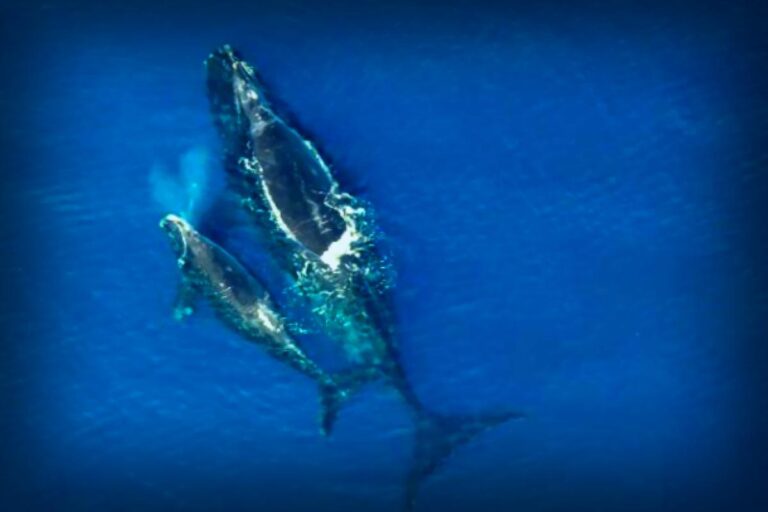
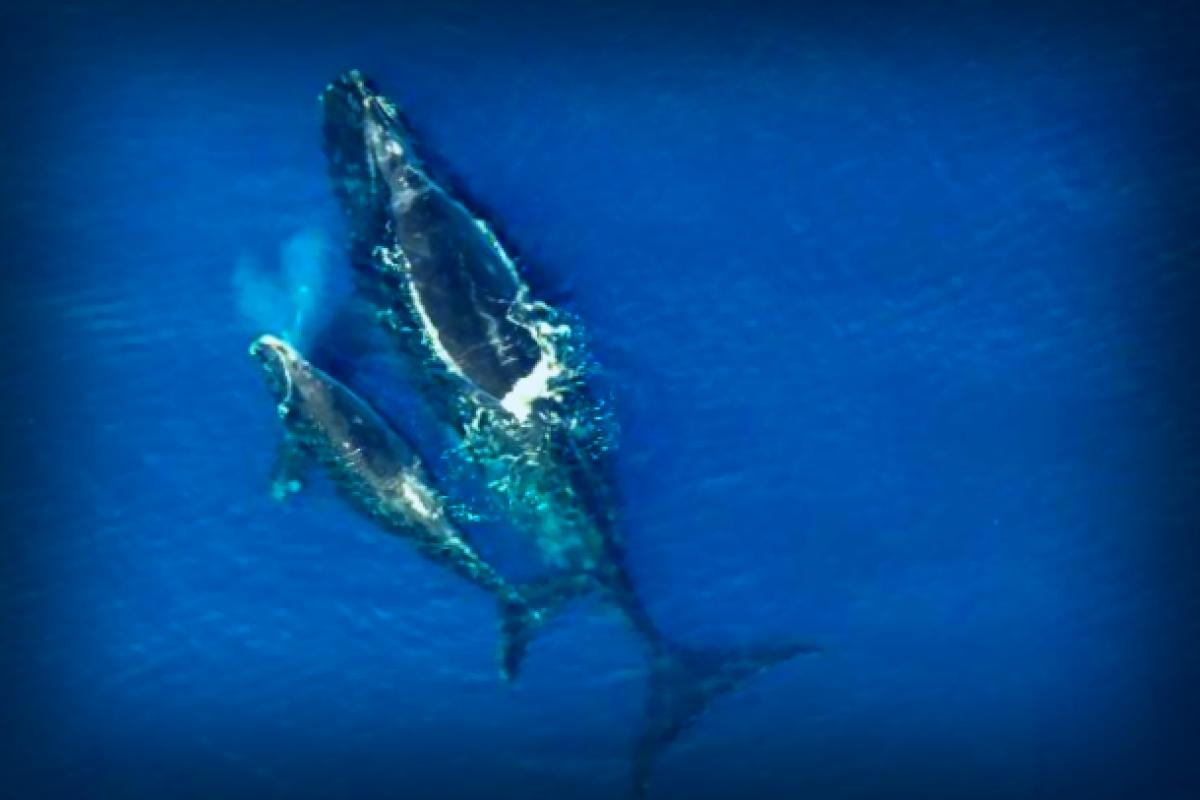
The first right whale accompanied by a calf for this season was spotted near Atlantic Beach, North Myrtle Beach, in November. Remarkably, this 17-year-old whale had previously calved back in 2021, as reported by the Clearwater Marine Aquarium Research Institute. Another mother with her calf made an appearance off Debordieu, Georgetown County in early December.
While aerial surveys help track these majestic creatures, Edwards pointed out that the glider function serves as a crucial backup, especially during challenging winter weather that complicates flying. The glider deployment round occurred between December 12-14.
Amid the stark reality of there being just 384 North Atlantic right whales, with only 70 capable of reproduction, steps taken to restrict vessel strikes are critical. The right whales can reach lengths exceeding 50 feet and weigh around 70 tons.
Mélanie White, a biologist at Clearwater Marine Aquarium, underlined the necessity of ensuring safe environments for mothers and calves during the calving season. This season management is key to protecting the sole calving grounds of the North Atlantic right whale.