

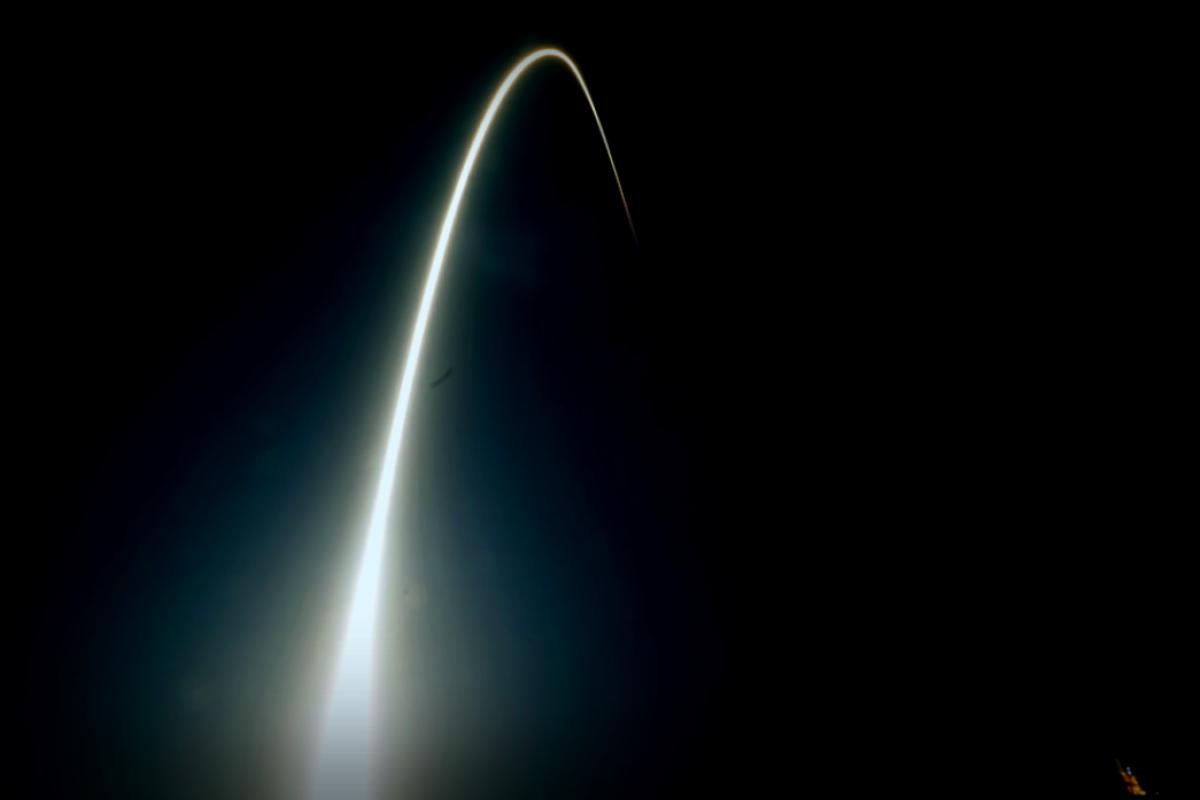
Recent reports indicate that Russia is allegedly working on an anti-satellite weapon that is explicitly intended to threaten Elon Musk’s Starlink satellite network. This information has emerged from intelligence sources connected to two NATO countries.
The weapon, which is being d a ‘zone-effect’ system, may deploy a mass of tiny, high-density pellets into Starlink’s orbital spaces, potentially knocking out multiple satellites simultaneously.
While the weapon holds the promise of targeting several satellites, there are significant risks involved, chiefly the potential fallout and debris that could harm not only the Starlink systems but other satellites orbiting Earth too. This alleged plan appears to be a strategic move by Russia to challenge Western dominance in outer space, which has played a vital role in supporting Ukraine during the ongoing conflict.
Experts who reviewed these claims voiced skepticism about whether this weapon could be used effectively without causing untold chaos in space—a situation that would, ironically, also affect Russia and its ally, China, given their own reliance on numerous satellites for various critical operations.
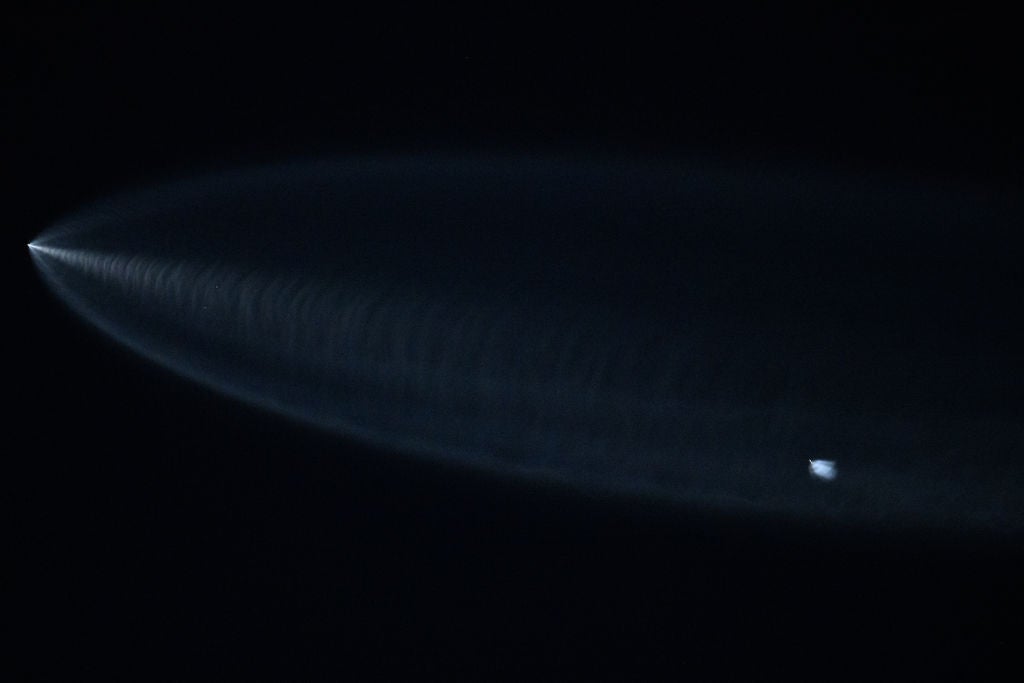
Victoria Samson, an expert in space security at the Secure World Foundation, bluntly stated, “I don’t believe it. Honestly, I really don’t.” She added that it would greatly surprise her if Russia carried out such actions.
However, Canadian military’s Space Division chief, Brigadier General Christopher Horner, suggested that considering historical allegations about Russia’s pursuit of space-based nuclear capabilities, such dangerous technology shouldn’t be dismissed.
“I can’t give insight on that specific system, but under prior circumstances, it wouldn’t surprise me if it’s possible,” he mentioned. “If we take at face value the allegations about their nuclear arsenal approach, it seems reasonable they might also consider an approach like this.”
Despite the alarming developments, Kremlin spokesman Dmitry Peskov did not respond to inquiries about these accusations. Russia has often advocated for global peace in outer space and President Vladimir Putin has previously distanced Moscow from intentions to pursue nuclear space weapons.
The Weapon’s Shrinking Target Profile
The associated intelligence highlighted to the AP outlined restrictions regarding the identities of involved services, leaving the authenticity of their conclusions unverified.
Currently, the US Space Force has not commented on the allegations. The French military’s Space Command, on the other hand, confirmed awareness of “growing hostile actions in space” emanating from Russia over recent years.

NATO reports suggest Russia views Starlink as a significant threat, particularly as its extensive low-orbit network has been crucial in aiding Ukraine during the ongoing conflict, now into its fourth year.
Starlink facilitates high-speed internet vital for Ukrainian military communications, weapon coordination, and supporting civilians impacted by disruptions from Russian attacks.
Officials in Moscow have repeatedly considered commercial satellites that assist Ukraine’s forces as legitimate military targets. More recently, Russia has introduced a new ground-based missile system, the S-500, which reportedly has the capacity to strike low-orbit targets.
Unlike a missile tested previously by Russia to disable an outdated satellite, this rumored missile system purportedly aims to hit multiple Starlink satellites simultaneously using small pellets launched by a fight of yet-to-be-functional mini-satellites.
General Horner further speculated about the impracticality of corral leading pellets to hit only the Starlink network: any attack could very well become uncontrollable, damaging additional systems in the process.
He likened it to detonating a box full of ball bearings, declaring that this inevitably grants the potential to obliterate multiple satellites across the same orbital system. This tug-of-war represents a significant concern for space safety.
Initial Stages of Development
The intelligence shared with the AP stated no clear timeline is available regarding Russia’s potential capability to use this new weapon or the stage of its testing and development.
Advice from insiders illustrates the system still requires extensive research, which hampers sharing additional sensitive details. One official indicated complexity involved would keep various aspects a secret.
Experts like Samson expressed that these findings could even be premature experimentation by some Russian scientists looking to secure future projects to bolster their space agendas.
She notes that fears over new Russian threats might also encourage an exaggerated defensive posture from the international community.
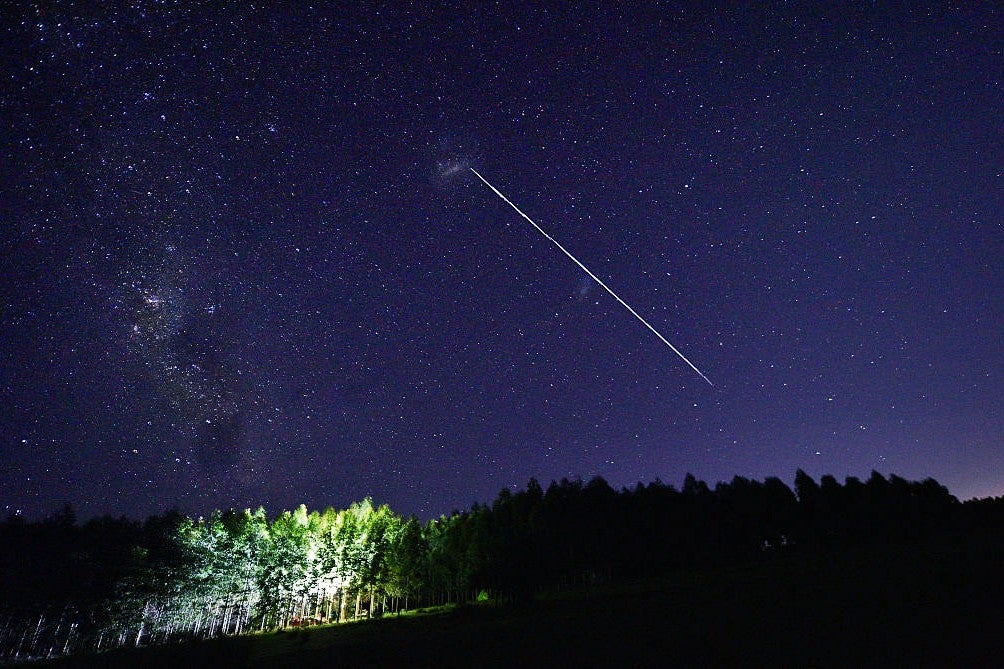
“There have been cases where parties pushed aggressive perspectives just to rally international action,” she commented, unsure if today’s reports fit that pattern but cognizant of how discussions can escalate presenting circumstantial relevance.
Undetected Threats
The intelligence posits these pellets could be very small—mere millimeters wide—making them harder to detect by systems fraught with a myriad of space debris, muddling potential attribution toward Moscow for any resulting damages.
Clayton Swope, who specializes in strategic defenses and space operations at the Center for Strategic and International Studies, states the absence of available tracking options poses significant complications but remains confident: “With rapid finger-pointing on satellites unexplainedly failing, one could potentially infer deeper connections.”
Signing off on the degree of severity it could inflict remains hazy, especially since tiny strikes sufficed in damaging space apparatuses, indicated by prior mishaps.
He specifies, “The primary damages would likely impact solar panels, which can disable a satellite’s functionality and take it offline.”
A Domino Effect?
Post-attack debris would not instantly vanish and would subsequently fall back towards Earth, potentially mishapping other stationed systems in orbitability, according to analytics.
Starlink constellations, strategically holding positions over 550km (340 miles) upwards, are at risk along with both the Tiangong Space Station and the International Space Station positioned lower and open to catastrophe as well.
The speculative ensuing chaos such a weapon induces could empower Moscow without reliance on explicit demonstrations of force, affording them space-based intimidation capabilities according to analysts.
“It evokes a sensation that resembles fear and is genuinely concerning in terms of geopolitical standoff,” Swope remarked.
Samson underscored that factors and repercussions interlinked involve Russia’s long-established commitment as a key space player—a path they wouldn’t easily relinquish.
Introducing such controversial weaponry “could ultimately complicate their operability in outer space as well,” she added, exhibiting uncertainty about their willingness to encumber inevitabilities that might render much harm.