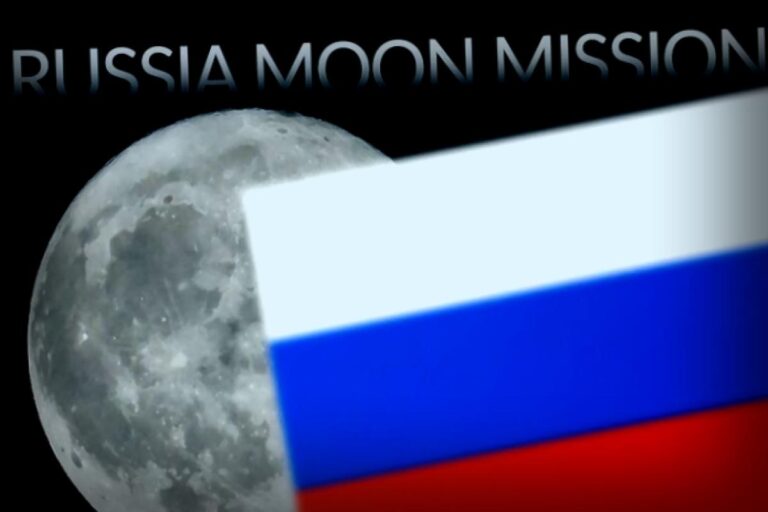

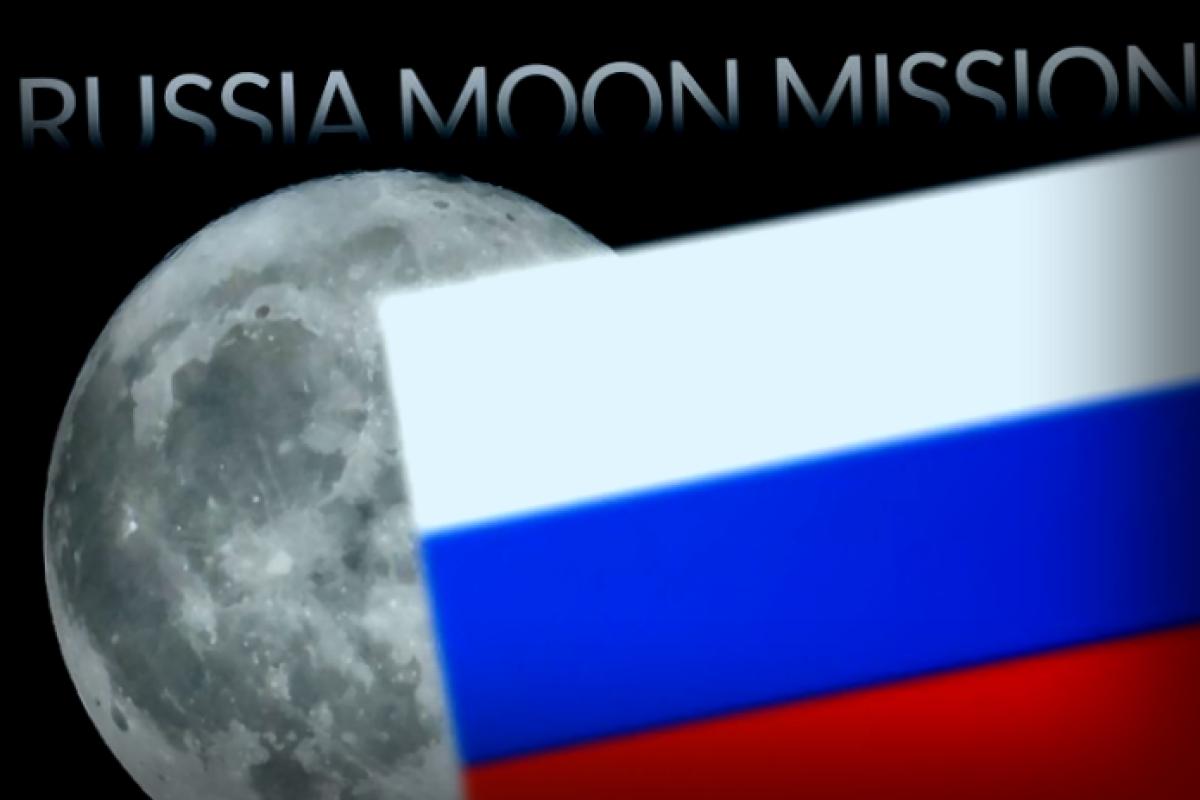
MOSCOW, Dec 24 (Reuters) – Russia has laid out plans to build a nuclear power plant on the moon within the next ten years. This facility is set to support the country’s lunar space program as well as a joint research station with China – and it’s all happening as global powers ramp up their efforts to explore Earth’s only natural satellite.
Since Yuri Gagarin’s historic space flight in 1961, where he became the first human to travel beyond our planet, Russia has considered itself a leader in space exploration. However, in recent years, it has struggled to keep pace, falling behind both the U.S. and China.
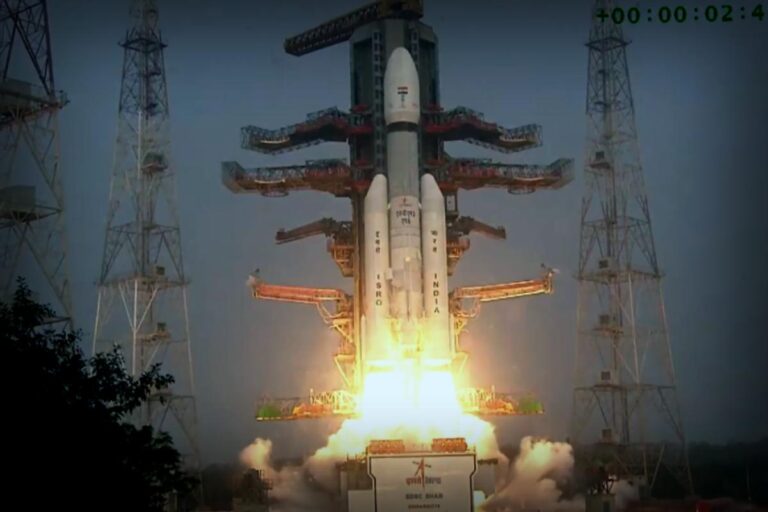
The ambitions took a significant hit when Russia’s Luna-25 mission, which was unmanned, tragically crashed on the moon’s surface in August 2023. At the same time, Elon Musk has transformed how spacecraft are launched, an area where Russia once excelled.
Is There Really a Nuclear Reactor Coming to the Moon?
According to a statement from Roscosmos, Russia’s state space agency, the plan for the moon power plant is expected to reach completion by 2036, backed by a contract with the Lavochkin Association aerospace group. While Roscosmos didn’t explicitly declare that the lunar plant would be nuclear, the statement did note that key players include Rosatom, the state nuclear corporation, and the Kurchatov Institute, Russia’s leading nuclear research facility.
This plant will be integral to powering various components of Russia’s moon program, such as rovers and an observatory, as well as supporting joint operations at the International Lunar Research Station alongside China.
Roscosmos indicated that launching this project marks a crucial move towards establishing a permanent scientific base on the moon, facilitating a long-term exploration initiative rather than just one-off missions.
Back in June, Roscosmos Chief Dmitry Bakanov mentioned aspirations not only to set up a nuclear power facility on the moon but also to venture towards exploring Venus, often referred to as Earth’s “sister” planet.
The moon is located about 384,400 km (238,855 miles) from Earth, playing a vital role in stabilizing our planet’s climate by moderating its axial wobble, and it’s also responsible for causing tides in our oceans.
The U.S. Joins the Lunar Power Race
Russia is not alone in pursuing lunar nuclear power. NASA has also announced plans to install a nuclear reactor on the moon by early 2030.
“We’re racing to establish a base on the moon, and energy is essential for that,” stated U.S. Transport Secretary Sean Duffy in August, addressing the increasing competition with China. He noted that the U.S. currently lags behind in this lunar race, emphasizing that power sources are crucial for supporting life on the moon and eventually making human missions to Mars possible.
While international agreements prohibit the placement of nuclear weapons in space, there are no such restrictions against deploying nuclear energy sources, provided they adhere to established guidelines.
Magnificent possibilities await on the moon; some researchers foresee a lunar gold rush, with NASA estimating approximately one million tonnes of Helium-3, a valuable isotope, waiting to be tapped. Studies by Boeing also indicate the presence of rare earth metals on the moon, essential for modern technology, including smartphones and computers.
(Reporting by Guy Faulconbridge; Editing by Elaine Hardcastle and Alex Richardson)