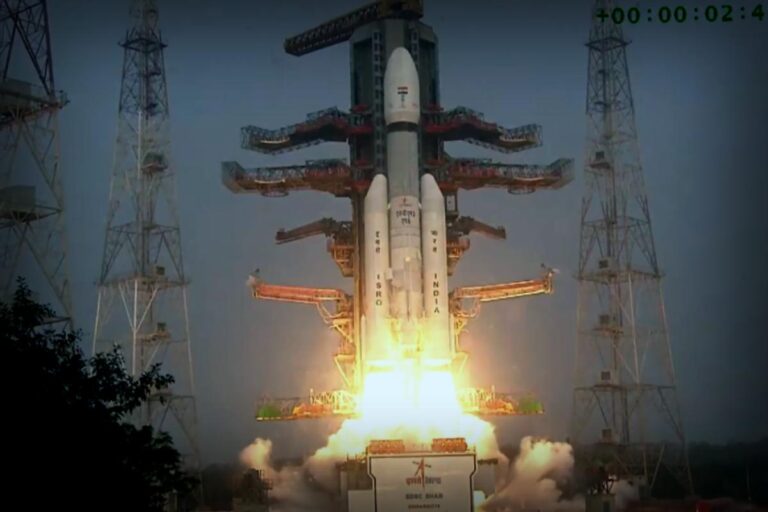


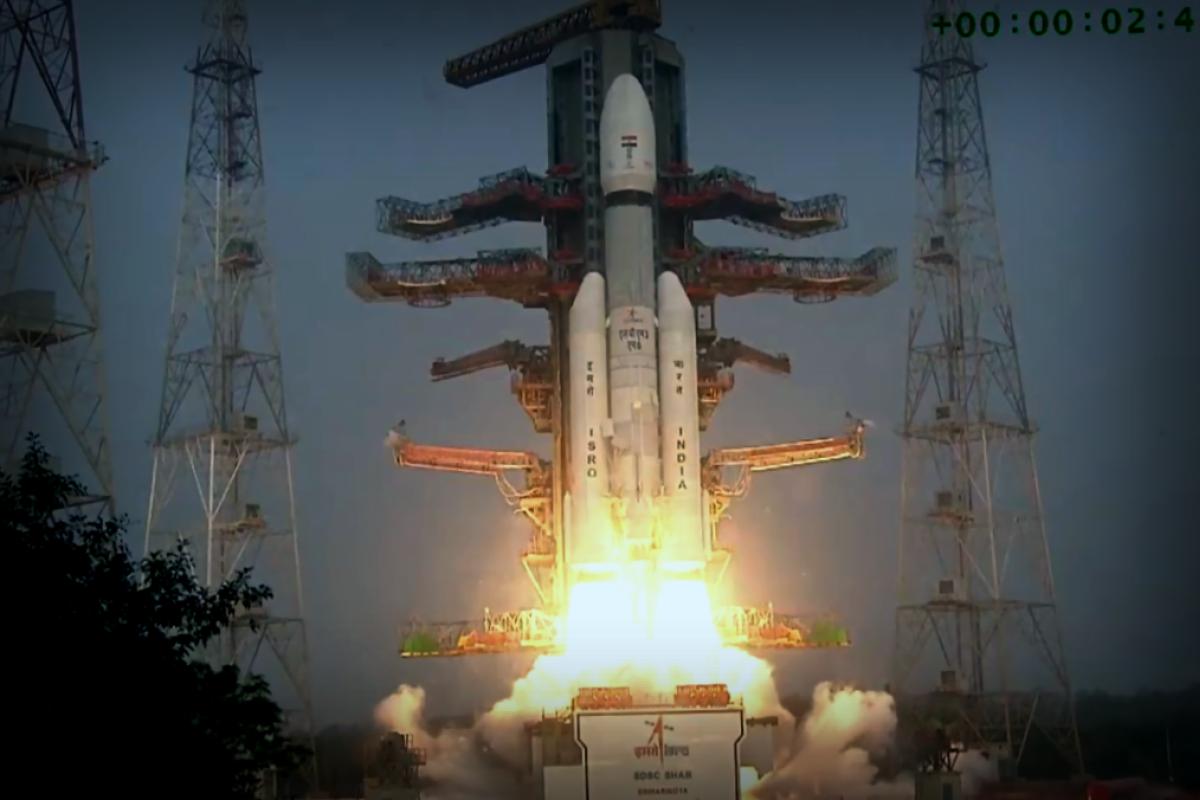
On the night of December 23, an Indian rocket made history by launching the massive BlueBird 6 smartphone satellite into space. This spectacular event took place at 10:25 p.m. EST (which is 8:55 a.m. Indian Standard Time on December 24) from India’s Satish Dhawan Space Centre.
The BlueBird 6 satellite, created by Texas-based AST SpaceMobile, was deployed successfully about 15.5 minutes after launch, reaching an impressive altitude of 324 miles (or 521 kilometers) above our planet.
AST SpaceMobile is on a mission to create a network of satellites in low Earth orbit (LEO) that can provide broadband services directly to everyday smartphones. With this latest launch, the company has now successfully sent six satellites into orbit. Notably, the previous five were launched aboard SpaceX’s Falcon 9 rocket back in September 2024.
The original BlueBird satellites (from 1 to 5) each had communication arrays measuring 693 square feet (64.4 square meters), which was already considerable, but BlueBird 6 takes it up a notch. This new satellite features arrays that spread nearly 2,400 square feet (223 square meters), thus breaking the previous record significantly.
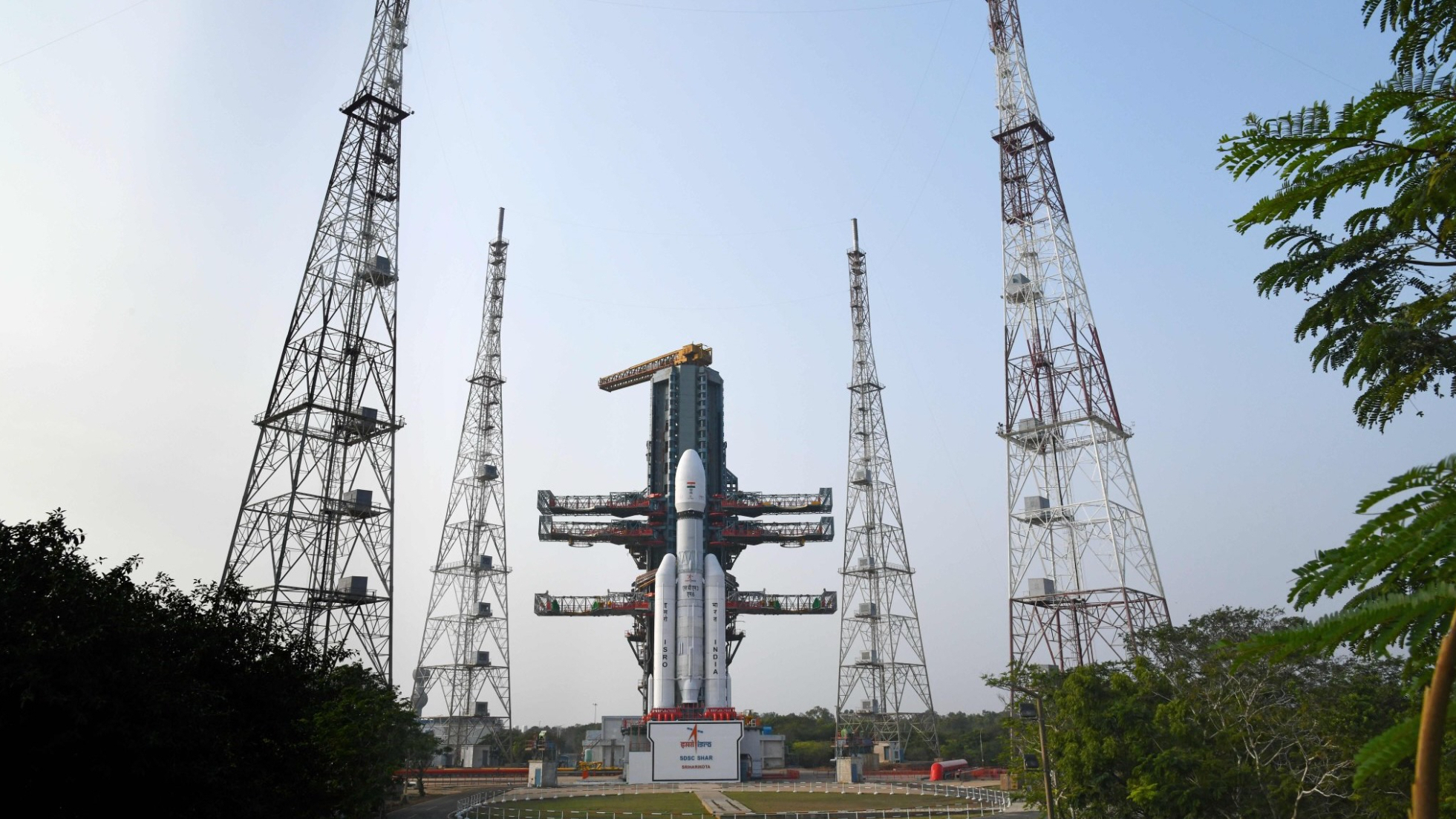
This launch marked the ninth flight for the LVM3, which stands tall at 143 feet (43.5 meters) and has proven itself as India’s most powerful rocket. It made its debut in December 2014 and impressively maintains a 100% success record.
BlueBird 6 weighs around 13,450 pounds (6,100 kilograms), making it the heaviest payload that the LVM3 has ever transported to LEO, as reported by the Indian Space Research Organisation.
Editor’s note: This article was updated to reflect the successful launch and payload deployment as of December 23 at 11 p.m. ET.