


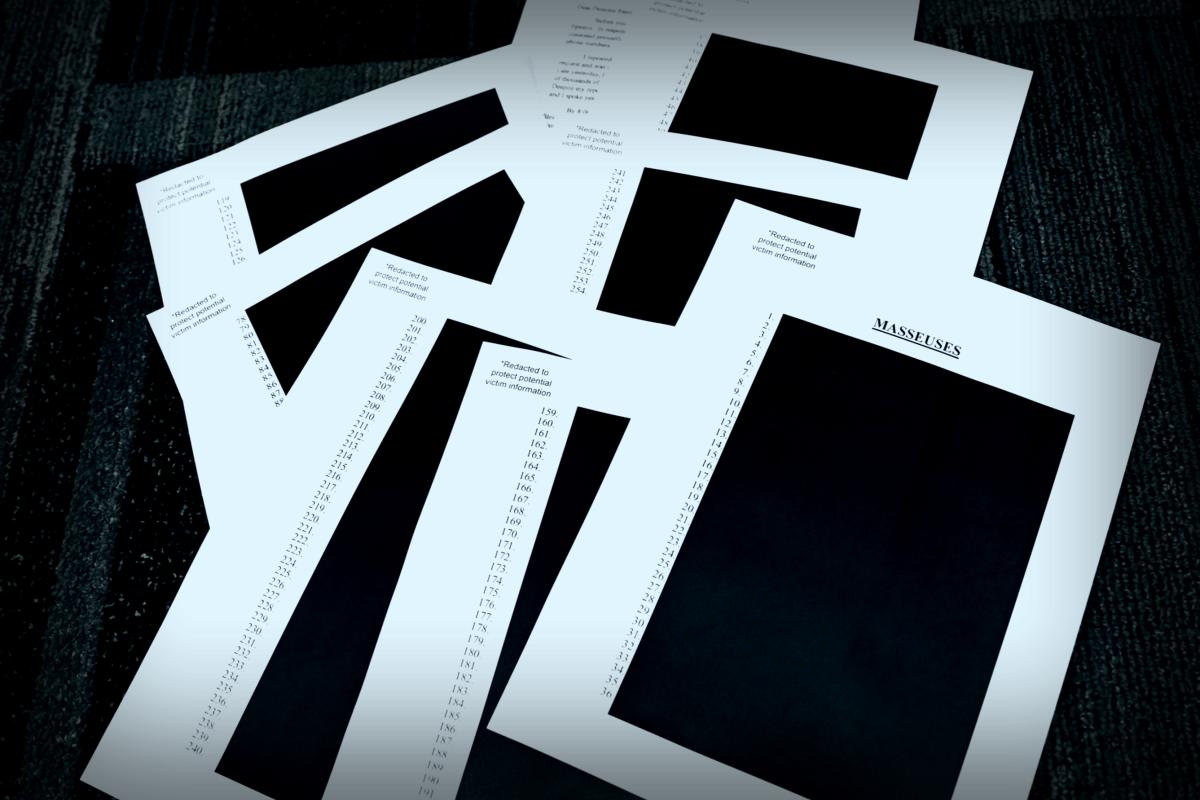
On Wednesday, the Department of Justice announced a significant finding—over a million documents potentially linked to the Jeffrey Epstein case have come to light.
According to a post on X, these documents have been obtained from the Southern District of New York and the FBI. They are currently under review as part of the Epstein Files Transparency Act, along with other legal frameworks and orders.
“Our legal team is working relentlessly to ensure the required redactions to safeguard victims’ identities, aiming to publish the documents swiftly. However, given the vast amount of information, this may take a few more weeks,” officials stated.
Earlier reports by ABC News highlighted that the DOJ possessed over a million documents connected to Epstein, a registered sex offender who passed away in 2019 while awaiting trial on severe trafficking charges.
The recent developments reveal details of the investigation into possible accomplices of Epstein.
Democratic Representative Robert Garcia, who holds a key position on the House Oversight Committee, criticized the Trump administration’s management of Epstein-related files in a recent statement.]
“It’s absolutely unacceptable that the DOJ has kept over a million documents under wraps. We’ve witnessed lies, bungles, missed deadlines, and unlawful redactions on a daily basis. Pam Bondi must be called to testify in Congress and explain her actions,” Garcia asserted. “We are also calling for whistleblowers from within the DOJ to step forward and help secure justice for the survivors. Legal protections are in place for those who come forward.”
In a move towards transparency, Congress enacted the Epstein Files Transparency Act in November, which obliges the DOJ to release its documentation on Epstein. Despite a deadline for disclosures set for Friday, Dec. 19, the department is experiencing delays concerning the necessary vetting process meant to shield victims’ identities.
As of Tuesday morning, the Justice Department had issued over 30,000 pages of documents and made available over 15,000 individual downloadable files, alongside thousands of previously unpublished photographs.
Even before the investigation was initiated in Palm Beach, local law enforcement had received warnings about Maxwell.
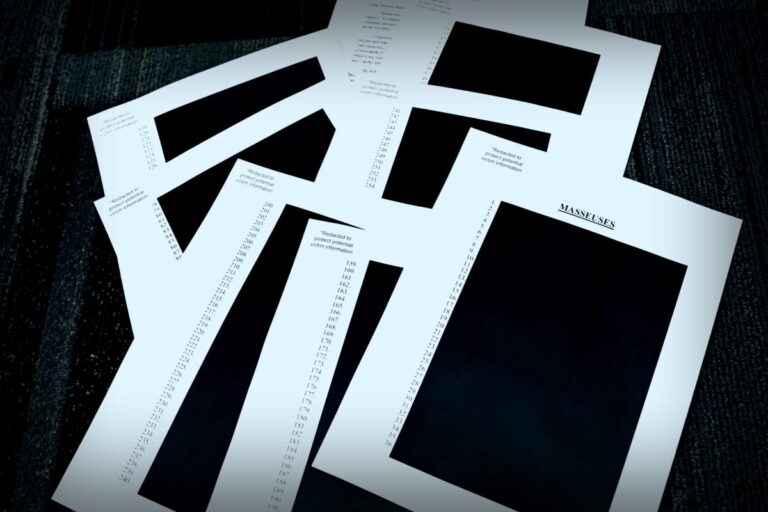
Critics have also expressed concern about the DOJ’s methods, arguing that its approach to redactions has been excessively stringent, obscuring the identities of key government personnel and making it difficult to decipher references in both internal and external communications.
The DOJ has faced backlash for improperly allowing victim names to remain unredacted in a portion of the documents it shared with the public.
Meanwhile, Democratic Representative Ro Khanna, who co-sponsored the Epstein Files Transparency Act with Republican Representative Thomas Massie, emphasized their commitment to keeping the pressure on the DOJ.
“Following our declaration of contempt, the DOJ has suddenly discovered millions of additional documents to share. They must promptly release the FBI 302 statements and communications found on Epstein’s computer. Justice for the victims is non-negotiable,” Khanna remarked on his X account on Wednesday.