


The Dilemma of Design vs. Safety
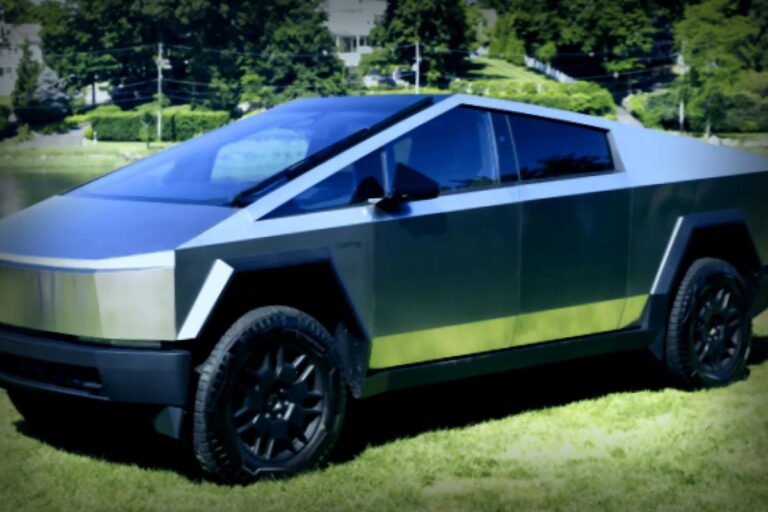
Have you ever asked yourself, what’s cooler than a frameless car door? Sounds high-tech, right? Well, recent findings suggest it could be more complicated than that. Elon Musk got warnings some time back regarding the safety risks of Tesla’s frameless flush-mounted doors—an eye-catching feature we see in models like the Cybertruck and the Model Y. Turns out, it’s not just a concern about how awesome they look—it’s whether these doors can open when you really need them to, like after an accident.
NHTSA’s Safety Review
Right now, the US National Highway Traffic Safety Administration (NHTSA) is looking into how well Tesla’s door latches perform, especially during crashes that zap the car’s low-voltage systems. When that tiny 12V battery runs out, your fancy electronically controlled doors might fail, leaving people trapped inside and rescuers scratching their heads on how to get them out. While many Teslas include manual release options, the trouble is, they aren’t always easy to find and can vary by model—sometimes the back doors don’t have any at all. Picture this: in a panic, realizing that the release is tucked away under a mat or hidden in an obscure spot. Not ideal at all!
Real-Life Consequences
This isn’t just hot air. Take, for example, a recent event in Leesburg, Virginia, where an off-duty firefighter named Max Walsh rushed to save people from a Tesla Model Y on fire after it hit a utility pole. The driver’s door wouldn’t budge, forcing Walsh to shatter the window to pull him out. The passenger, however, was trapped and suffered severe injuries as flames rushed inside. Walsh lamented, “If I had been able to open the doors, both could have gotten out before the fire department even arrived.”
More Tragic Cases
Unfortunately, incidents like this are not one-off stories. In California, a crash involving a Cybertruck resulted in three college students losing their lives when all the doors refused to open. And in Wisconsin, five people died in a Model S fire, crammed together in the front, supposedly trying to escape. According to a Bloomberg investigation into various reports, at least 15 fatalities in the last decade linked to Tesla doors failing post-accidents is a chilling statistic.
Style Over Substance?
Tesla’s frameless doors and sleek handles cater to those who appreciate a minimalist, techy aesthetic. Sure, they reduce wind noise while enhancing battery range as well, but in chasing that elegant design, they’re trimming off mechanical components that could act as a backup. Safety experts recommend that car designs should always allow for safe operation without electricity—what are we doing here?
Changing Consumer Behaviors
A slew of Tesla owners are responding by keeping glass breakers handy or adding auxiliary pull cords to have manual releases more visible. Rideshare drivers are now running “safety briefings” akin to what flight attendants do. Almost 35,000 individuals have voiced their concerns through a Consumer Reports petition pushing for better safety measures in electronic door functions. Some folks, like North Carolina’s Erin Geter, have outright switched brands after facing door issues firsthand.
Reevaluating Safety Measures
If you’re pondering a Tesla purchase, looking at crash test ratings isn’t enough anymore. Experts suggest checking how the doors function without power. That includes clear, easily reachable manual releases for every seat—a key detail for families or people with limited mobility. Safety apprehensions can seriously mess with the customer psyche—especially for those who were faithful to the brand previously and might rethink their choices down the line.
A Look Ahead
Tesla’s website has also gotten an update indicating that doors would now unlock automatically in emergencies after a significant crash is detected, but specifics on which models will benefit and when aren’t clear yet. Regulations in China and Europe might force changes in manual release accessibility next year, and NHTSA’s ongoing investigation could bring up recalls or requirements to redesign the doors altogether. Enthusiasts drawn to Tesla’s bold look must now consider the underlying scenario of juggling sharp design against real human-centric safety needs. When it comes to emergencies, knowing how to quickly open a door can be way more crucial than how slick it looks.