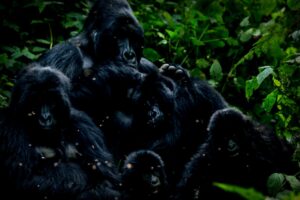


In December 1985, a grim discovery was made in a secluded cabin nestled in the Virunga Mountains of Rwanda. Dian Fossey, a passionate gorilla researcher known for her fierce conservation efforts, was tragically found murdered, having suffered fatal machete wounds, while her cabin had been looted.
Since the late 1960s, Fossey had been tirelessly working with a vulnerable population of gorillas in Rwanda’s Volcanoes National Park. Joined by renowned researchers like Jane Goodall and Biruté Galdikas, she was one of Louis Leakey’s trio of “trimates” selected to study primates in the wild.
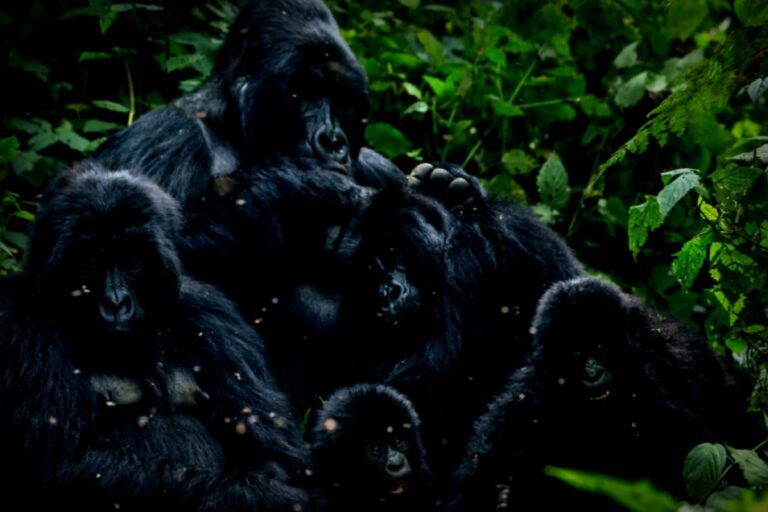
Despite lacking formal training in animal behavior, Fossey ventured into Africa full of passion. She set up her initial research in Kabara, Congo, where she lived out of a simple tent, periodically heading out to observe the area’s mountain gorillas (Gorilla beringei beringei). Following the civil unrest that erupted in 1967, she fled to Rwanda and established new research efforts near Mount Karisimbi.
Inspired by George Schaller, a biologist who had investigated the Virunga gorillas back in 1959, Fossey adopted a patient observation style. She recalled understanding that animals usually prefer to avoid human contact and believed they would grow accustomed to quiet observers. Fossey frequently spent time doing just that, quietly getting acquainted with the gorillas.
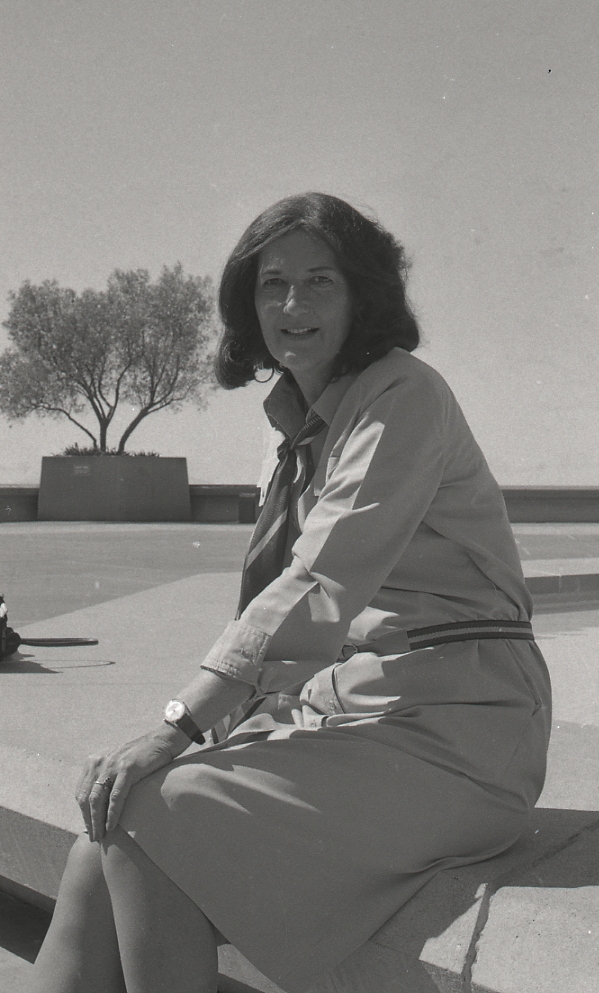
Over time, the gorillas lost their fear and began to display aggressive behaviors like chest beating. While initially intimidating, Fossey continued building her relationships, eventually receiving two orphaned gorillas, Coco and Pucker, whom she rehabilitated and observed closely.
“I realized their need for affection and playfulness,” Fossey shared in her reflections on the animals.
It took about three years before the gorillas truly accepted her and behaved more naturally around her, as she later noted in some lectures.
Throughout her time in Virunga, Fossey diligently documented gorilla communication, including their contentment vocalizations, and their complex family structures, mating rituals, and instances of infanticide committed by male gorillas competing for dominance.
Even though Fossey eventually obtained her zoology doctorate from the University of Cambridge, her early years in the field were marked by her lack of formal education. This didn’t stop her from forming deep connections to individual gorillas, which influenced how she viewed their actions and motivations, often attributing endearing and altruistic qualities to them.
In a revealing interview, she noted, “You look at these magnificent creatures. How many human fathers embody the same level of commitment? How many mothers show as much care? Their family bonds are astoundingly strong.”
Fossey’s true emotional bond was with a gorilla named Digit, who was marked by a hurt finger and isolated from other young gorillas. Tragically, Digit was killed by poachers in 1977.
In the latter part of her life, Fossey increasingly focused on protecting the gorillas’ shrinking habitats and confronting poaching activities. Her methods were often divisive—she would burn poaching equipment, wear disguises to alarm poachers, and even paint cattle to deter herders from entering the protected areas.
Reports indicated that she did not shy away from raising alarms by firing shots near tourists. She even instructed her students to carry firearms, a decision steeped in the tension between preservation and local community relations, as many residing near the park struggled with poverty.
The unsolved murder of Fossey left many questions unanswered. While suspects were plentiful, including poachers, various theories still circulate surrounding her shocking demise.