

More than two centuries ago, James Madison, who would later become the fourth president of the United States, expressed a grave concern in Federalist No. 62. He stated, “It will be of little avail to the people that the laws are made by men of their own choice if the laws are so voluminous that they cannot be read, or so incoherent that they cannot be understood.”
After they fought for independence from a government that overcriminalized issues, the founders of the U.S. Constitution designated just three federal crimes: treason, piracy, and counterfeiting. The Crimes Act of 1790 added 23 additional offenses, making it astonishing to think that a nation once operated with only a mere 26 defined crimes.
Fast forward to today, where the expanse of federal crimes has surged to the point that the Congressional Research Service couldn’t even put a number on them. Estimates indicate there are around 5,000 statutory crimes, and when you throw in about 300,000 to 400,000 offenses from federal agency regulations, it becomes clear that no individual could realistically be aware of all these laws, much less avoid violating them.
So, what kind of ridiculous crimes are we talking about? Defense attorney Mike Chase has taken to X to shine a light on some of these oddities. For example, there’s a law against selling Swiss cheese that lacks the typical holes, and testing mattress flammability with an improper type of cigarette is a no-no as well. One shocking offense even involves clogging a toilet in a national forest! While Chase’s aim may be to entertain, the reality is grim: individuals have faced prison sentences for breaching these nonsensical laws, like importing lobsters in inappropriate packaging or transporting raw milk across state lines. Many of these so-called regulatory crimes operate without the need for establishing criminal intent, leaving honest individuals vulnerable to prosecution.
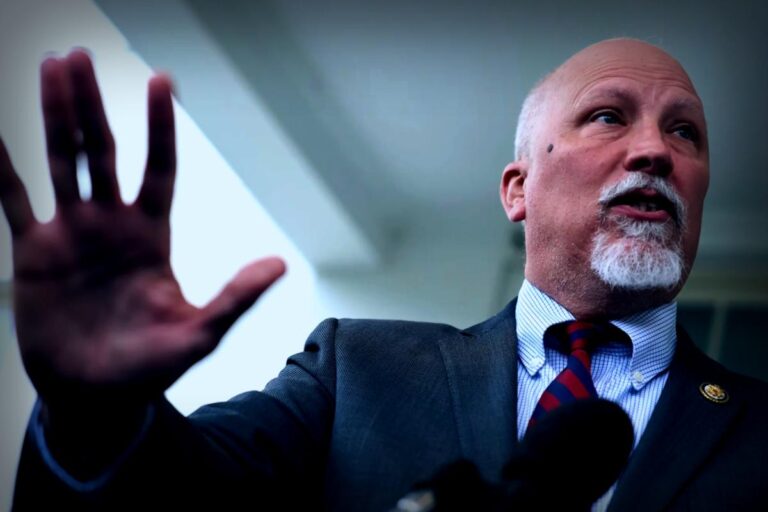
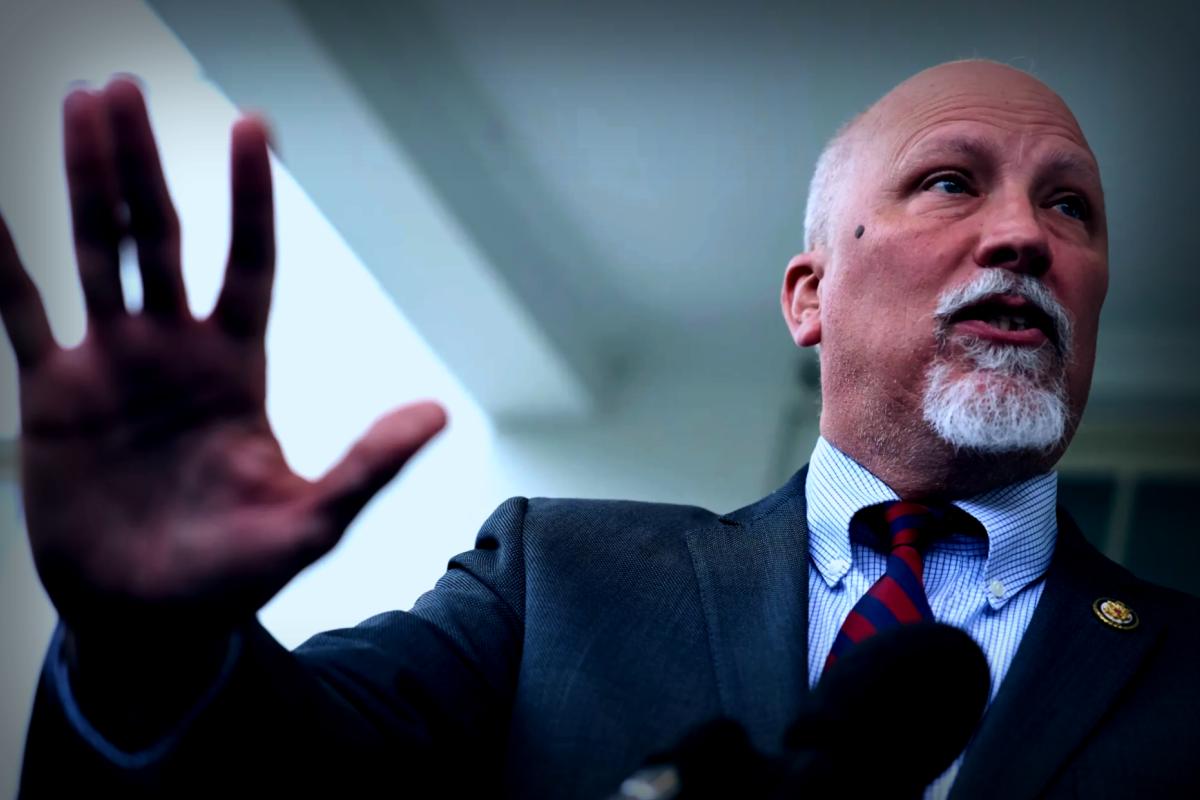
Recognizing this absurd situation, congressional lawmakers from both major parties are stepping up with a solution. In March, Reps. Chip Roy (R-TX), Lucy McBath (D-GA), Andy Biggs (R-AZ), and Steve Cohen (D-TN) brought forth the Count the Crimes to Cut Act, which recently made strides in the House.
If this act gathers enough support in the Senate and receives the green light from President Donald Trump, it will require the federal government to create an accessible, searchable database of all federal criminal offenses, encompassing both statutory and regulatory laws—detailing each law’s components, requisite mental state, and history of prosecutions.
“My primary concern in Congress has always been to ensure the safety and well-being of my constituents,” McBath remarked when the bill was proposed. “With the Count the Crimes to Cut Act, Americans will no longer live in fear of disproportionate punishment, and law enforcement professionals can do their jobs better to keep the public safe. It brings me great pride to support this legislation, and I thank my colleagues for working together as we aim to enhance safety and justice for all Americans.”
CONGRESS NEEDS TO REVIEW PARDON POWERS
This reform may seem modest but could have significant implications. It won’t abolish any laws or redefine what constitutes criminal liability; rather, it promises to shine a light on an exceptionally complex and often confusing legal landscape.
The Count the Crimes to Cut Act could bring essential accountability to federal law creation and restore a critical understanding of the Constitutional rights lost in Washington. The public shouldn’t require lawyers to decipher if they’re accidentally breaking the law. A clear inventory is vital for recognizing actual crimes versus petty infractions that shouldn’t warrant threats buried in regulatory paperwork. It’s about time lawmakers from both parties took action to trim down this legal jungle, and a push for transparency is the starting point for meaningful reform against overcriminalization.