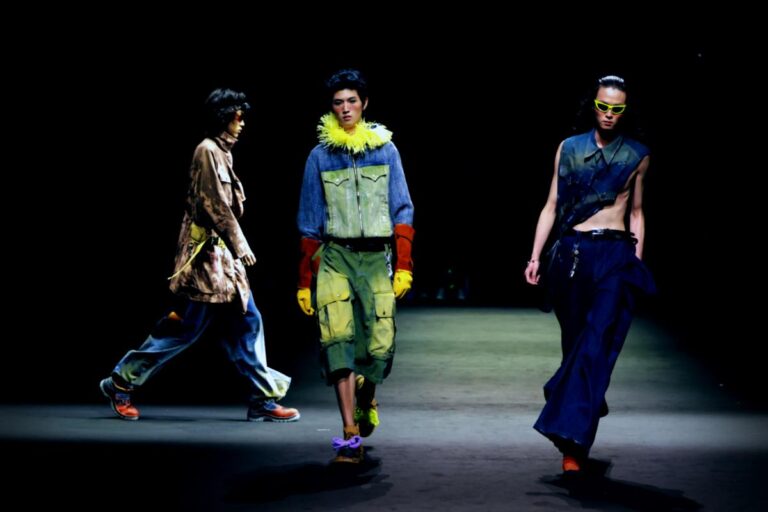



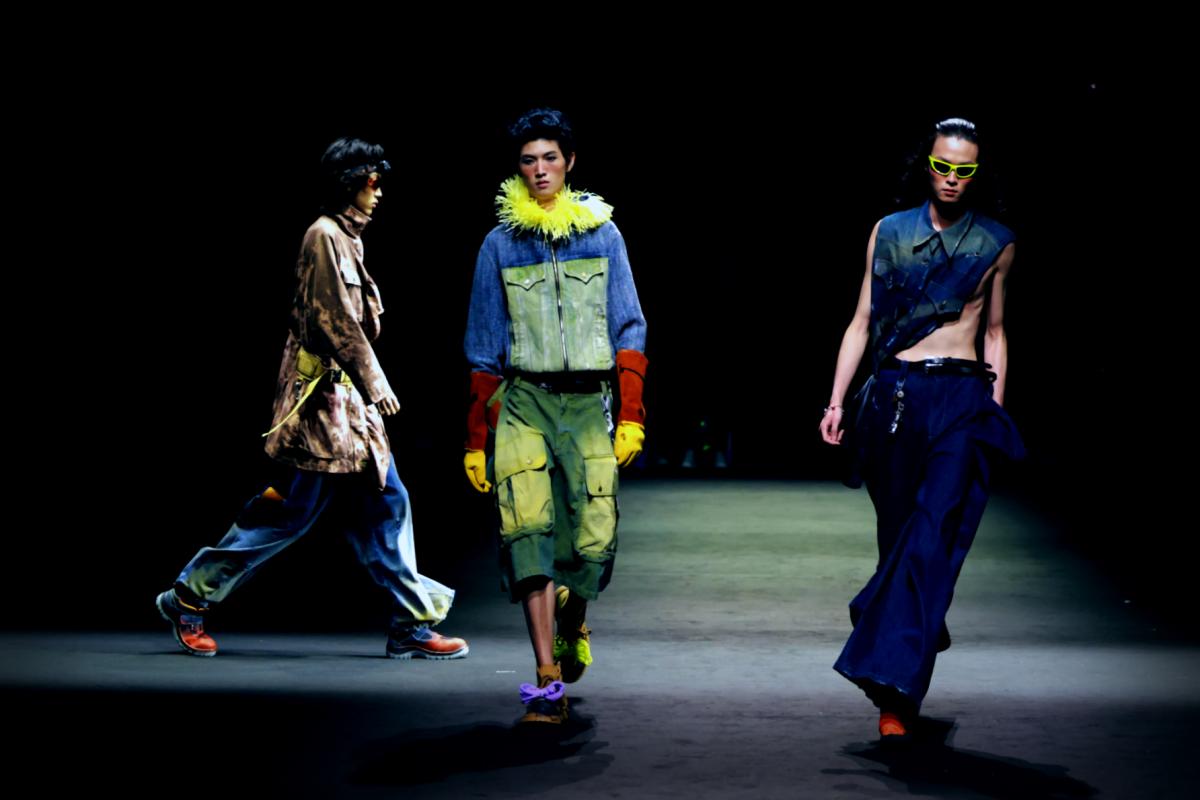
BUENOS AIRES — When you think about fashion, the first thing that comes to mind might be what you wear. But let’s be real, it’s a lot bigger than that—especially today with globalization and consumer culture trying to make us all the same.
Fashion isn’t just about looks; it shapes our lifestyles. The philosopher Gilles Lipovetsky put it simply as a compulsive chase for what’s new, a way to honor the ‘now.’
Almost everything—how we eat, the therapies we choose, the music we vibe to, the books we read, the lingo we use, the places we hang out, our body looks, the sexuality we flaunt, and the beliefs we parade—are dictated by trends.
Photographer Bill Cunningham referred to fashion as “armor to survive the daily grind.”
This concept doesn’t only apply to what we wear but extends to body modifications, our obsession with certain public figures—be they celebrities, politicians, or influencers—daunting diets, and even hot tech or scientific breakthroughs that catch our eye just because they’re ‘in.’
Quentin Crisp, a British writer and actor, linked the fashion craze to identity. He boldly stated that fashion is most what “you pick up when you have no clue who you are.”
In our consumer-driven society, aptly named by Zygmunt Bauman as “liquid modernity,”, we inevitably become trend fodder. Underneath the chaotic choices lies the push to sell something. When we don’t know who we are or feel lost, chasing a fashion trend lets us show some individuality and connect with a supportive group.
Even back in communist regimes, where production and goods were strictly controlled, trends still popped up. In Romania, for instance, homeopathy became a hit replacing traditional treatments. And homemade carrot juice? That became the magical elixir for digestion.
The Waves of Change
During my adventures in Buenos Aires, with a pit stop in Paris, I’ve seen endless fads come and go. In 1959, coming to Buenos Aires was all about strumming guitars, diving into psychoanalysis, rocking miniskirts, and having major quinceañeras—big parties for turning 15.
As time flew, it became mandatory to dive into works by Julio Cortázar and other key Latin writers, along with thinkers like Jean-Paul Sartre, Simone de Beauvoir, and James Joyce. Next up, youth culture embraced rock, pop, and even hippies related to Vietnam protests, with The Beatles and Woodstock marking a new artistic freedom phase. Following that, styles morphed into punk, goth, and tribal aesthetics. The protests in France around May 1968 echoed the slogans, “It’s forbidden to forbid” and “Make love, not purchases.”
Fast forward to the last couple of decades, and you’d notice how fashion trends have mirrored political actions and history; movements like feminism and anti-bourgeois rebellions suggested shifts, and even spiritual practices like yoga and shamanism drew on fashion. I chuckle seeing hip eyeglasses make a comeback when not long ago, contact lenses were the trend. Quinceañeras have returned to popularity; detective stories and historical literatures are highly sought after now. New Age trends aim to repurpose ancient wisdom in a more consumable form.
We shouldn’t let fashion hold us captive.
The left, often critical of U.S. culture, subconsciously adopted much of its vibes-grand scarves and portions of food; a strange mix of fast fashion with the uniformity of jeans, sneakers, and sports gear is now all too common.
Crafting Dreams into Reality
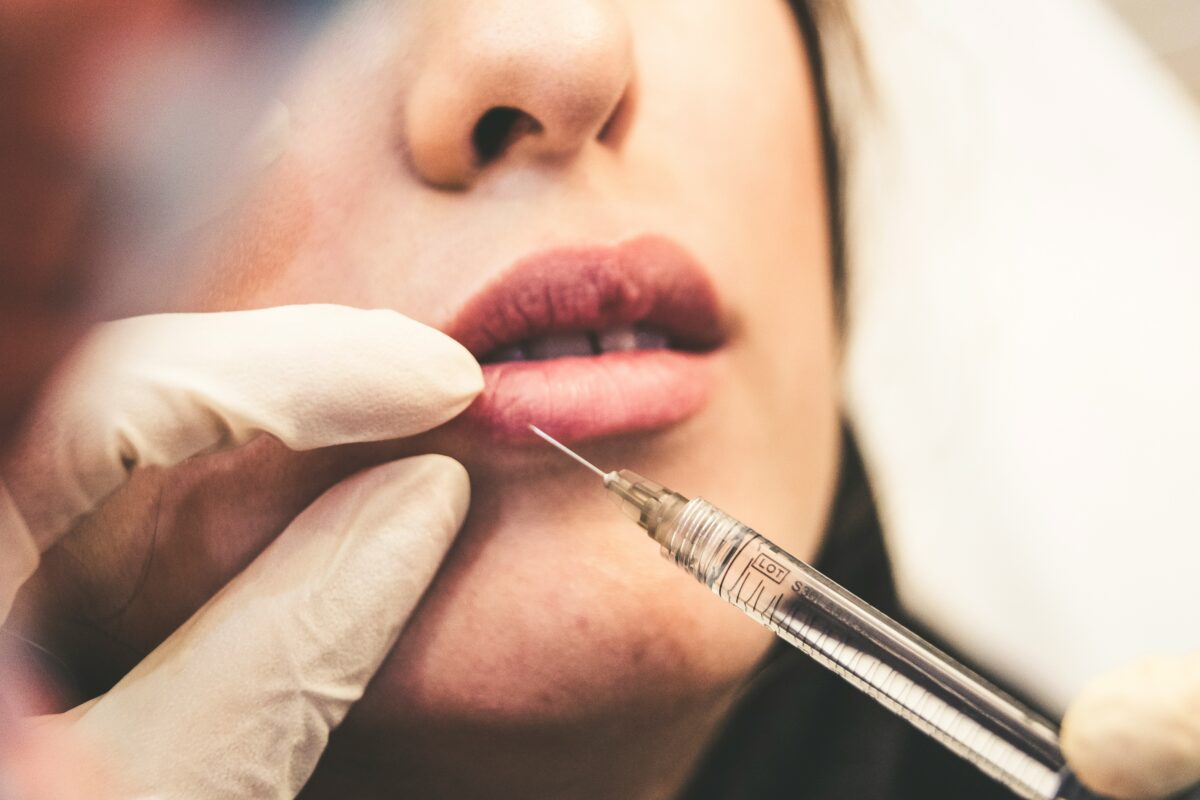
Aesthetic standards have undergone massive change too. What started with breast enlargements has evolved. Now, numerous women pursue advancements in lip and facial integrity through hyaluronic acid, collagen, or Botox. Those glamorous false lashes and manicured trends adorn our fingers with glitz.
Hit social media—even the buzzing atmospheres manage to overwhelm with the ‘new’ solutions. Advertisers learned that igniting new consumer needs beats simply meeting old wants. Ralph Lauren made this vivid when he said, “I don’t design fashion. I design dreams.” Gore Vidal added that true style is about knowing yourself well enough to disregard everyone else’s opinions.
Ultimately, fashion shouldn’t enslave us. It’s all about having self-esteem and faith in your choices. To echo what Louis XIV might say, “My fashion is me.”
If you like this kind of content, stick with us for more insights!
This article was originally published on Worldcrunch.com and adapted by Worldcrunch through a collaboration with CLARIN.