


Statins definitely draw a lot of attention! On one hand, cardiologists hail them as life-saving medications. On the other hand, some patients are wary because of possible side effects or doubts about their long-term use. Given that high levels of cholesterol often stem from lifestyle choices—like what we eat, how much we move, and whether we smoke—statins sit at an interesting crossroads between medical treatment and our everyday habits. The big question is: Should we tackle heart health with medication, lifestyle changes, or a mix of both?
How Do Statins Work and Why Are They Important?
So, what exactly are statins? They’re a group of drugs that shut down an enzyme named HMG-CoA reductase, which is key in how the liver makes cholesterol. Now, cholesterol isn’t all bad; it’s necessary for several body functions, including building cell membranes, creating hormones, and producing vitamin D. But things go south when “bad” LDL cholesterol and triglycerides remain elevated for too long, resulting in the buildup of plaque in arteries and upping the chances of heart attacks and strokes.
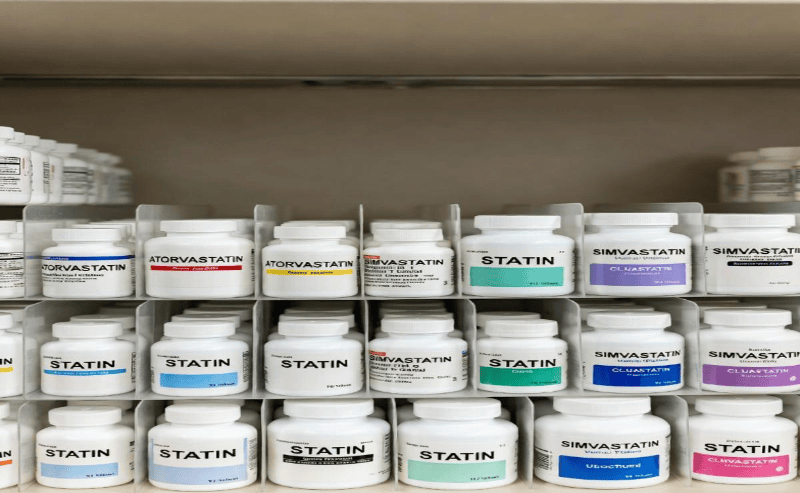
Statins shine in the cholesterol-lowering department; by reducing levels of LDL and triglycerides, they lessen the chance of artery blockages. Their help is backed by tons of research: big clinical trials have shown that statins can significantly cut down instances of heart attacks, strokes, and cardiovascular-related deaths. Keep in mind that how much benefit you get from statins really depends on your personal health factors and how much they can lower LDL cholesterol. So, national health guidelines generally suggest prescriptions for folks at a higher risk of heart problems, whether it’s for prevention or following a cardiac incident.
But just like any medicine, statins also have their drawbacks. Many people report headaches, an upset stomach, or a bit of dizziness. While rarer, more serious side effects could include muscle inflammation (called myopathy) or, in the most extreme instances, rhabdomyolysis – a dangerous muscle breakdown. The silver lining is that these severe reactions occur in less than one out of a million users, and most disappear once you stop taking the medication.
We also can’t ignore the potential for drug interactions. Statins like simvastatin and atorvastatin break down in the liver through certain enzymes (CYP3A4), which also help metabolize other medications. If you’re taking drugs that inhibit these enzymes—like some antibiotics, antifungals, or heart meds—your statin levels could climb, heightening the risk of muscle problems. Even grapefruit juice can mess with how well statins work, though not all varieties of grapefruit meet the same fate on that front.
Despite their effectiveness, statins aren’t the only option for controlling cholesterol levels. Healthcare pros insist that maintaining a healthy lifestyle is vital for optimal heart health. It turns out that trying to balance weight, making smarter food choices, and being active works hand-in-hand with taking medication to produce better results. Studies indicate that making changes to diet and ramping up physical activity can not only help with losing weight but also cut down on LDL cholesterol and improve general heart health linked to both heart disease and type 2 diabetes.
What you munch on can have a huge impact, too. Experts recommend sticking to fewer saturated fats—those found in things like butter, fatty meats, and processed snacks—and switching to healthier unsaturated fats from sources like olive oil, nuts, and seeds. Increasing your intake of fiber through fruits, veggies, and whole grains really does wonders for cholesterol levels. A review from 2019 reported that diets rich in fiber lowered heart disease risk by as much as 30%, showcasing how some basic food changes can have huge benefits.

And we can’t overlook how crucial regular exercise is. Not only does it boost HDL cholesterol (the “good” kind), but it also helps reduce triglycerides. Health experts typically suggest aiming for at least 150 minutes of moderate exercise each week; however, even smaller bursts of activity can still contribute significantly to heart and vascular health.
In the end, choosing between statins and lifestyle changes isn’t strictly one or the other. For those at higher risk of heart issues—like individuals with past heart attacks or genetic cholesterol disorders—statins play an essential role. Yet, for someone with only slightly elevated cholesterol or in a borderline state, lifestyle adjustments might postpone or even eliminate the need for medication. Ultimately, a customizable approach that factors in individual risks, benefits, and what you can sustain long-term includes the best strategy for your heart health.