



Ever heard the phrase, “You’re only as old as you feel”? Well, it turns out there’s some scientific truth behind it—not just attitude can shape how old you feel. While we can’t alter the number of years we’ve lived, we can positively impact our biological age, which gives a clearer insight into our health and lifespan. This concept, known as epigenetic aging, relates to chemical shifts in our DNA that affect gene functions. Excitingly, recent studies involving what are termed “epigenetic clocks” suggest these biological changes can offer clues about your disease risk and longevity. The best part? You can actually put the brakes on this aging process with the right lifestyle choices.
How Retirees Can Keep the Youthful Vibe
Fresh research published in the journal Social Science & Medicine indicates that volunteering has a significant impact on slowing down epigenetic aging. Scientists looked into data from the Health and Retirement Study (HRS) featuring 20,000 adults over the age of 51 and discovered that regular volunteers experience slower biological aging across various DNA measures. Even when adjusting for factors like income, education, and health, the results pointed to volunteering as a direct contributor to longevity.
What Makes Helping Others a Fountain of Youth?
The link between volunteering and aging ties into both biological processes and social behavior. “Being socially connected provides protection against aging at any stage in life. Volunteering creates a solid framework for older individuals to stay socially engaged,” states Diane Ty, who is at the helm of the Future of Aging initiative at the Milken Institute. This engagement not only strengthens social bonds but also gives retirees a purpose—two crucial elements for easing stress, enhancing mental health, and lowering risks for conditions like cardiovascular disease, dementia, and depression. Helping out may literally soothe stress responses in the body, helping reduce inflammation and slowing down aging in our DNA.
The Extra Perks of Volunteering with Young People
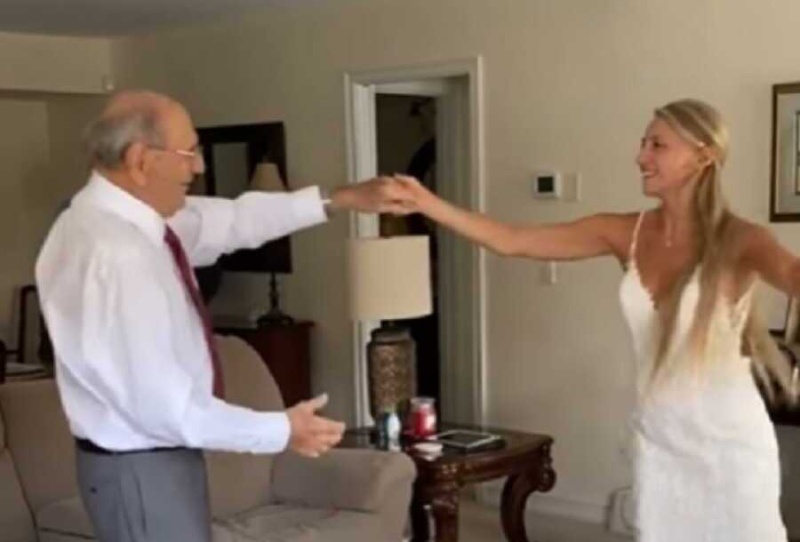
Not all kinds of volunteering pack the same punch. Research shows intergenerational volunteering—where older adults team up or mentor younger folks—yields the most benefits. These interactions spur cognitive activities, build empathy, and fight feelings of loneliness. Ty notes, “Older adults working alongside younger generations report feeling more fulfilled, less isolated, and their thinking stays sharper.” This mix of purpose and connection seems to act as a strong countermeasure against hasty aging.
In the end, volunteering offers more than a way to give back; it’s a gift to your own health and could very well groove with your DNA. By remaining active, building social circles, and staying driven by purpose, retirees have a chance to safeguard their health and enrich their vitality as they grow older. So, before you consider slowing down, think about volunteering—you might just reap the benefits of youthful energy!