

On a chaotic Monday, CBS News found itself in the eye of a storm after it decided to pull a segment from 60 Minutes that investigated the brutal conditions at a notorious prison in El Salvador. This facility had become a focal point after hundreds of Venezuelans were deported by the Trump administration earlier this year.
The segment about Cecot prison was set to be showcased on Sunday evening. However, in an “editor’s note” shared on X just hours earlier, CBS announced that it had made some last-minute changes: “Tonight’s episode of 60 Minutes has an updated lineup. Our report ‘Inside Cecot’ will be scheduled for a future date.”
This last-minute decision triggered significant backlash, including from Sharyn Alfonsi, the correspondent involved in the piece. Alfonsi had gathered powerful testimonies from individuals about the appalling conditions they experienced behind bars. Interestingly, the Paramount Plus site had already indicated that the segment would air at 7:30 PM ET.
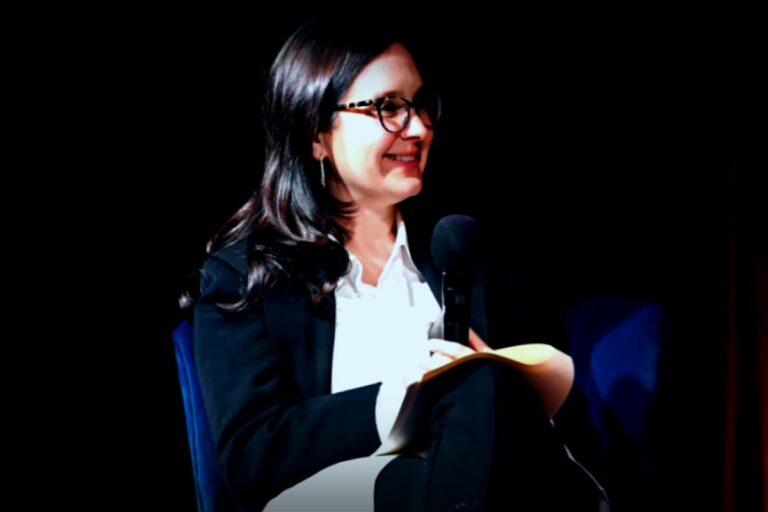
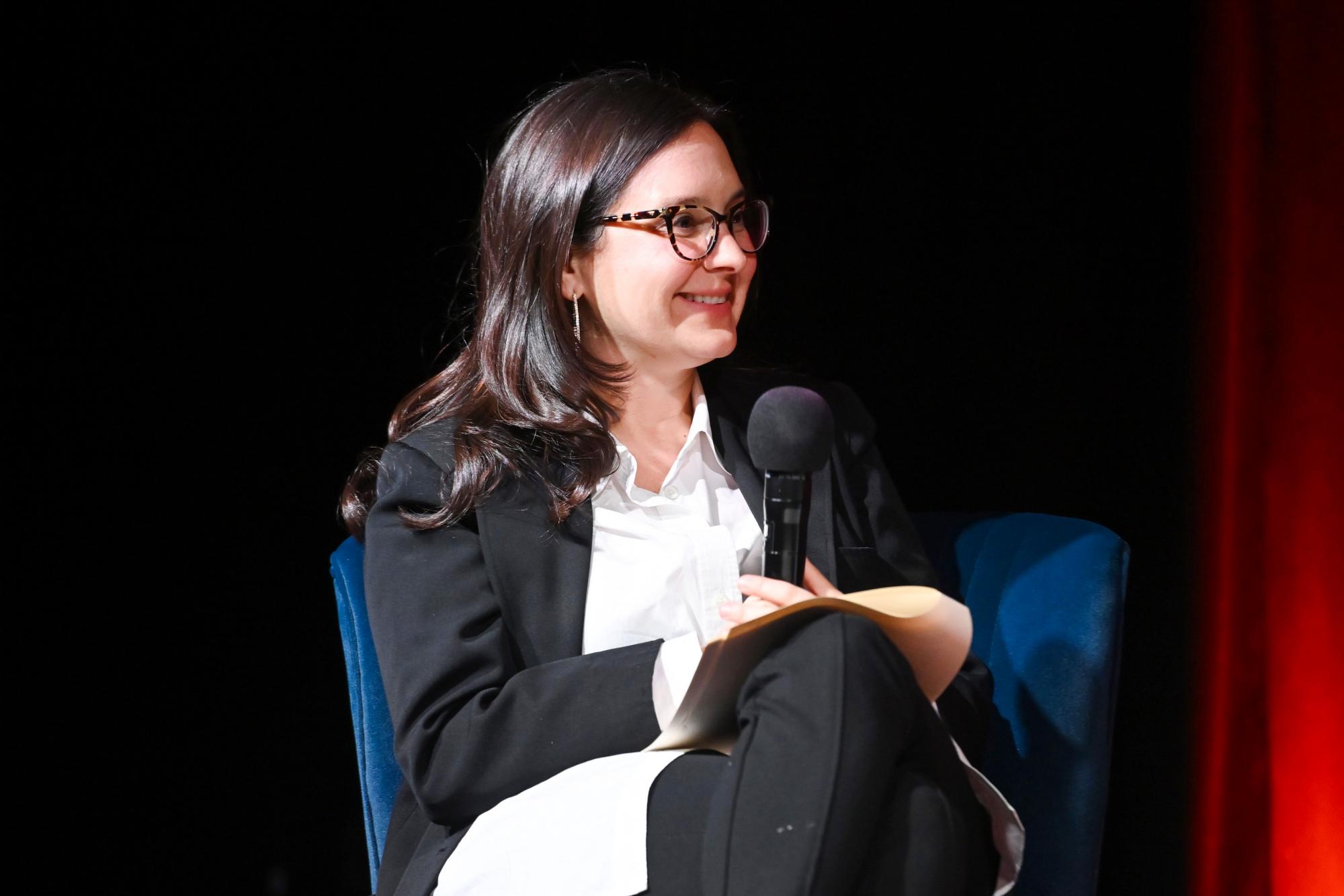
Bari Weiss, the controversial new editor-in-chief at CBS, addressed the staff during a morning call on Monday. Her appointment had drawn criticism for her perceived lack of experience and concerns about potential political bias stemming from her acquisition of the conservative outlet, The Free Press. During the call, tensions ran high as it was reported that some journalists were considering leaving the network due to the incident.
Weiss defended her decision to hold the story back, she stated it wasn’t ready to be broadcast. Although she acknowledged that there was strong evidence of abuse, she theorized the story needed more depth since the relevant issues had already been covered elsewhere. She also emphasized the need to make every effort to interview key figures involved.
The concerns echoed a statement from CBS representatives the day before, suggesting the segment required additional reporting and insisted on including perspectives from Trump’s administration, which Alfonsi commented had declined to offer input on the matter despite repeated requests.
During her note to colleagues on Sunday, Alfonsi highlighted that the piece had passed numerous rigorous checks and met journalistic standards. She pointed out that it wasn’t just an editorial choice that led to the segment’s cancellation, but a politically motivated one.
Continuing her argument, Alfonsi warned that letting the administration’s refusal to engage dictate editorial decisions means essentially giving them a “kill switch” for any reporting that could be deemed uncomfortable.
The outside reaction was no less fierce. Critics pointed out Weiss’s appointment might steer coverage toward the right. Additionally, allegations regarding behind-the-scenes corporate maneuvering added fuel to the fire, given the recent merger of Paramount and Skydance, which required regulatory approval from the Trump administration. Hawaiian Senator Brian Schatz voiced his concern on X, stating that CBS would face harsh repercussions for shunning critical journalism in a bid to appease political influences.
Similarly, Massachusetts Senator Ed Markey observed that this incident painted a bleak picture for both 60 Minutes and the broader journalistic landscape, further linking the corporate activities at Paramount with Trump administration interests.
Media analyst Kara Swisher also chimed in, further accusing CBS of bending to Trump’s will, pointing to reports suggesting CBS wanted to revise the reporting boldly requesting commentary from controversial White House adviser Stephen Miller. She argued that adding his voice under the circumstances was a blatant attempt to placate political sensitivities.
In an effort to regain control and promote cooperation within the newsroom, Weiss called for a work culture that encourages open debate and disagreement on critical editorial matters while assuming the best intentions from colleagues.
Despite the current turmoil, 60 Minutes holds strong ratings, averaging over 8 million viewers weekly during its 57th season, making it a critical platform for political discussions and corporate interests. Discussions around political motivations affecting media practices underlined the challenges news outlets face today.
Bob Thompson, a media expert from Syracuse University, noted that misperceptions of journalistic impartiality continue to shape viewer expectations. He concluded that while the situation at CBS may seem troubling, it’s all part of a broader shift in how media choices are influenced by power moves supporting varied political agendas.
-
Additional reporting by Jeremy Barr