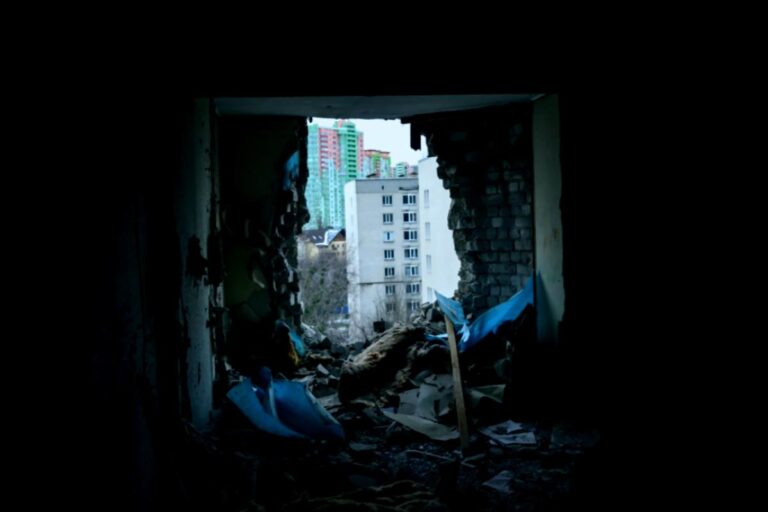


This month saw a landmark event in the ongoing tensions between the US and Venezuela: the CIA conducted a drone strike on a port facility along the Venezuelan coast. This unexpected move represents the first confirmed US attack targeting a location within the country historical.
According to sources who spoke to CNN, the strike hit a secluded dock suspected of being used by the Tren de Aragua gang for drug storage and transport. Luckily, there was no one at the site during the strike, so no casualties were reported.
Interestingly, reports indicate that US Special Operations Forces may have provided intelligence for this operation, although a spokesperson for the US Special Operations Command, Col. Allie Weiskopf, rejected this claim, stating, “Special Operations did not support this operation, including intel support.”
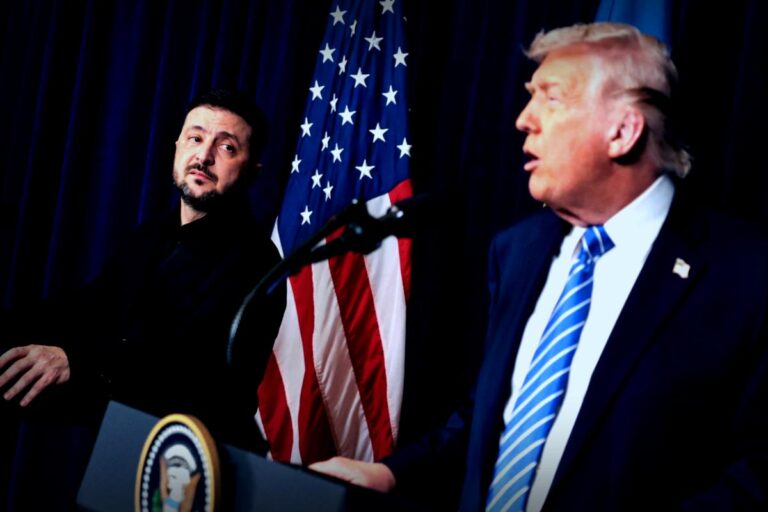
Last week, President Donald Trump seemed to reference the attack in an interview that went mostly unnoticed at the time. While he did not delve into specifics, he acknowledged that the strike did occur.
This drone attack has the potential to amplify tensions with Venezuelan President Nicolas Maduro, who has been the target of US military pressure for some time. In the past, US forces have carried out operations, resulting in the destruction of over 30 vessels as part of what has been called a counter-narcotics initiative. Trump has also imposed blockades on sanctioned oil tankers dealing with Venezuela, signaling a more aggressive approach.
Until this recent CIA strike, known US military actions against Venezuela had primarily targeted drug trafficking boats in international waters, meaning this strike on land represents a significant escalation up to this moment.
The CIA has not offered any comments regarding the incident to date. CNN has reached out to various agencies, including the White House, US Special Operations Command, and Venezuelan Ministries for statements but has yet to receive a response.
In a December 26 interview, Trump indicated that the US had assaulted a key facility linked to maritime drug transport and reiterated that the US did indeed attack facilities in the designated dock area. However, when pressed for further details on whether the CIA or military was responsible for this particular strike, he refrained from commenting further.
According to one insider, the operation s ded in demolishing the targeted facility and its vessels. However, it is important to note that this port is merely one of several utilized by drug traffickers operating in the region. Surprisingly, it didn’t garner much attention within Venezuela itself at the time it took place.
Earlier this year, Trump also augmented the CIA’s powers to conduct operations in Latin America, including Venezuela. But the scope of military actions has remained strictly around sea-bound drug traffickers.
The reasons behind the increased military presence in this area vary; officials tout a need for counter-narcotics actions. Still, Trump’s chief of staff highlighted an objective of bringing Maduro to his knees through these strikes.
Government officials have persisted in asserting their commitment to targeting suspected drug smugglers, employing strategies reminiscent of the earlier war on terror, with the CIA helping drive those efforts. In a compelling metaphor, Secretary of Defense Pete Hegseth compared drug traffickers to al Qaeda, stating, “These narcoterrorists are the al Qaeda of our hemisphere,” during the Reagan National Defense Forum, as he discussed tactics being executed to combat them.
This report includes updates from US Special Operations Command.
For ongoing updates and exclusives, you can check out CNN and consider creating an account at CNN.com.