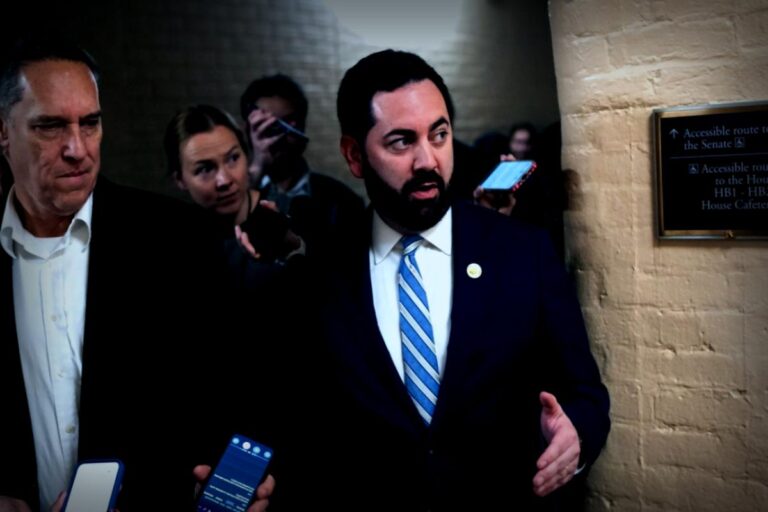



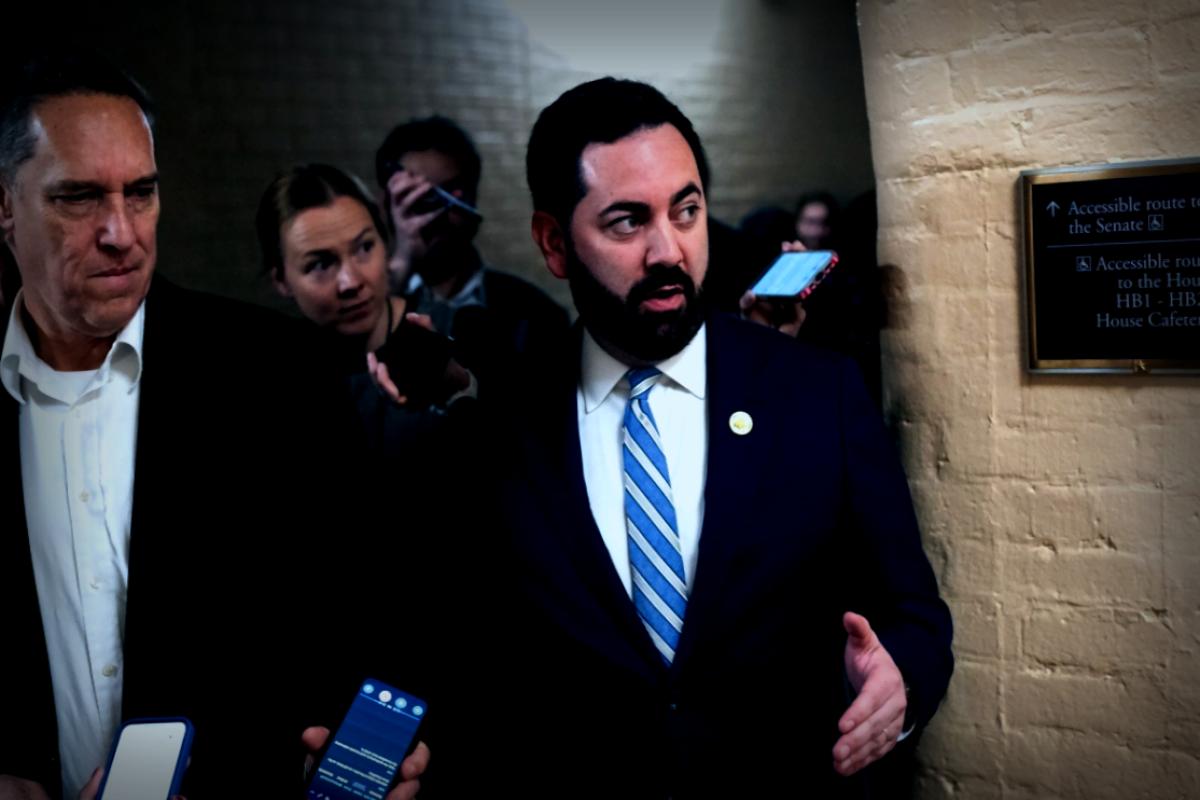
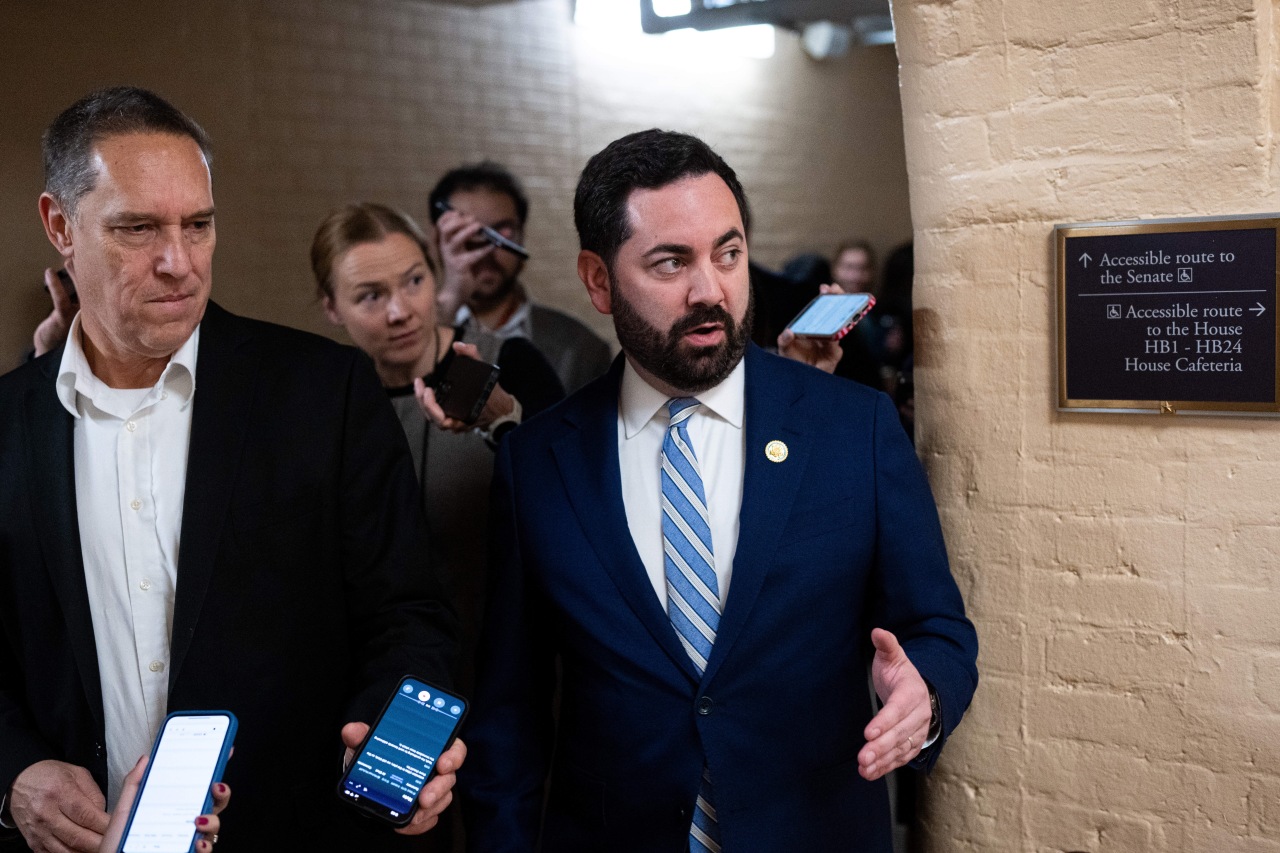
In a surprising twist in Washington, four House Republicans have broken rank with Speaker Mike Johnson and joined forces with Democrats to push for a vote on enhancing Affordable Care Act (ACA) subsidies. This move highlights the cracks within the GOP as members grapple with rising healthcare costs just ahead of next year’s midterms.
Among those who signed off on this petition, spearheaded by House Minority Leader Hakeem Jeffries, was Rep. Mike Lawler from New York, alongside three fellow Republicans from Pennsylvania: Reps. Brian Fitzpatrick, Rob Bresnahan, and Ryan Mackenzie. They’re rallying for a three-year extension of improved ACA subsidies, especially critical at a time when millions are facing higher costs as these enhancements are set to expire soon.
The apparent division in the Republican ranks reflects broader challenges as the party aims to maintain its slim House majority. The urgency of the situation is magnified for nearly 20 million people enrolled in ACA plans who will potentially encounter significantly higher costs at the start of the New Year.
Lawler didn’t hold back his frustrations in light of the current stalemate, asserting, “I am pissed for the American people. This is absolute bulls**t. Everyone has a responsibility to serve their district, to serve their constituents.”
With enough GOP signatures now on the discharge petition, Rep. Jeffries has the 218 votes needed to call for a vote, although that won’t likely happen until after the holiday season. This suggests a persistent push on both sides as the Senate continues to discuss potential solutions for early next year.
The four Republicans’ actions also raise questions about Speaker Johnson’s leadership within a historically narrow majority of 220-213, where any small faction can significantly influence the party’s agenda.
Johnson maintained his position, telling the press, “We’re keeping a productive conversation going,” insisting he hadn’t lost control over the House. Despite his reluctance and previous remarks about not moving forward with any votes on subsidies this week, he painted a picture of a united front moving towards healthcare reforms in the future.
Current GOP efforts include passing a healthcare bill focused on expanding access to association health plans for small employers, while neglecting the necessary ACA extension that many in the party wanted. Critics point out that this move falls short in addressing key concerns.
Bresnahan, a fresh face in Congress from Scranton, shared his rationale: “I didn’t think it would be fair to just rip the rug out from the people in northeastern Pennsylvania.” He expressed frustration that alternatives from moderates were being left out of the narrative.
Capitalizing on this uncertainty, Democrats have urged Congress to remain in session until the vote on the ACA can take place to safeguard healthcare for millions. Jeffries echoed this sentiment, calling on Johnson to swiftly allow the vote: “It certainly will create a great deal of pressure on the Senate.”
All four rebels are facing re-election in competitive districts, particularly in Pennsylvania, a key battleground that played a significant role in the outcomes of recent elections due to rising inflation concerns. Democrats have utilized statistics — notably a projected 26% increase in ACA premiums — to argue that GOP leaders might be boxed into a corner politically.
Commenting on the situation, Sen. Chris Murphy highlighted the potential fallout: “It feels like the dam is breaking. I mean, they’re going to be ruined politically if they continue to hold their ground.”
Meanwhile, Senate Majority Leader John Thune and others remain cautious, indicating previous hesitation about supporting a straight vote for ACA extension. However, some envision renewed momentum due to these developments in the House, pushing for reforms in conjunction with extensions to fiscal policies governing health insurance.
Discussions continue among Republican senators, looking at proposals that might limit who can qualify for these subsidies, potentially merging costs with minimum payment mandates to curb misuse. However, any new bill will still require a significant 60 votes to move forward in the Senate.
Sen. Susan Collins remarked how the ongoing talks in the House have sparked renewed enthusiasm, stating they are making solid headway on a balanced approach that includes reforms alongside a further two-year subsidy window.
Back in 2021, the Democrats enacted expanded tax credits through the ACA, lifting income caps for subsidies, only for those measures to revert to stricter standards come next year. Efforts to negotiate ACA extensions have shown potential ramifications, with analysts predicting mixed results on insurance coverage versus federal deficit increases resulting from such new laws.
For any inquiries, contact Siobhan Hughes at Siobhan.hughes@wsj.com