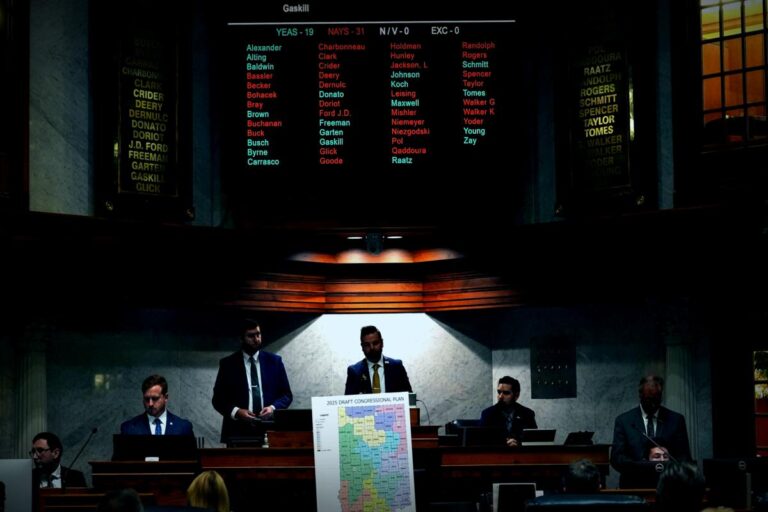



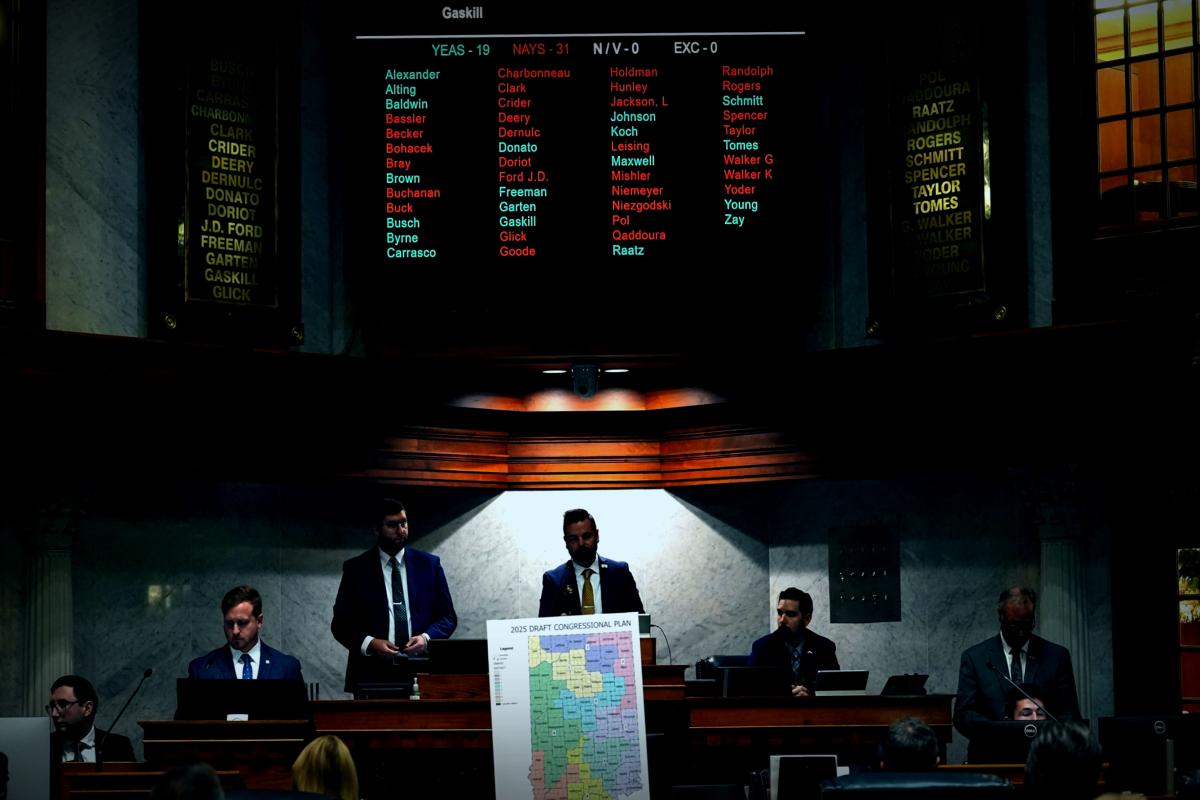
On Thursday, lawmakers in Indiana made headlines by rejecting a bill that aimed to create a new congressional map favoring Republicans. The vote didn’t go the way supporters hoped—19 Senate votes backed the proposal, while 31 did not, with 26 approvals necessary for it to pass.
Currently, Indiana’s congressional delegation consists of seven Republicans and two Democrats. Changes to the map could have potentially secured more seats for the GOP ahead of the 2026 elections as they work to hold a slim majority in the House and support the agenda of former President Donald Trump.
This proposed map, which was expected to shift the balance of two Democratic-occupied districts further towards the Republicans, met with backing not only from Trump but also from Indiana’s governor.
The rejection of this congressional redistricting plan stands out, considering it reflects a not-so-common rejection of Trump’s influence from a traditionally Republican state.
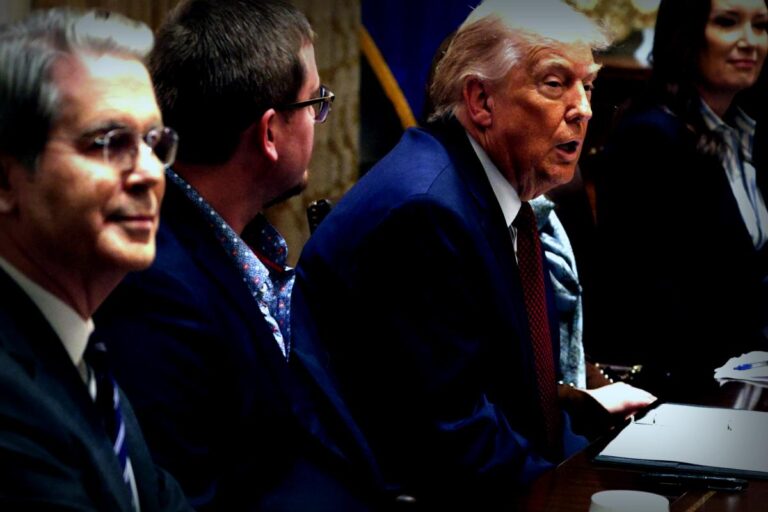
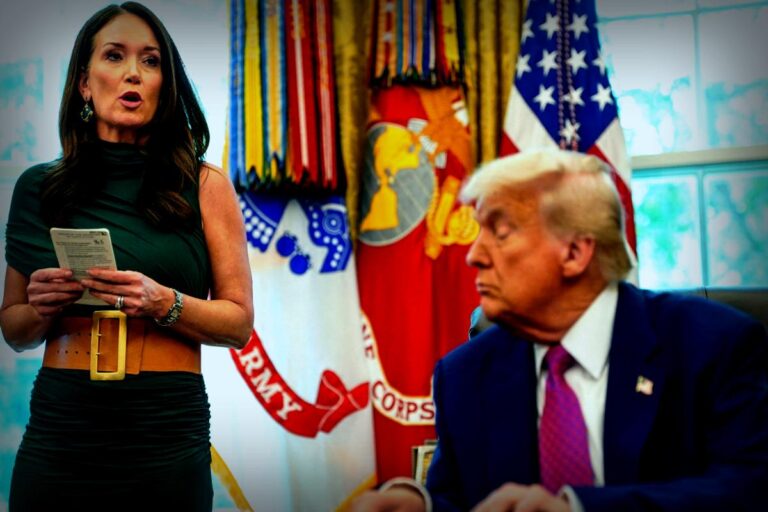
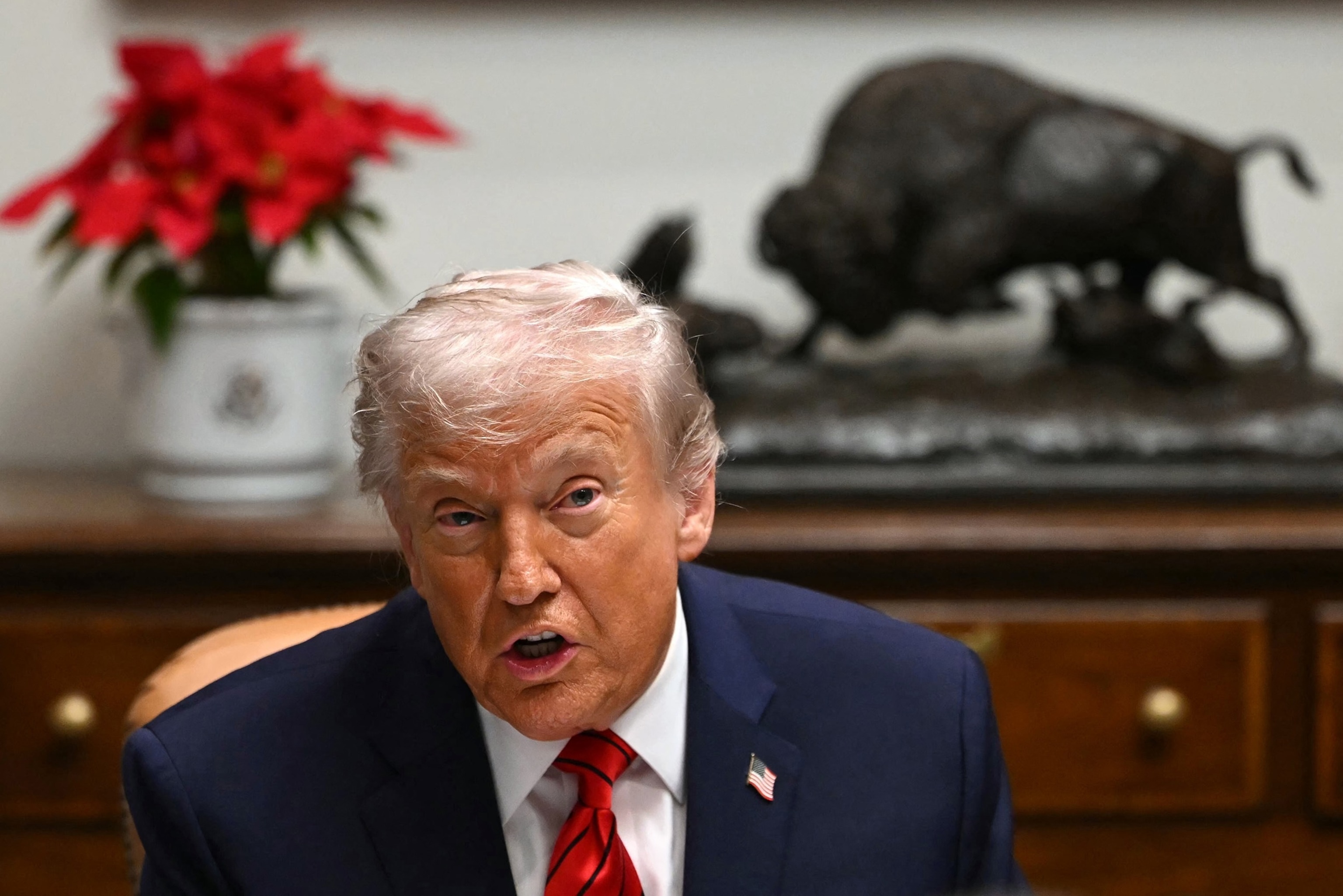
After the vote, Trump remarked to the press that, despite his online call-to-action regarding the redistricting situation, he claimed he “wasn’t working on it very hard.” He did not hold back in expressing his disappointment, signaling potential political consequences for state Senator Rodric Bray, who was a pivotal voice against the bill.
“He’ll probably lose his next primary… he’s doing a disservice,” Trump emphasized regarding Bray.
Before the deciding vote, Trump urged voters on social media to approve the map “AS IS”, suggesting it would secure a significant victory for the Republicans throughout Indiana and the nation.
However, prevailing sentiment among many Republican senators stood against redistricting, with many stating their constituents were not in favor of any changes. This sentiment kept popping up during lengthy discussions on the senate floor, where numerous Democrats articulated their opposition and even one Republican called out the undue pressure faced by lawmakers.
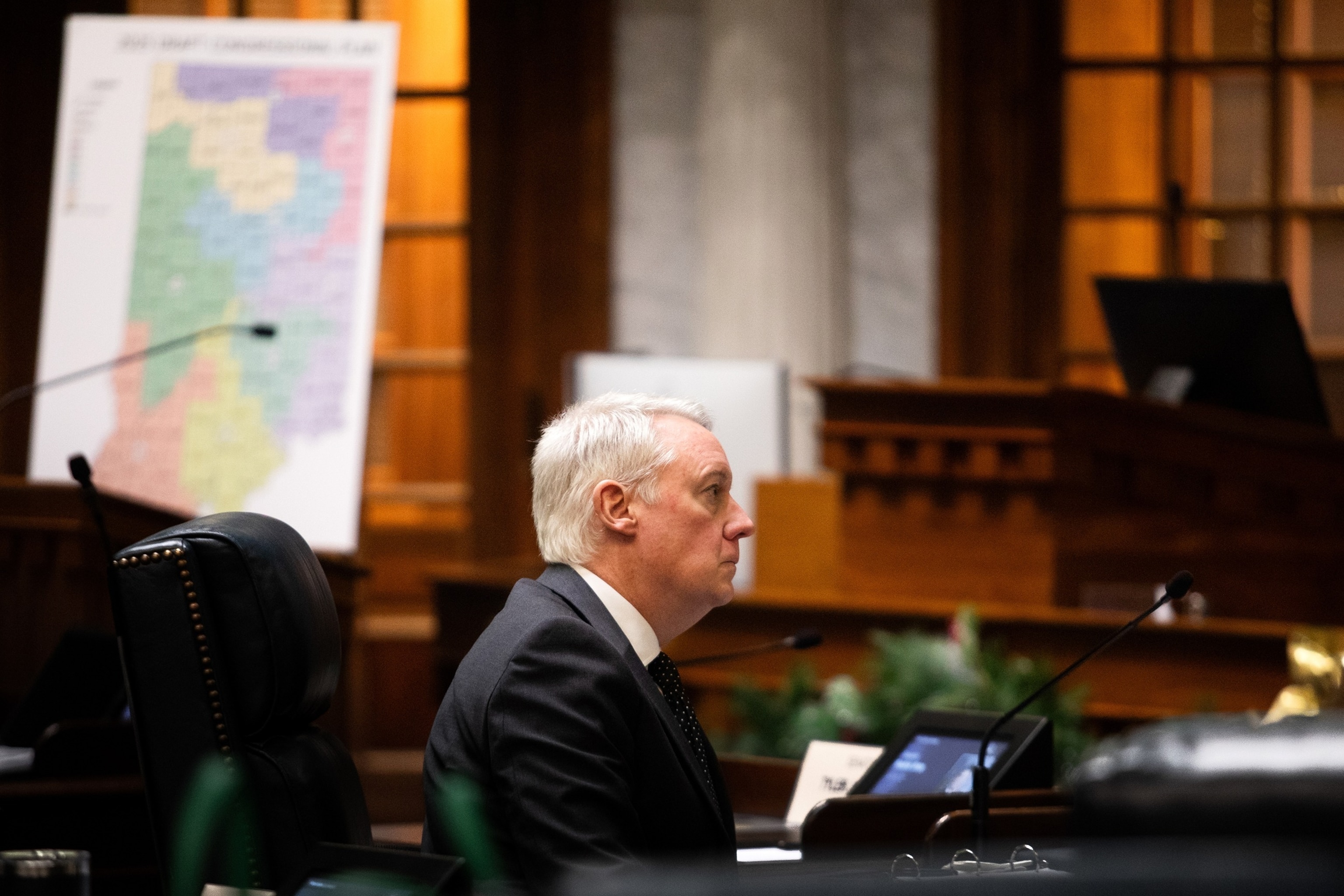
For instance, Senator Goode, who mentioned past threats against himself regarding this issue, argued that his constituents overwhelmingly disapproved of this attempt at mid-decade redistricting.
“The majority view among residents in District 38 is to oppose HB 1032,” he declared. Many constituents were also worried that this new map would disrupt county lines, relocating rural areas into districts alongside urban ones like Indianapolis, potentially undermining local representation.
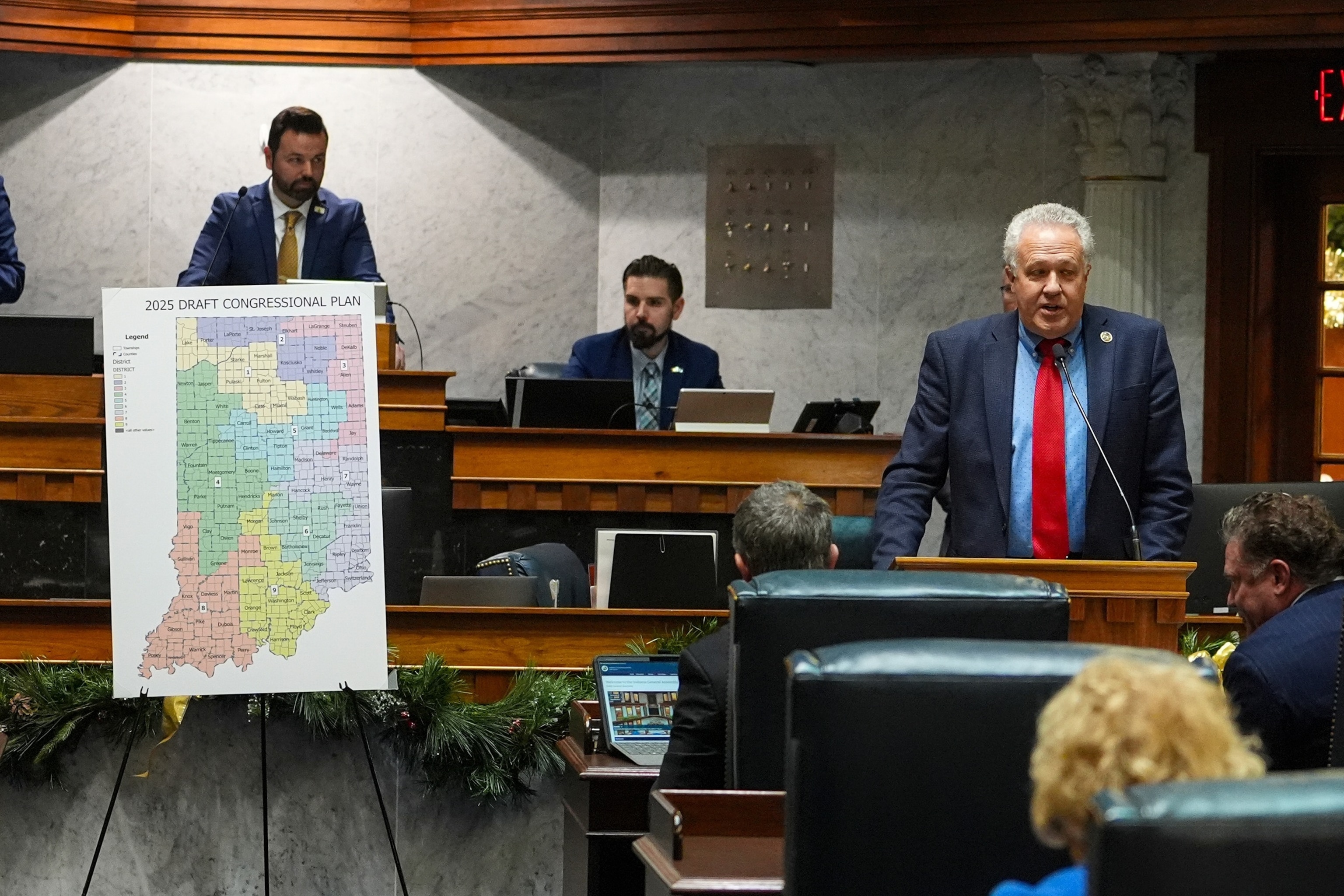
Goode’s argument hinged on the founding principles of American democracy; urging faith in the decennial census to ensure fair representation. He claimed that political pressures and threats posed to his colleagues to guarantee support for the proposed map were unacceptable.
“This is about misinformation, aggressive social media posts, and even violence,” he expressed. “We’re better than this!”
Democratic senators unified in their opposition to the new congressional map. Senator Mark Spencer stressed that his constituents were clear in their disconnect from the proposal, asserting that representation extends beyond mere geography.
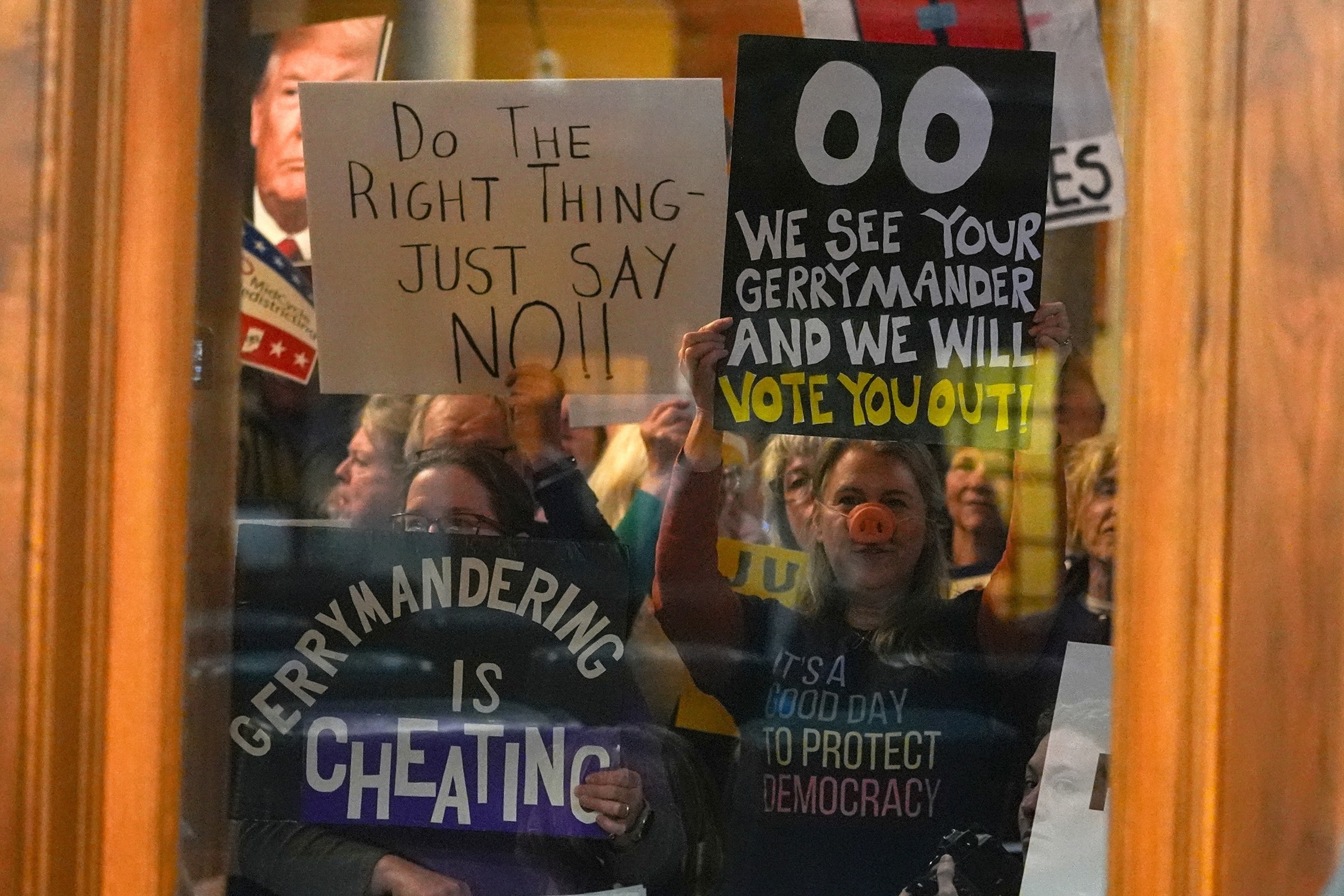
Senator Spencer Deery, also a Republican, including threats directed at him, took a patriotic stance against the plan, emphasizing a belief in the people’s power to dictate elections free from external pressure.
Although a few Republican senators argued in favor of the redistricting changes, focusing on the potential electoral gains, many stated a strong concern about the risks of contesting the House after the upcoming elections.
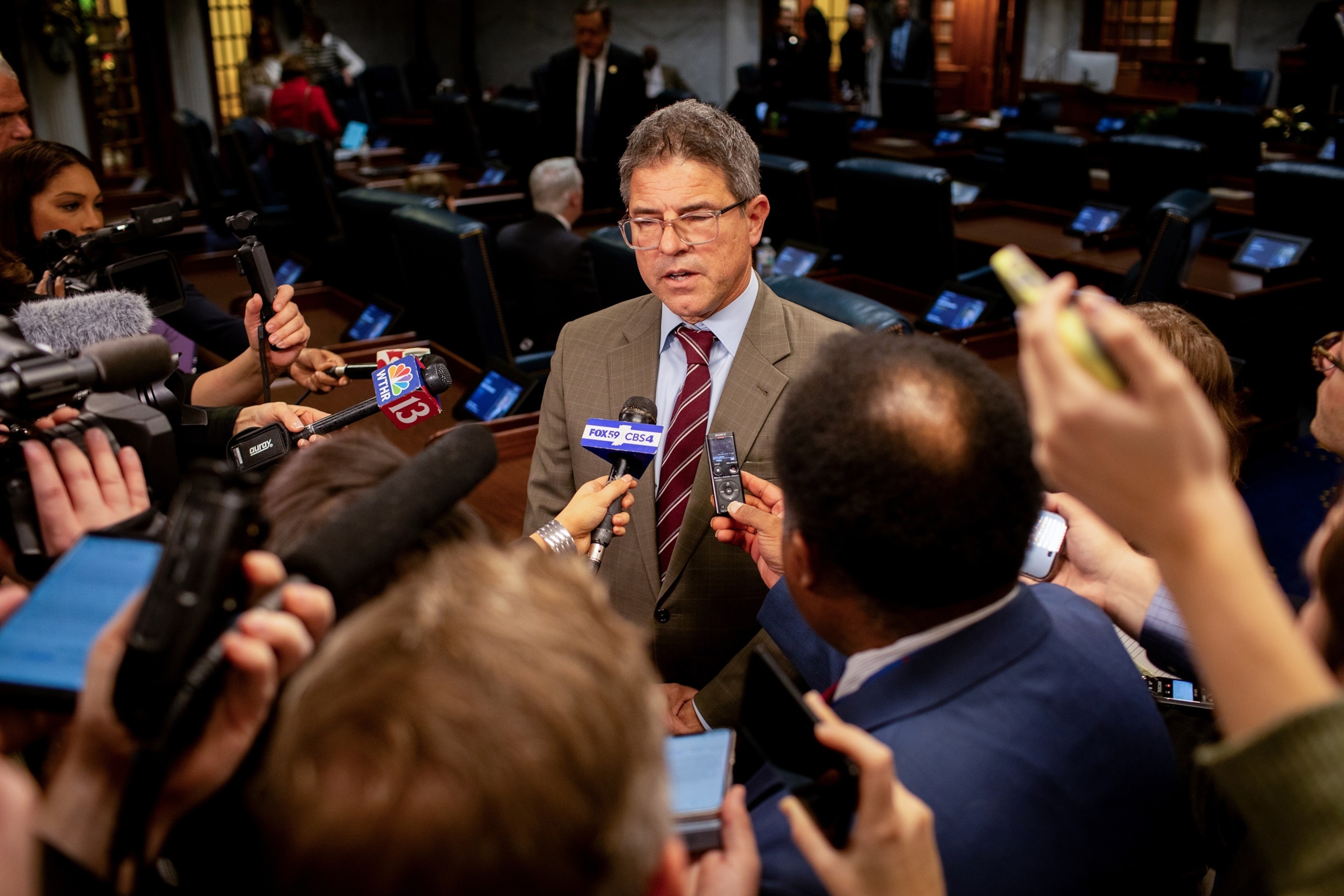
Political pressure within the Republican party has been fierce, particularly from conservative groups threatening repercussions at primaries for state senators unwilling to endorse mid-decade redistricting. Groups like Club for Growth engaged in strong campaigning to coerce supportive votes.
David McIntosh, Club for Growth’s leader and a former Indiana congress member, voiced his understanding of resistances against the redistricting, noting Indiana’s historically conservative nature both ideologically and procedurally.
The bill had survived the committee hurdles and preliminary votes but ultimately failed on the Senate floor, highlighting the varied stances among Indiana lawmakers on pivotal Republican strategies for the future.