


Following a confidential briefing with military officials regarding a recent attack on a suspected drug trafficking ship, two prominent lawmakers emerged with opposing opinions that reflected party divisions.
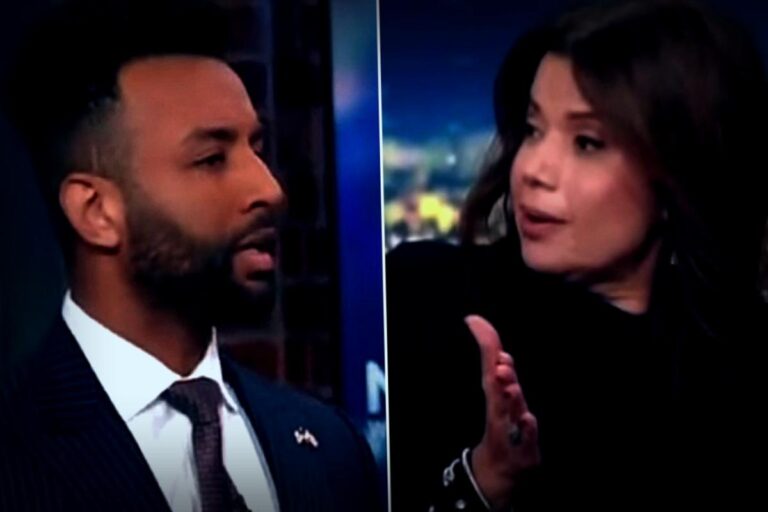
Representative Jim Himes, a Democrat from Connecticut and the House Intelligence Committee’s ranking member, was particularly troubled by a video presented during the meeting. He pointed out, “Any American who views the footage I saw would witness U.S. military forces targeting sailors who are shipwrecked—sure, they were engaged in illicit activities, but they were clearly not in a position to retaliate.”
In contrast, Arkansas Republican Congressman Rick Crawford defended the second strike, arguing it was justifiable given the mission parameters. “We shouldn’t be taken aback when we deploy personnel and they execute their assigned tasks,” Crawford stated.
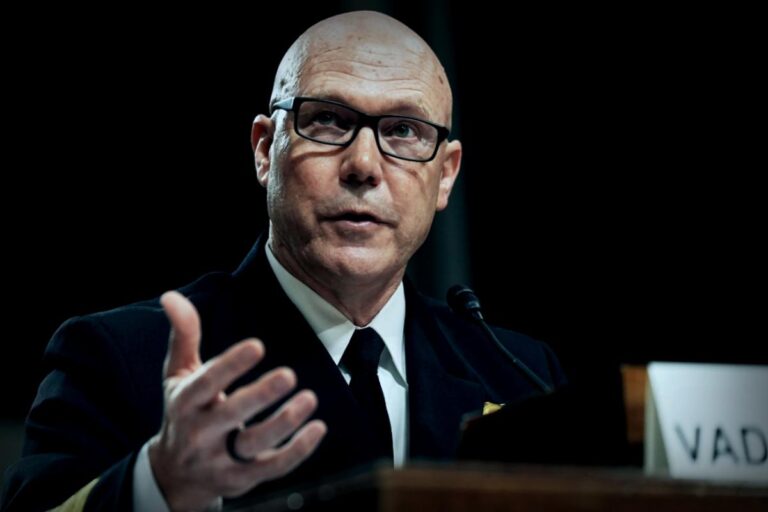
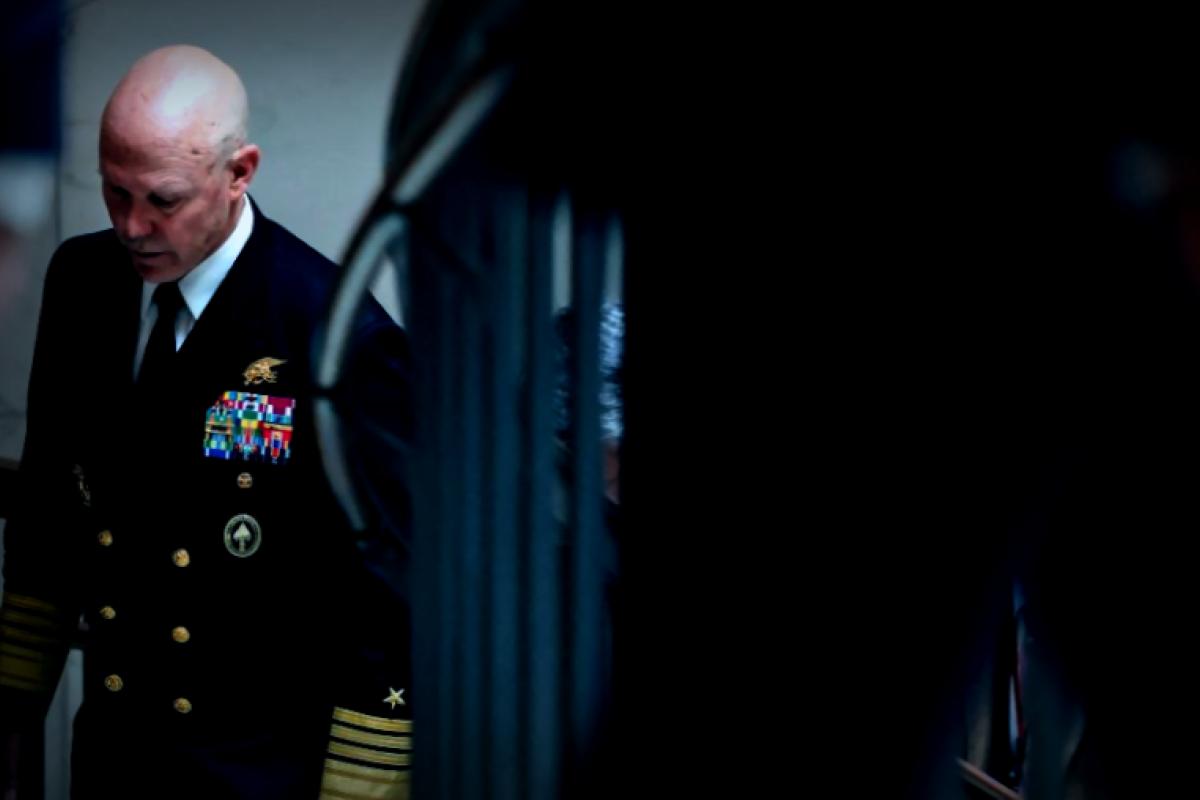
On Thursday, Admiral Frank “Mitch” Bradley appeared on Capitol Hill for a series of private discussions with lawmakers, aiming to justify the controversial secondary strike that resulted in the deaths of survivors after the initial attack failed to sink the vessel.
This incident has led to heightened scrutiny of President Donald Trump’s military strategies in the Caribbean. A significant number of lawmakers from both sides are questioning the legality of such operations, particularly after reports criticized the September 2 strike, with some hinting at potential war crimes.
The critiques began to surface more publicly when CNN and other outlets disclosed that the military executed a follow-up strike after the first hit did not take the ship down. There is a longstanding legal principle treating it as a war crime to kill those in distress at sea, described in the Pentagon’s own military law guidelines.
Himes pointed out the contradiction of attacking individuals who were clearly in distress and unable to defend themselves: “Two people in visible distress, with no means to escape and a wrecked vessel, were killed by U.S. forces.”
In defending the follow-up strike, Pentagon officials contended that the survivors were still considered threats since they had signaled for assistance and could pose a risk if rescued, potentially resuming drug trafficking operations.
Bradley was expected to present a similar defense in front of legislators, marking the first of many meetings as he worked to explain the military’s actions.
Brian Finucane, an attorney with extensive experience in wartime legal matters, criticized the Defense Department’s rationale. He argued, “Even under a hypothetical armed conflict situation, calling for rescue doesn’t strip the status of being ‘shipwrecked’. If that argument were valid, it would undermine the protections that exist for those stranded at sea.”
The details surrounding the timing and orders for the dual strikes have remained tangled since they first hit the news over the weekend. Originally, Defense Secretary Pete Hegseth discredited reports about a second strike as misleading, only for a White House spokesperson to later confirm the second attack had indeed taken place, organized by Bradley.
During the meeting, Himes noted that Bradley clarified Hegseth did not specifically instruct to “kill them all,” contradicting earlier claims from sources that suggested Hegseth commanded that all individuals on board be neutralized. It wasn’t clarified if Hegseth was aware of any survivors present.
After attending another meeting, Hegseth stated he had witnessed the original strike but left prior to the second one and was informed of it hours later.
Crawford confirmed that it was his understanding that Bradley had called the second strike. He expressed confidence in the oversight into Hegseth’s actions, telling CNN he had no remaining questions regarding the Defense Secretary’s involvement.
However, the exact wording of Hegseth’s directives regarding this and previous military operations remains murky.
This article will be updated as new developments arise.
For the latest updates, you can follow CNN on CNN.com.