

Supreme Court’s Decision
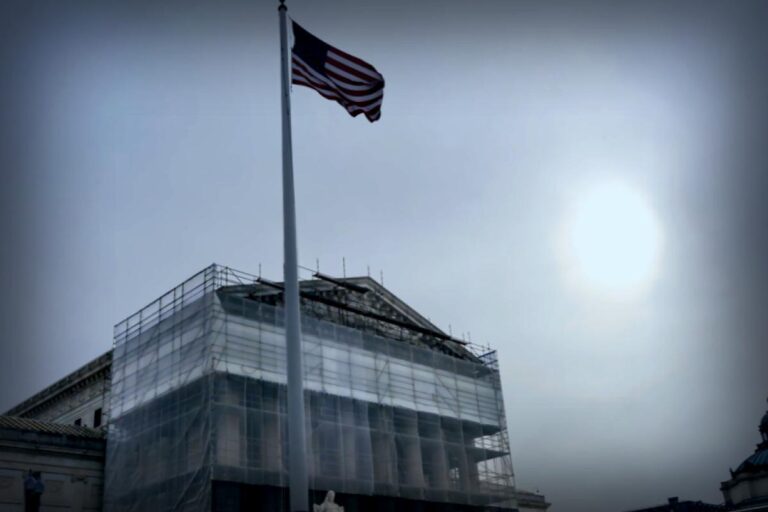
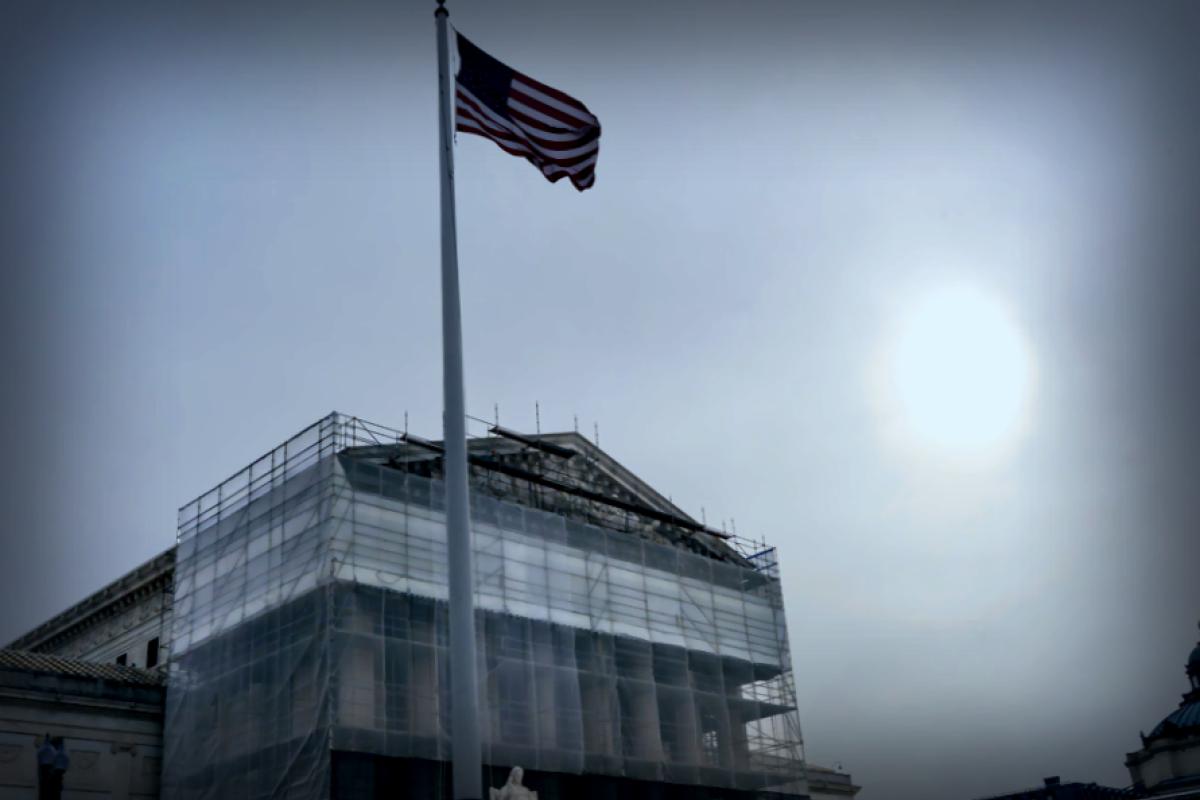
WASHINGTON (AP) — On Tuesday, the U.S. Supreme Court declined a request from the Trump administration to send National Guard troops to the Chicago area as part of its immigration enforcement. This marks a notable defeat for Trump’s agenda to deploy military force within American cities.
The Court’s refusal to overturn a ruling from U.S. District Judge April Perry, which blocked troop deployments, signifies more than a mere setback. An appeals court also upheld this initial ruling, and it took the Supreme Court over two months to respond.
Notably, three justices — Samuel Alito, Clarence Thomas, and Neil Gorsuch — publicly opposed this decision.
While the order isn’t a conclusive verdict, it sets a precedent impacting ongoing legal challenges against Trump’s military moves in various cities led by Democrats. The ruling states, “At this preliminary stage, the Government has failed to identify a source of authority that would allow the military to execute the laws in Illinois.”
Justice Brett Kavanaugh agreed with the ruling but suggested that the president should have more flexibility for potential future troop deployments.
This decision represents an unusual defeat for Trump, who has enjoyed a string of victories in similar emergency cases since resuming office in January. The conservative-oriented court had previously backed Trump, permitting actions like banning transgender individuals from military service and reclaiming federal funding.
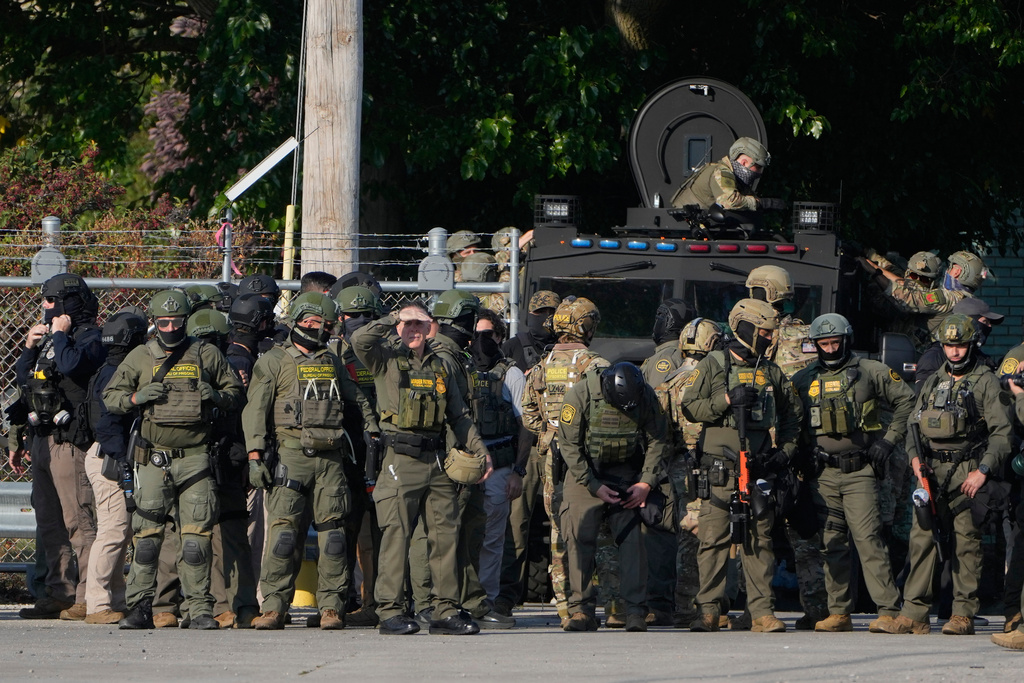
Illinois Governor JB Pritzker praised the court’s decision as a win for not just the state, but for the country at large. He emphasized that citizens shouldn’t have to worry about “**masked federal agents**” on their streets and that their civil liberties shouldn’t be attacked.
Contrary to Pritzker’s remarks, White House press secretary Abigail Jackson defended the president, stating that the military presence was aimed at protecting federal personnel and property from what she termed “violent rioters.” She insisted that the ruling does not undermine the administration’s objectives in keeping Americans safe.
In their dissent, Alito and Thomas argued against the dismissal of Trump’s need for the National Guard to enforce immigration laws, while Gorsuch mirrored this sentiment, albeit with reservations related to the assertions of federal law enforcement officers.
The administration had aimed to mobilize troops from Illinois and Texas, but about 200 National Guard personnel from Texas were ordered back home prior to this ruling.
Historically, Trump’s team claims such deployment was necessary to thwart “violent resistance” to immigration law enforcement. However, Judge Perry pointed out a lack of credible evidence indicating unrest in Illinois, stating protests had not interfered with Trump’s immigration enforcement initiatives.
Perry initially prohibited troop deployment for a two-week window, only to later extend this order indefinitely while the Supreme Court reviewed the situation.
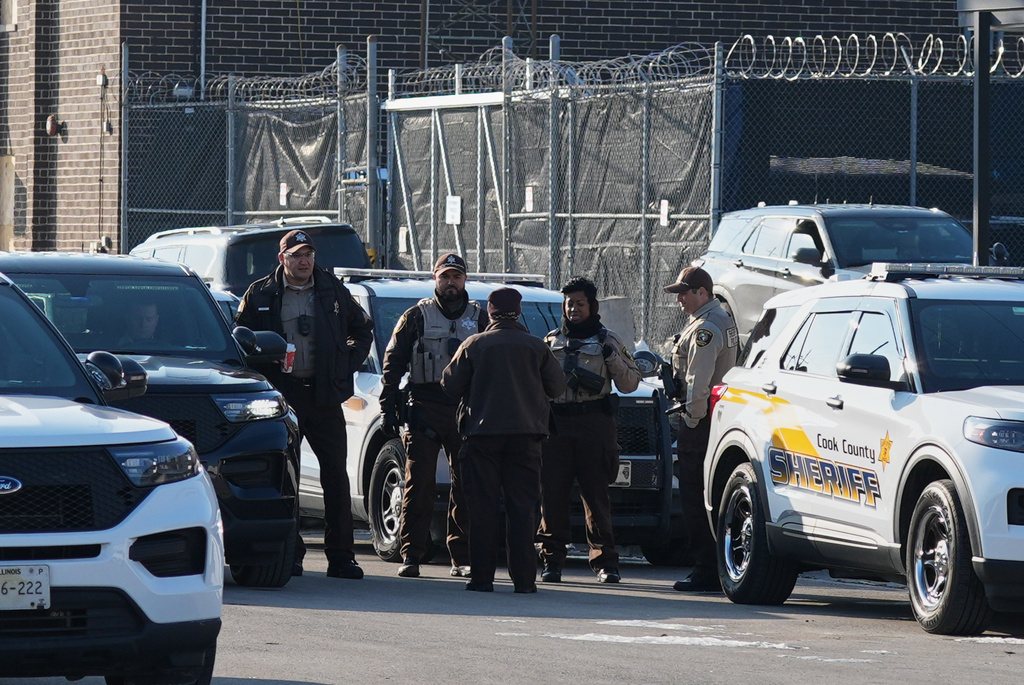
Instances of tension at the U.S. Immigration and Customs Enforcement facility in Broadview, a suburb in Chicago, illustrate the volatility of the dialogue on immigration enforcement. Previously, federal agents resorted to tear gas against protesters, leading to arrests and injuries among local law enforcement during demonstrations outside this facility.
The case regarding Chicago is only one of many legal fights surrounding the use of National Guard troops. D.C. Attorney General Brian Schwalb is currently suing to pause deployments in the nation’s capital, gaining split support from various states on the issue.
Federal judge rulings in California, Oregon, and Tennessee have challenged the administration’s authority on deploying troops domestically. Specifically, recent rulings deem deployments in places like Los Angeles as illegal.
The Trump administration is moving ahead with appeals in the California and Oregon cases to the 9th U.S. Circuit Court of Appeals.
___
Contributions to this report were made by Lindsay Whitehurst and Sophia Tareen.