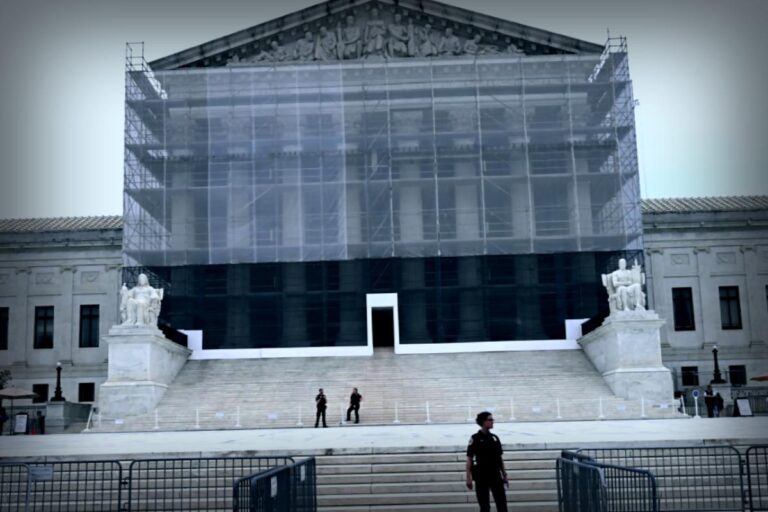


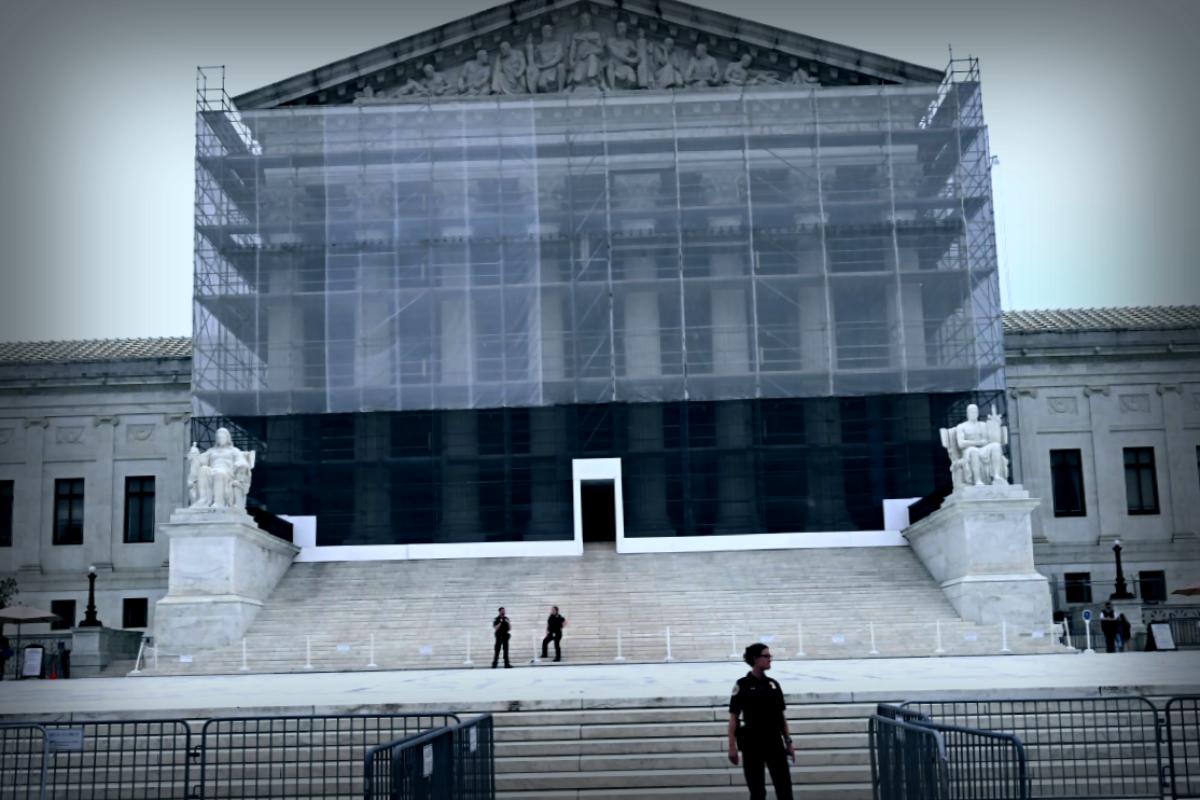

The Supreme Court is gearing up to rule on whether President Trump can restrict birthright citizenship for children born in the U.S. This could result in a pivotal decision on a major policy push of the president.
On Friday, justices decided to take on the Trump administration’s appeal against a lower court’s ruling that deemed the president’s executive order aimed at eliminating birthright citizenship unconstitutional.
This is the second time this issue is on the Supreme Court’s table. Back in June, the conservative majority curbed the authority of lower court judges to grant nationwide injunctions, after the Trump administration contested the limitations placed on the president’s order.
Now, the court will deliberate on whether Trump has the right to refuse citizenship to any child born on U.S. soil when neither parent is a U.S. citizen or holds permanent residency.
A few courts have already indicated that Trump’s directive, announced at the beginning of his second term, breaches the 14th Amendment. Traditionally, this amendment has been seen as granting citizenship at birth, with exceptions made only for the children of foreign diplomats or foreign military personnel stationed in the United States.
The Trump administration contests this interpretation.
U.S. Solicitor General John Sauer argued that the 14th Amendment was instituted to ensure citizenship for African Americans and their offspring, who were freed from slavery, and not for children of undocumented immigrants or individuals temporarily residing in the U.S.
He added that allowing undocumented immigrants to secure citizenship for their children in such a manner undermines the value and significance of citizenship, especially for those who seek it through lawful paths.
This case arose from a class action initiated by the parents of two babies born in the U.S., along with a pregnant woman who has since given birth. They urged the Supreme Court to dismiss the government’s appeal, emphasizing that this matter was already resolved in the 1898 case United States v. Wong Kim Ark.
That landmark decision involved a man born in America to Chinese immigrant parents, confirming the Citizenship Clause of the 14th Amendment as a guarantee of citizenship for all individuals born on U.S. territory.
The challengers’ attorneys argue that the government’s position is nothing more than a mix of historical inaccuracies, irrelevant citations, and newly inked doctrines driven mainly by policy preferences.
Cecillia Wang, one of the attorneys representing challenging parents, expressed confidence from the American Civil Liberties Union, looking forward to resolving the birthright citizenship debate. She stated, “No president can alter the 14th Amendment’s essential promise of citizenship.”
This case adds another layer to the Supreme Court’s plenary agenda of significant disputes scrutinizing the boundaries of Trump’s authority and the legality of his policy decisions.
In November, the justices heard debates on whether Trump has the jurisdiction to impose extensive global tariffs. It’s anticipated that a verdict in that tariff case may fall shortly before or after the New Year. The court is also pondering whether Trump can dismiss independent agency officials at will.
The arguments regarding birthright citizenship are expected to unfold in spring, with a resolution anticipated by the end of June.
For correspondence, reach out to Lydia Wheeler at lydia.wheeler@wsj.com