


The redistricting battle in Indiana took a surprising turn when Republican senators indicated they weren’t swayed by President Donald Trump’s hot-headed rhetoric just before casting their votes. Late-night comments from Trump, where he branded a prominent senator as “a bad guy, or a very stupid one,” didn’t help his cause at all.
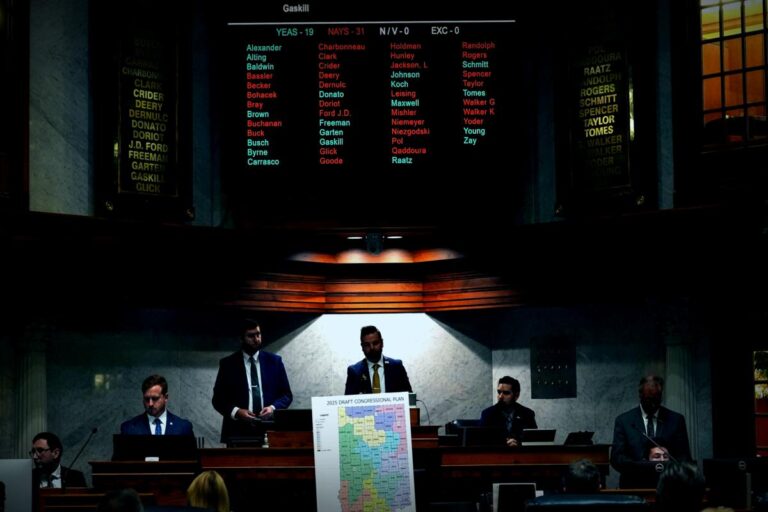
Senator Travis Holdman, who voted against the president’s plans, commented that such remarks do more harm than good. Among 21 Republican senators who opposed Trump’s proposal, Holdman emphasized their discontent with the redistricting initiative, highlighting that it clashed with their constituents’ sentiments.
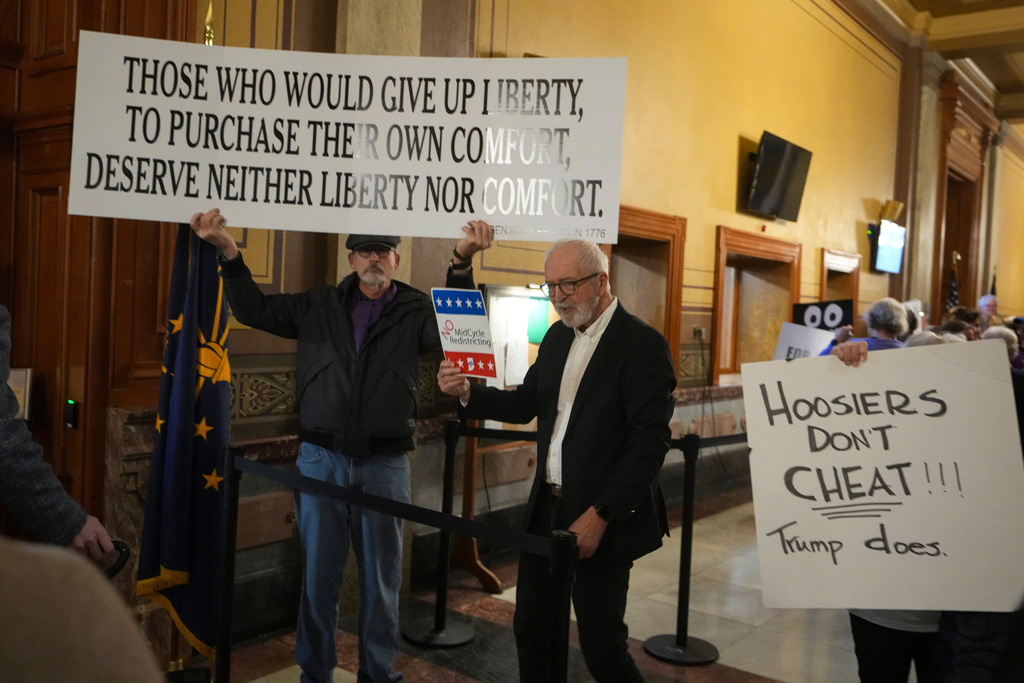
This rejection marks a notable defeat for Trump, undermining his agenda to redraw congressional districts nationwide to bolster his party’s odds in the upcoming midterm elections. Most senators stated they’d been inclined to reject the proposal from the beginning due to the lack of support from their voters. Instead of falling into the harsh political climate dictated by Trump, they opted for a more considerate approach, criticizing not just the policy, but his combative tone – with some senators recalling instances when he labeled them as “suckers.”
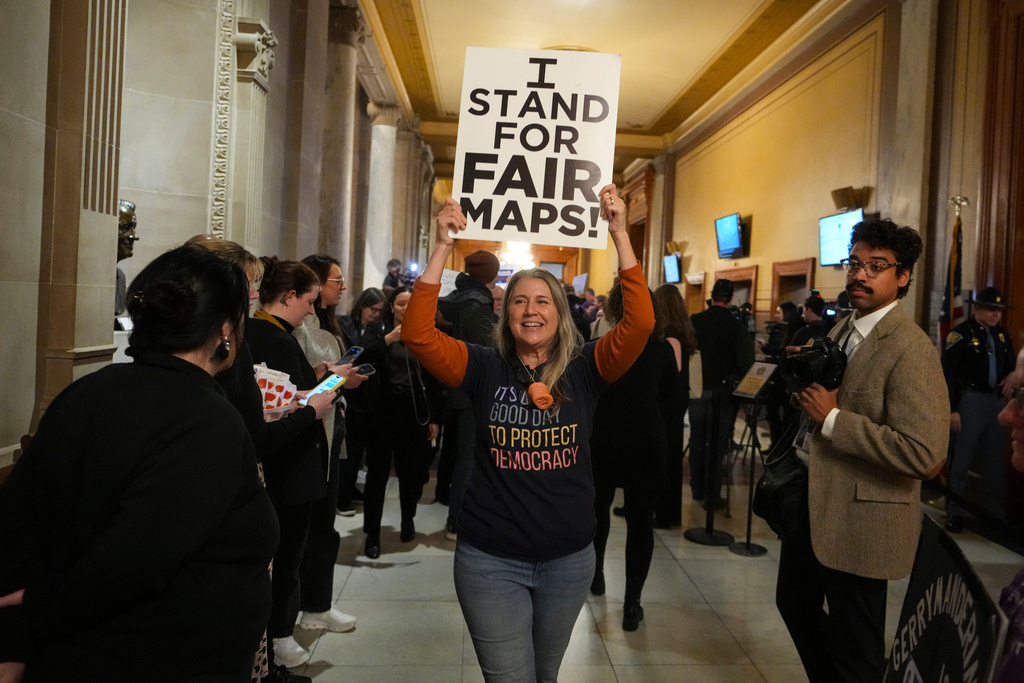
Senator Jean Leising expressed her discontent with Trump’s demeanor, saying it felt rather aggressive. True to form, Trump seemed to disregard the reactions from Indiana, doubling down on his criticisms of Indiana’s elite politicians in follow-up comments, indicating that Senator Rodric Bray would likely face repercussions during his next primary:”He’ll probably lose his next primary, whenever that is. I hope he does, because he’s done a tremendous disservice.”
Senator Sue Glick, another opponent to the redistricting plan, dismissed Trump’s threats, stating he might want to refocus his efforts on electing individuals more aligned with his political views rather than targeting lawmakers who resist him.
Trump’s Lack of Ground Support There
Following the blow of defeat, Trump brushed off the events, making comments that he hadn’t put much effort into it. The reality, however, was that the White House invested considerable time pushing for this initiative, as noted by Senator Andy Zay detailing a rather extensive campaign to sway votes. Vice President JD Vance even met with senators in person multiple times throughout discussions.
Behind the scenes, Holdman highlighted that the White House’s approach was surprisingly warmer than Trump’s public statements. Just days prior to voting, they attempted to soften relations with Senator Bray. Yet, Trump’s posts on social media neglected this subtlety, sounding anything but conciliatory.
In another development, comments that could be deemed derogatory had consequences. Senator Mike Bohacek took particular offense when Trump used harmful language towards Minnesota’s governor, resulting in Bohacek shifting his position against the redistricting. While the White House didn’t give in-depth replies regarding their outreach methods, they distanced themselves from allusions of Trump’s threats concerning funding issues for the state, with spokesman Davis Ingle asserting this notion was unfounded.
Ultimately, despite the rigorous campaign and pressures exerted by the White House, support waned significantly. Holdman turned down an invite to the White House right before the vote, revealing compromises between his schedule and his strong sentiments against the redistricting endeavor.
In a similar vein, Leising brushed off appeals from a White House official right before decision-making, reasoning that she would not alter her stance.”
Mitch Daniels, a former Indiana governor, offered clarity on the trends, noting, “People in our state dislike an approach that seems heavy-handed or bullying,” resounding the sentiments among wary lawmakers seeking to avoid antagonism.
The situation drew disappointing comments from some sides, with Indiana’s Lieutenant Governor Micah Beckwith expressing frustration on social media and implying that such decisions corresponded with a voice by senators who caved under pressure. However, the holdout senators justified their actions straightforwardly—they claimed it stemmed from constituents’ worries and persistent heed against unwelcome governmental manipulation.
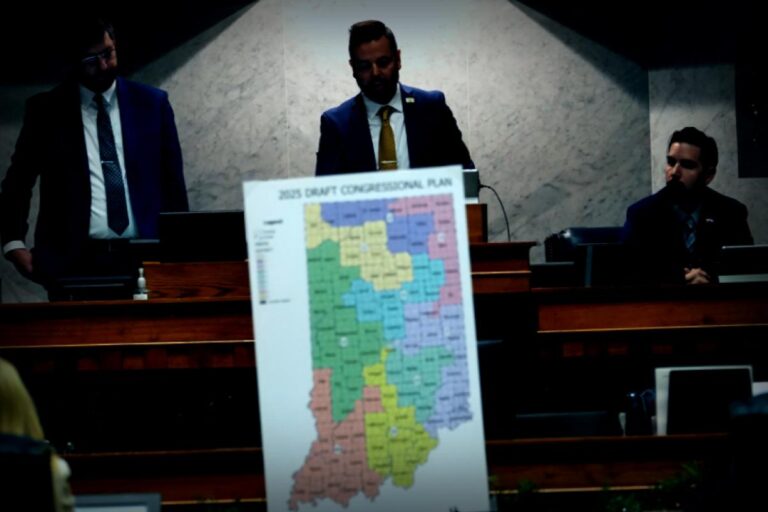
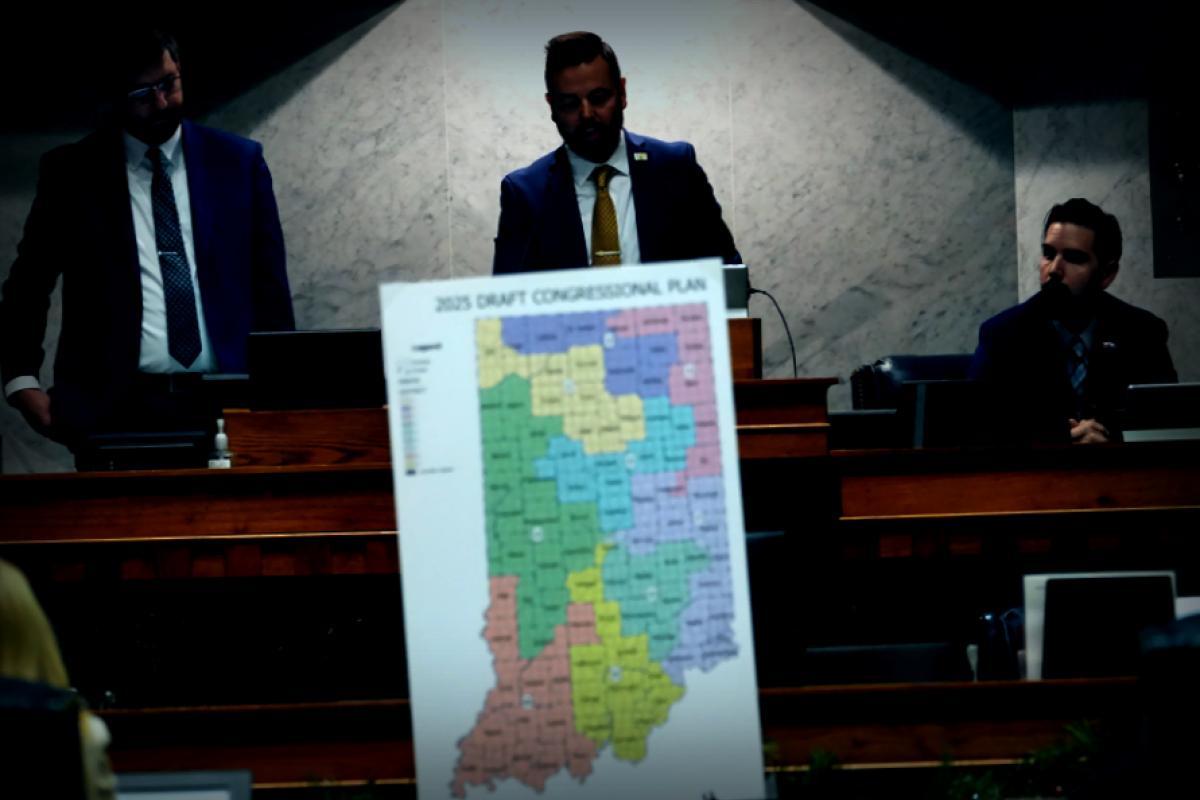
The proposed changes would have significantly redrawn Indianapolis perefereing diluting Democratic’s sights, causing apprehension for those living in smaller towns bordering Kentucky and Ohio concerned about empowering the state’s urban cores.
Reiterating the resonant sentiment, Holdman confirmed, “Constituents just simply didn’t want it,” making a crux of frustration. As the debate heated up, several allies felt torn by defying Trump but hoped their decisions would prove genuine to their electorate’s preferences, with Senator Greg Goode, who directly spoke with Trum in wavering evaluations, stating he would not support the bid in the end.
Ultimately, the fallout shows an anecdote of generals unswayed and a defeated battle taken on Trump’s part, raising critical questions about allegiance and local governance.