



WASHINGTON – President Donald Trump is gearing up to announce a significant support package worth $12 billion aimed at helping farmers hit hard by aggressive trade policies from other nations and rising agriculture costs, as confirmed by a White House insider.
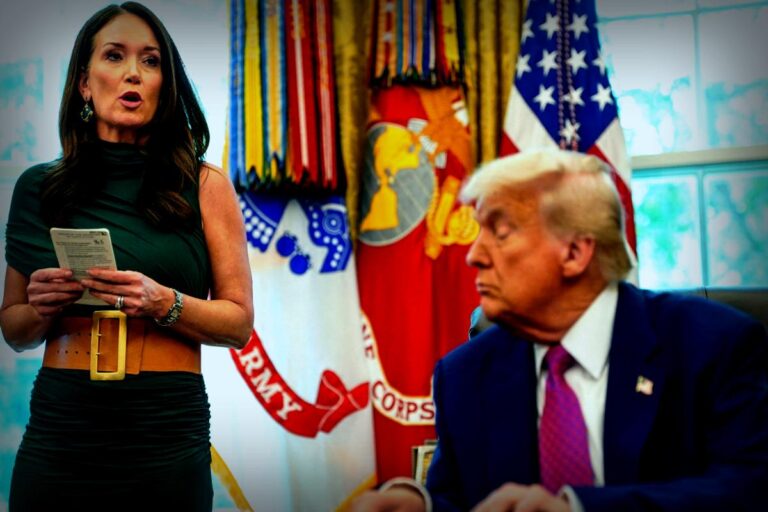
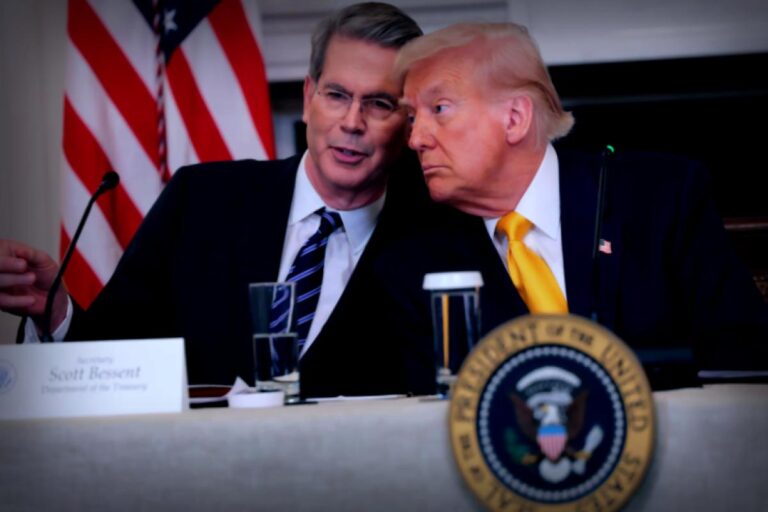
We can expect Agriculture Secretary Brooke Rollins and Treasury Secretary Scott Bessent to be present for this reveal at 2 p.m. ET. Farmers across sectors—from cattle ranchers to producers of soybeans, cotton, and potatoes—are also set to attend.
According to Anna Kelly, a spokeswoman for the White House, Trump is working on promising trade deals that will expand export options for farmers. She made a comparison with current economic challenges, like achieving a $1.2 trillion trade deficit and inflation in farming costs during the Biden administration.
“This announcement showcases our president’s dedication to supporting our farmers, who will receive the necessary help to navigate the challenges posed by Biden’s policies,” Kelly stated.
Bloomberg was the first to report on this proposal on December 7, with insights from a White House source. The Wall Street Journal also covered the plan extensively.
What’s Inside Trump’s Farm Aid Package?
Out of the total amount, $11 billion will fund a new initiative known as the Farmer Bridge Assistance program. This will provide single payments to crop farmers recovering from unforeseen trade disturbances and other related market disruptions.
The additional $1 billion is designated for other crops, and the specific allocations will be made by the U.S. Department of Agriculture based on current market evaluations. This assistance is intended to ensure farmers can confidently manage their current harvest and effectively plan for the upcoming growing season.
Farmers Demand Immediate Support
Trump has hinted about providing this support to farmers for quite some time, especially in light of ongoing trade disagreements. Recently, he completed a trade agreement in October with China, which is a major consumer of U.S. soybeans.
However, soybean futures in Chicago plummeted below $11 a bushel on Dec. 8, marking the lowest price since October due to uncertainty surrounding China’s appetite for U.S. exports.
“Under the president’s strategy, these farmers will have a safety net in place if we struggle to sell these commodities,” Rollins told reporters on Oct. 16.
The American Farm Bureau Federation emphasized on Nov. 24 the urgent need for such assistance as the number of bankruptcies in farming is rising, overshadowed by increasing production costs against lower revenue.
Farmers already faced substantial losses in exports to key markets like China following the imposition of tariffs on foreign goods by the Trump administration. Notably, soybean farmers were especially negatively impacted this year because China’s retaliatory actions prompted them to source from Brazil and Argentina instead. Historically, China purchased about half of the soybeans produced in the U.S.
In a Cabinet meeting on Dec. 2, Rollins highlighted that one goal behind the tariffs is to open up more robust trade deals that will allow U.S. agricultural products to reach overseas markets more efficiently.
“I’m always discussing ways to sell more soybeans, more corn, and enhance our export volume,” Rollins mentioned. “The challenge has often been that many farmers leaned towards relying on government aid instead of working the markets effectively.”
Contributing report by: Reuters
This article initially appeared on USA TODAY: Trump’s $12 Billion Aid Announcement for Farmers