
Venezuela is fuming after the U.S. Coat Guard took its second oil tanker this month, asserting it was a clear case of ‘piracy.’
Why This Is Important
For quite a while now, the Trump administration has been ramping up pressure on Nicolás Maduro’s government in Venezuela. Washington has even labeled Maduro as a ‘narco-terrorist’ for allegedly leading illegal drug networks and has put a $50 million bounty for information that could lead to his arrest.
The administration claims that a recent military campaign in the Caribbean and Pacific has resulted in the deaths of around 100 individuals involved in drug trafficking activities, all of this heightened by a significant military presence looming over Venezuela.
On Tuesday, Trump announced plans for a comprehensive blockade of sanctioned oil tankers sailing in and out of Venezuela, insisting that the country is currently “encircled by the largest armada ever gathered in South America.” This continuous pressure, according to Caracas, is unfairly linked to their extensive oil reserves.
The U.S. strategy regarding Venezuela appears to be focused on a shift in government dynamics, as per Secretary of State Marco Rubio’s recent comments reaffirming that altering Venezuela’s political climate is a primary goal.
Key Information
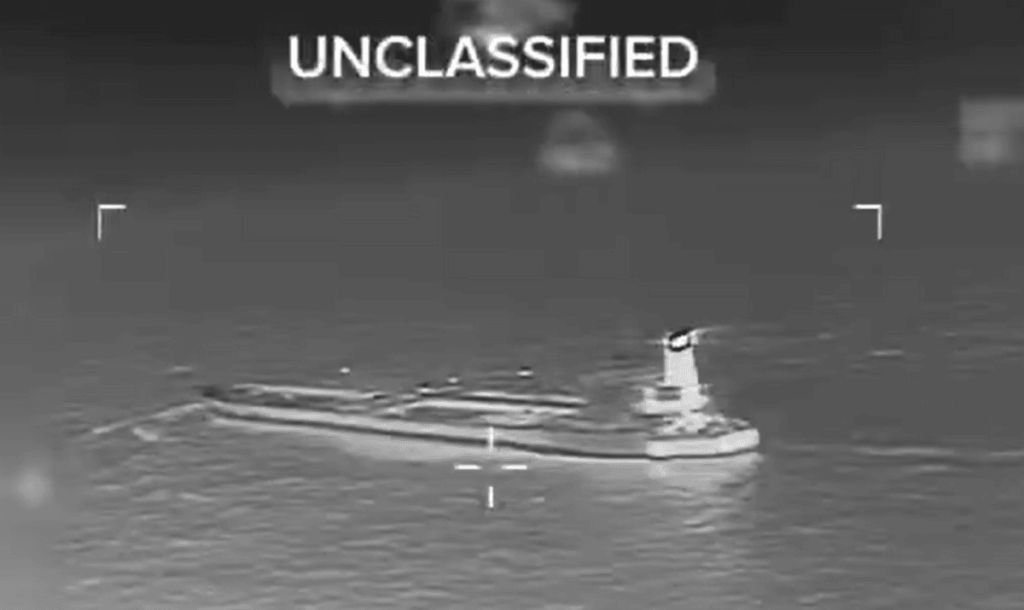
Secretary of Homeland Security Kristi Noem revealed on Saturday that the U.S. Coast Guard carried out the seizure of a vessel last docked in Venezuela during a “pre-dawn action.” The agency she oversees, the Coast Guard, is at the forefront of these operations.
Noem clarified that the U.S. is committed to curbing the illegal transport of sanctioned oil, which she claims fuels narco-terrorism activities within the region. She attributed assistance in the operation to the Pentagon, who has been actively targeting suspected drug trafficking boats since early September.
Venezuela’s foreign ministry firmly rejected this seizure, remarking that it denounced “the theft and kidnapping of a private vessel carrying Venezuelan oil, along with the forced disappearance of its crew.”
They vowed that this “serious act of piracy” would face repercussions, promising to pursue action at the United Nations Security Council and other global forums.
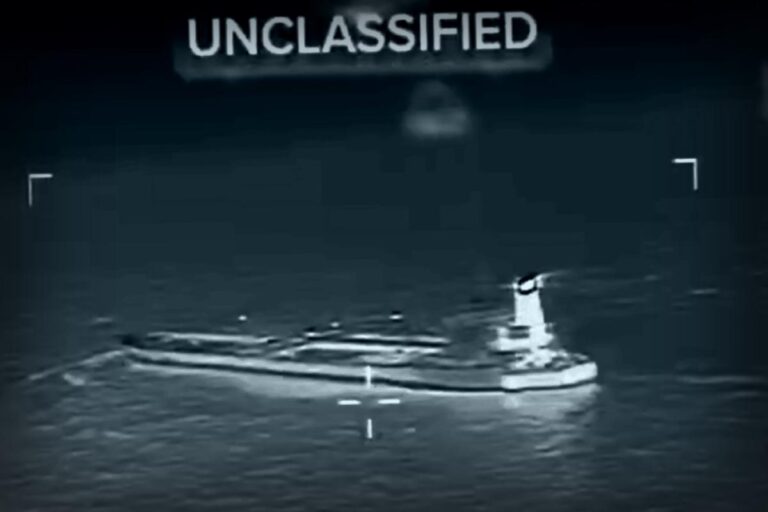
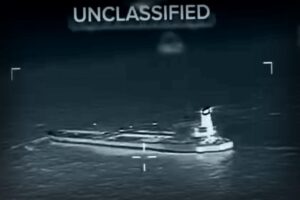
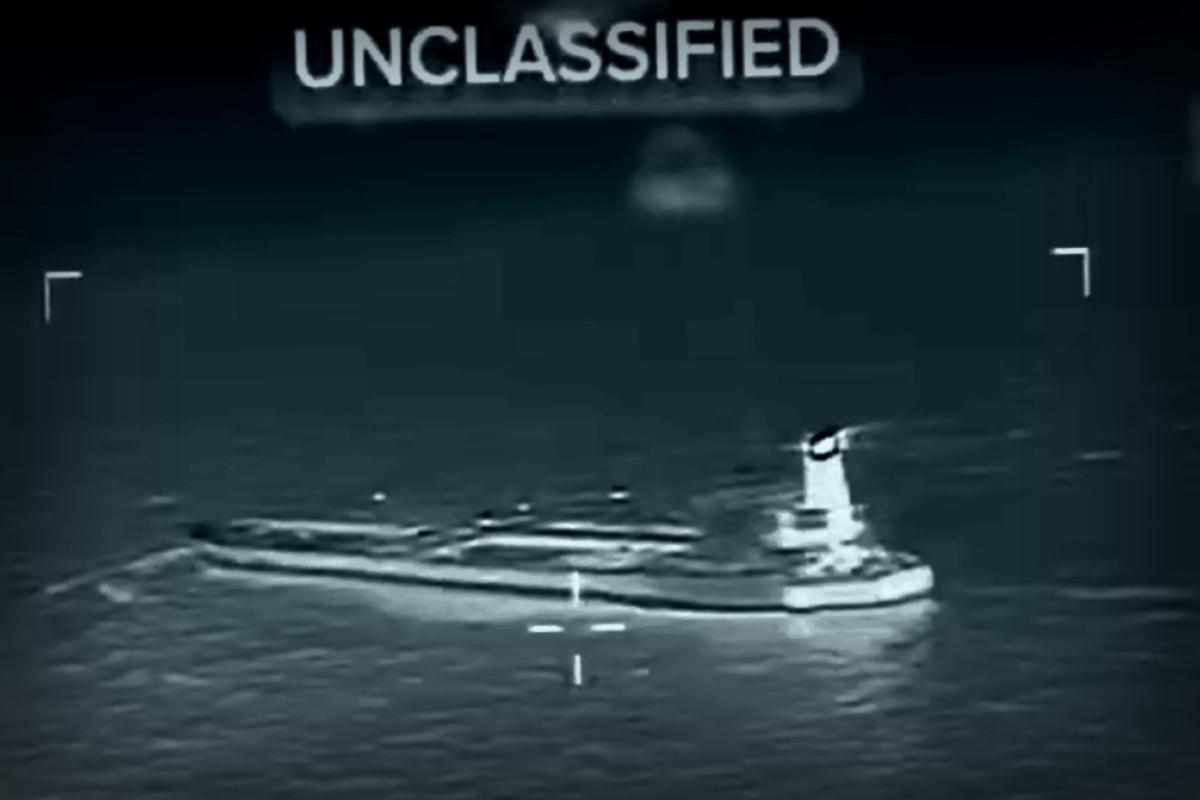
Moreover, Noem also posted a seven-minute footage marked “unclassified,” showcasing U.S. troops landing on a ship named “Centuries.”
According to maritime tracking data, “Centuries” is a crude oil tanker flying the Panamanian flag, identified as operating near Venezuela. Notably, it wasn’t formally listed under any current U.S. sanctions.
The cargo was reportedly meant for Venezuela’s state oil company, Petróleo de Venezuela (PDVSA). Anna Kelly, White House’s deputy press secretary, stated on social media that this boat was “falsely flagged and part of a shadow fleet involved in trafficking stolen oil to support the corrupt Maduro regime.”
The term “shadow fleet” typically describes vessels that navigate past sanctions targeting oil-exporting nations, often referred to as ghost ships.
Remember when Trump shared the news about the first tanker’s seizure on December 10? He claimed it was the “largest ever seized.” Later, this was determined to be a ship called the Skipper.
The Justice Department, just two days later, released an unsealed warrant for the Skipper’s seizure, linking it to support for the Hezbollah militia, recognised as a terrorist group by the U.S. since 1997.
Plenty of discussions have indicated that the U.S. may pursue additional attempts to seize sanctioned vessels close to Venezuela.
Reactions
The Venezuelan government released a statement on Saturday asserting that “international law will prevail, and those accountable for these serious acts will face justice.”
Defense Secretary Pete Hegseth stated, “President Trump has made his stance clear: We will maintain the blockade against sanctioned oil tankers destined for or departing from Venezuela until Maduro’s regime fully returns every asset stolen from the U.S.”
Looking Ahead
It seems that the Trump administration hasn’t completely ruled out a potential strike on Venezuelan territory or a direct confrontation with Maduro’s faction. Still, experts believe a full-on invasion is unlikely. Additionally, Congress recently declined to pass two resolutions aimed at limiting U.S. actions towards Venezuela.