




The latest data reveals that the U.S. economy has outperformed expectations in the third quarter, showcasing strong growth even amidst concerns regarding a sluggish job market and tight wallets among consumers, according to a report released by the federal government.
According to preliminary estimates, the economy grew at a surprising annualized rate of 4.3% for the quarter, improving from a 3.8% increase in the previous three months.
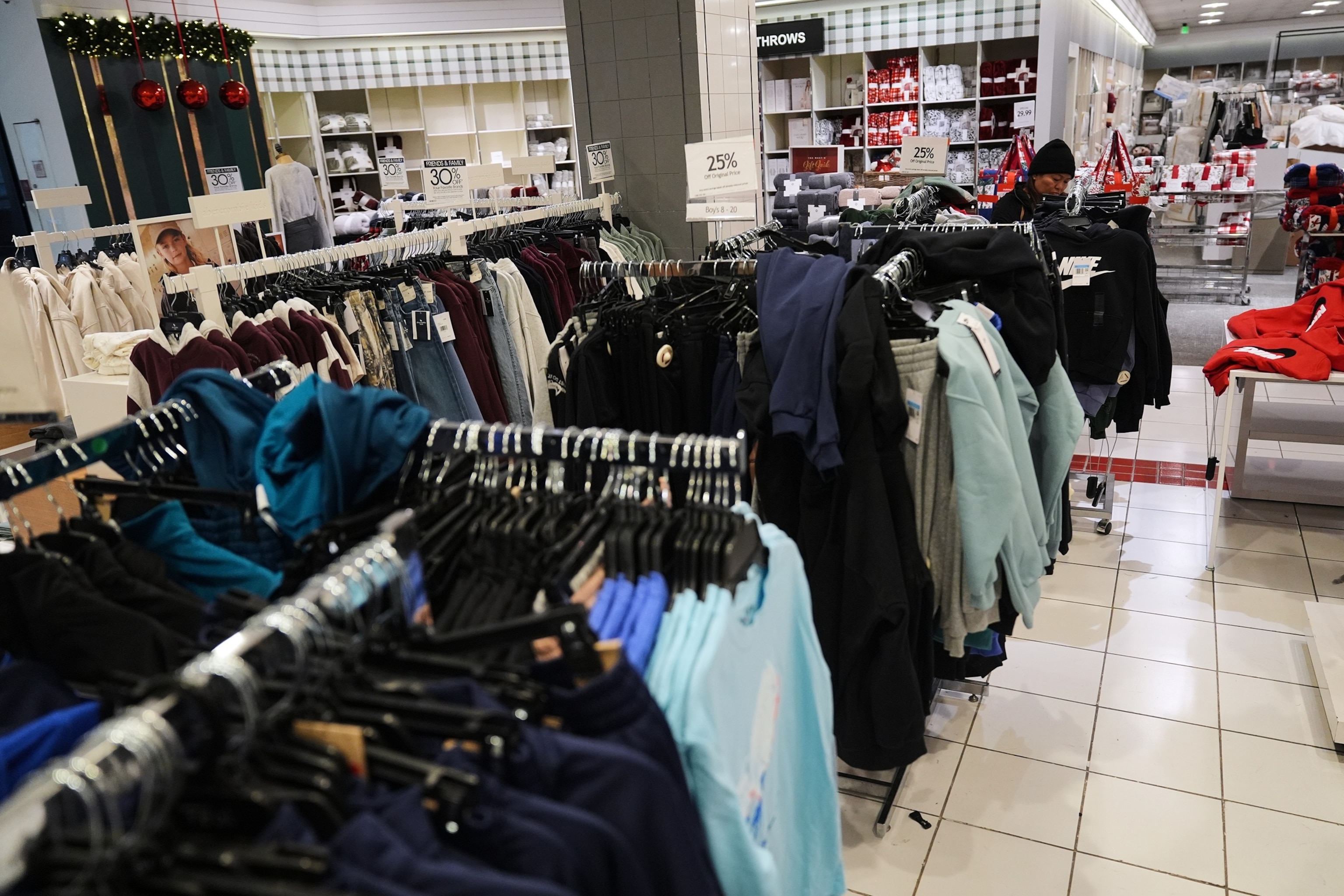
The surge in Gross Domestic Product (GDP) was largely fueled by a rise in consumer spending, which accounts for about two-thirds of the economic activity in the U.S. The Commerce Department noted that increased consumer confidence is a positive sign for future economic health.
The GDP growth figure was also influenced by an increase in exports and a decrease in imports, which might be a consequence of the tariffs introduced earlier this year by President Donald Trump.
It’s important to remember that the GDP calculation deducts imports to reflect domestic production.
Interestingly, this robust growth seems to contradict the fears surrounding the labor market. Recent trends show that hiring has significantly slowed down, with the unemployment rate rising to 4.6% in November from 4.4% just two months earlier. While these numbers are still low by historical references, they mark the highest level since 2021.
On the topic of inflation, it currently stands nearly one percentage point above the Federal Reserve’s targeted goal of 2%, which has created challenges for policymakers. The Fed is caught in the middle, trying to keep inflation in check while also promoting job growth.
Earlier this month, the Fed decided to cut its key interest rate by a quarter percent, marking the third rate cut this year. This adjustment brought the benchmark rate down to a range between 3.5% and 3.75%. Although rates have significantly dropped from their peak in 2023, they remain higher than the near-zero interest rates set at the beginning of the COVID-19 pandemic.