


As we edge closer to the holiday season, people’s spirits aren’t as high when it comes to the President in the White House. Many see him more as a friend to billionaires than as a leader tackling the rising issues of inflation that are squeezing household budgets.
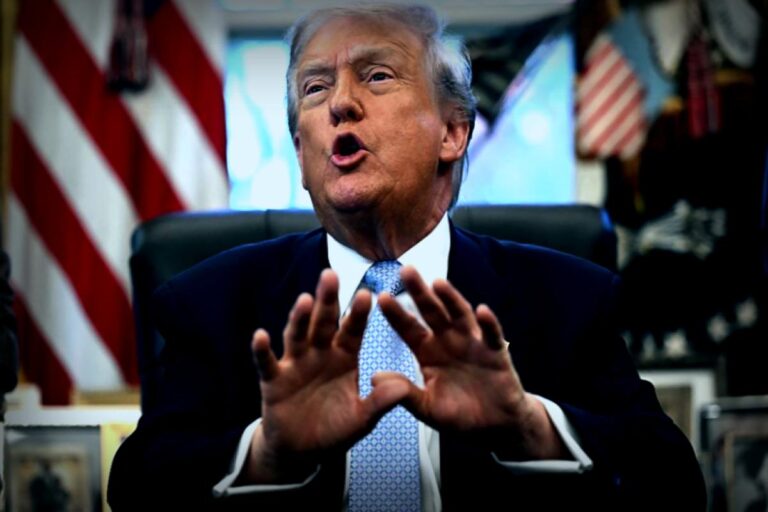
President Donald Trump isn’t too shy about boasting his ability to secure massive investments from flourishing tech giants. Yet, regular Americans are dealing with the harsh reality of high prices at the grocery store. To them, the President’s grand deals aren’t exactly top of mind.
According to a recent poll from Daily Mail and J.L. Partners, which surveyed around 1,250 voters, the biggest grievances boil down to inflation and the overall cost of living under Trump’s watch.
These concerns, coupled with woes over healthcare, could significantly challenge Trump as he enters the second year of his term.
Sarah Selip, the head of 917 Strategies, highlights that come the next election in 2026, the hot topic will be ‘affordability’, indicating the direction voters are leaning.
On the flip side, issues like cryptocurrency regulations, small business policies, artificial intelligence, and energy strategies—areas where the President has dedicated considerable effort—ranked much lower in priority for the average voter.
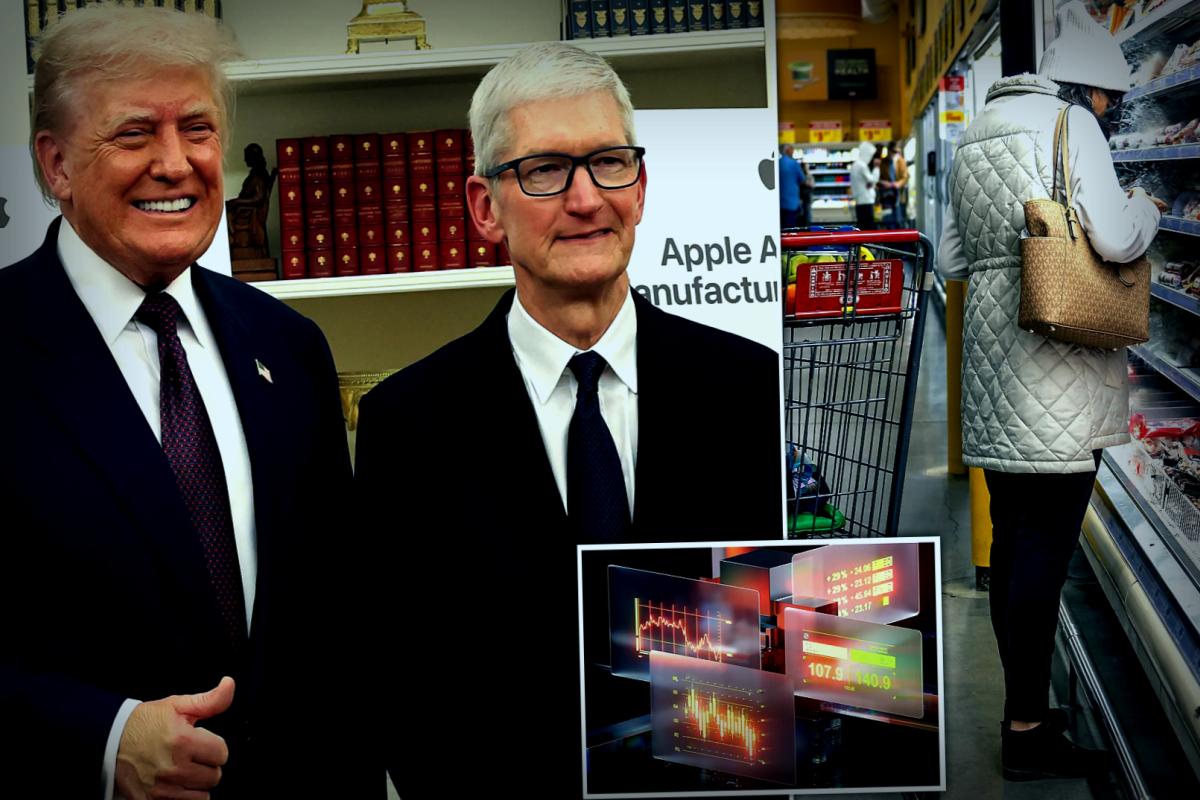
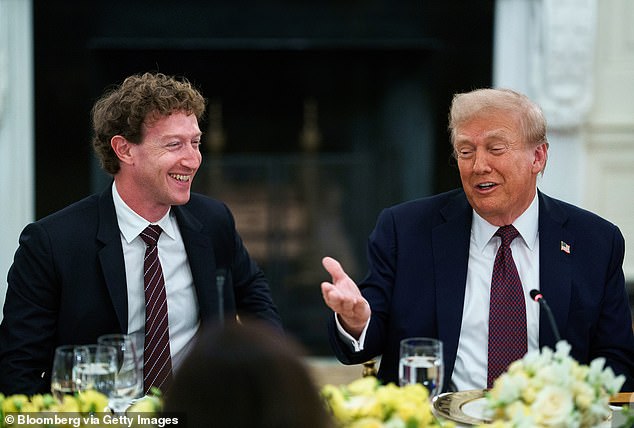
American workers, both blue-collar and white-collar, seem to be losing representation to the gala-attending elite. Throughout September alone, Trump has initiated at least four significant actions on AI while gracing multiple black-tie events with high-profile individuals such as Meta’s Mark Zuckerberg and Apple’s Tim Cook, along with dignitaries like Saudi Arabia’s Mohammed bin Salman and King Charles of the UK.
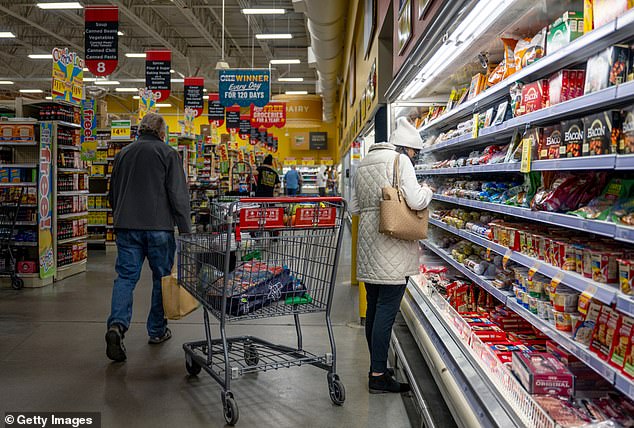
The survey clearly indicated that voters are less interested in tech advancements or regulatory changes while they struggle to pay for essentials. Poll recipient comments affirm that they prioritizing basic necessities over flashy projects from the White House.
Brittany Martinez, executive director of the conservative firm Principles First, echoes this sentiment: ‘Voters are understandably frustrated. The focus seems to be on corporate deals rather than what families can afford each week on groceries, gas, and bills.’
The White House, when pressed about these financial struggles, quickly placed the blame on the prior Democratic administration. Press secretary Taylor Rogers asserted that the current government is working to deliver ongoing relief to families thanks to tax cuts and deregulation initiated by Trump.
Further findings from the same survey signal trouble ahead for the GOP as the midterm elections approach. Trump’s disapproval has hit 55%—his highest thus far—with diminishing favor ratings for Vice President JD Vance and the additional members of his Cabinet.
Pollster James Johnson points out that amidst deadlines and frustrations, voters are questioning, ‘Am I better off than I was a year ago?’ Evidently, according to this poll, many feel they are not.
Interestingly, approval ratings for the Democratic Party have crept up along with prospects like California Governor Gavin Newsom, Congresswoman Alexandria Ocasio-Cortez, and the former Vice President Kamala Harris all appearing to gather traction.
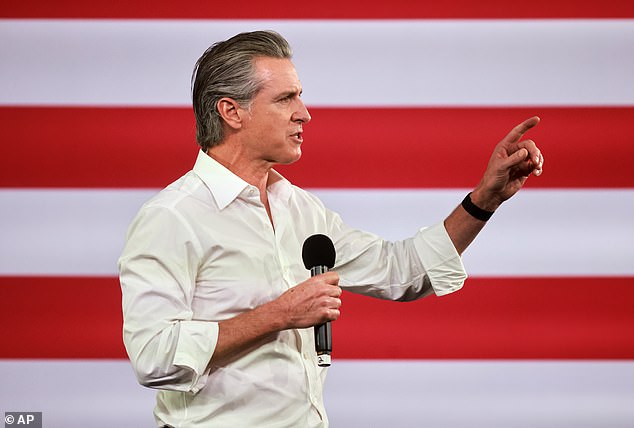
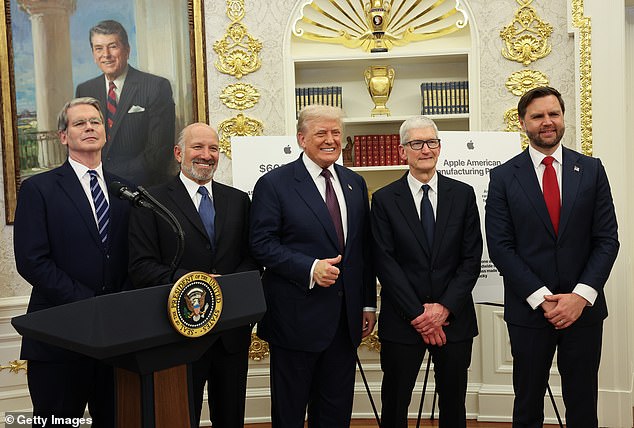
As it stands now, progressive figures like Newsom, Ocasio-Cortez, and Harris would arguably defeat Vance or Secretary of State Marco Rubio in a head-to-head matchup, according to the survey.
Martinez offers insight into the electorate’s frustration: ‘When families are struggling financially and feel that those in Washington are out of touch with their daily realities, it’s only natural that they start looking for alternatives. This isn’t just about political leanings—it’s about survival.’
The GOP should keep affordability on their radar if they don’t want a harsh reality check during the midterms, where Democrats would need to flip just a few seats to gain control and push their agenda.
Tristan Shakespeare, a strategist from the Republican side, remarks, ‘Families of all political views are increasingly feeling a sense of financial despair. As basic needs become harder to meet, voters naturally begin seeking alternatives. People feel overlooked by a system that professes to serve them but doesn’t deliver.’
He adds that this environment is producing a rise in reputed alternatives on both the right and left, with new voices advocating for system overhaul.
Overshadowing Trump’s upcoming campaign focused on lowering costs is the disillusionment many face, as individuals believe the current efforts have yet to yield the results he promised. Polls now suggest that Democrats are seen as more reliable regarding issues related to cost of living.
Democratic strategist Mike Nellis underscores that the year has shown voters growing tired of hearing blame-shifting. ‘Bold promises made by Trump haven’t led to tangible improvements, and instead show a shift towards his interests.’
As plans commence for an extravagant ballroom at the White House costing about $300 million, common citizens feel their economic pressures go unacknowledged.
The White House has yet to respond to comment requests regarding these tensions.