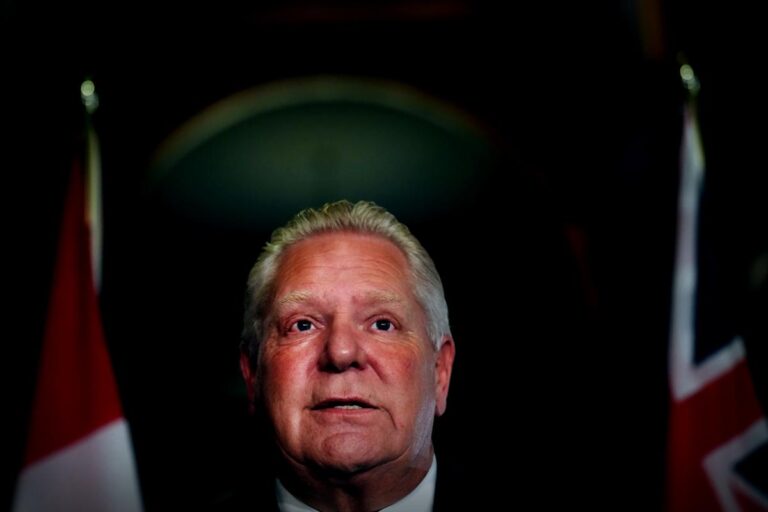


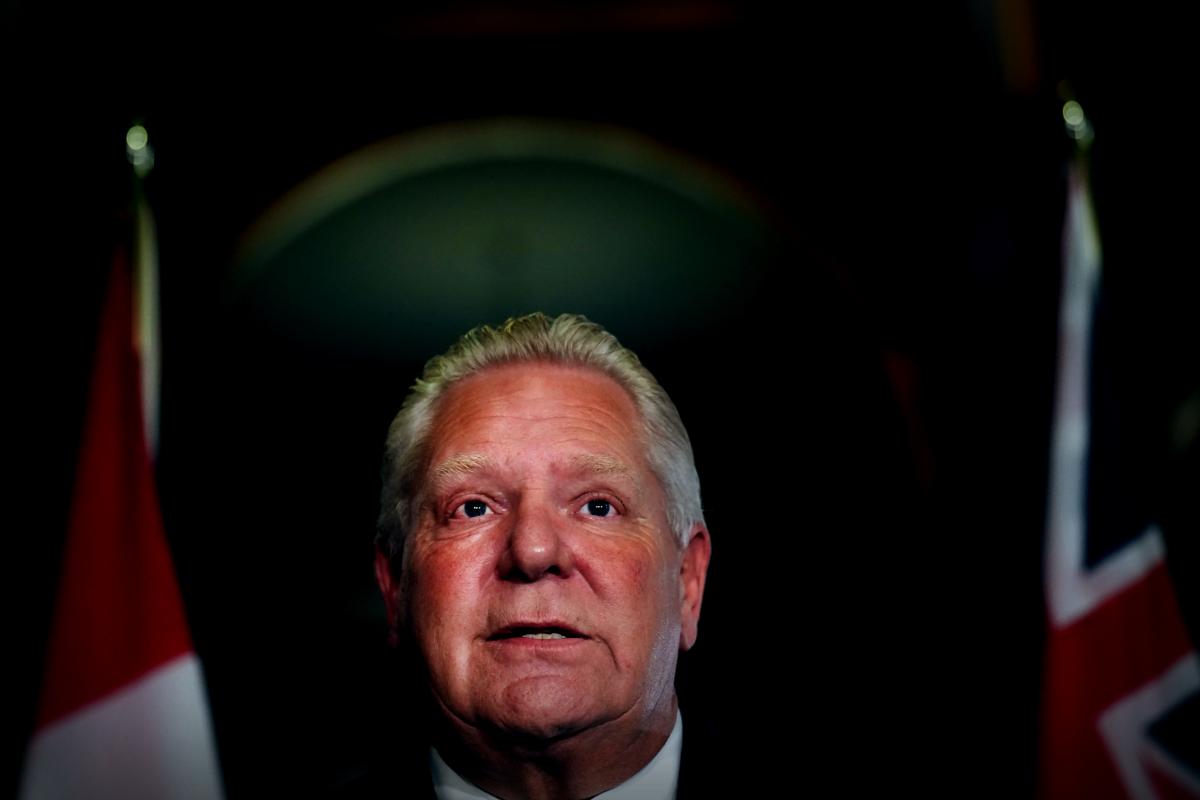
Ontario’s Premier Doug Ford has announced he won’t be traveling to Florida this winter, echoing a sentiment that’s emerging among many Canadians participating in a boycott that appears to be negatively affecting Florida’s economy and President Trump’s popularity.
During a press briefing, Ford expressed concern about the current economic strain in Florida. “They’re really feeling it—in every aspect, but especially economically. Trump is facing the lowest approval ratings of any U.S. president in his first year, which likely hasn’t happened in quite a while,” he commented.
Why This Is Significant
The boycott of American goods and travel originated from Trump’s tariffs and the way he referred to Canada as a potential “51st state.” The impact is already noticeable in tourist statistics and is affecting various U.S. businesses, particularly those selling alcohol who can’t keep products on shelves in parts of Canada.
Key Points to Consider
Doug Ford, a conservative leader who has pushed back against many of Trump’s economic policies, made these remarks at a conference where he discussed a multi-billion dollar initiative aimed at transforming Niagara Falls—a popular border tourist spot—into a premier global tourist attraction.
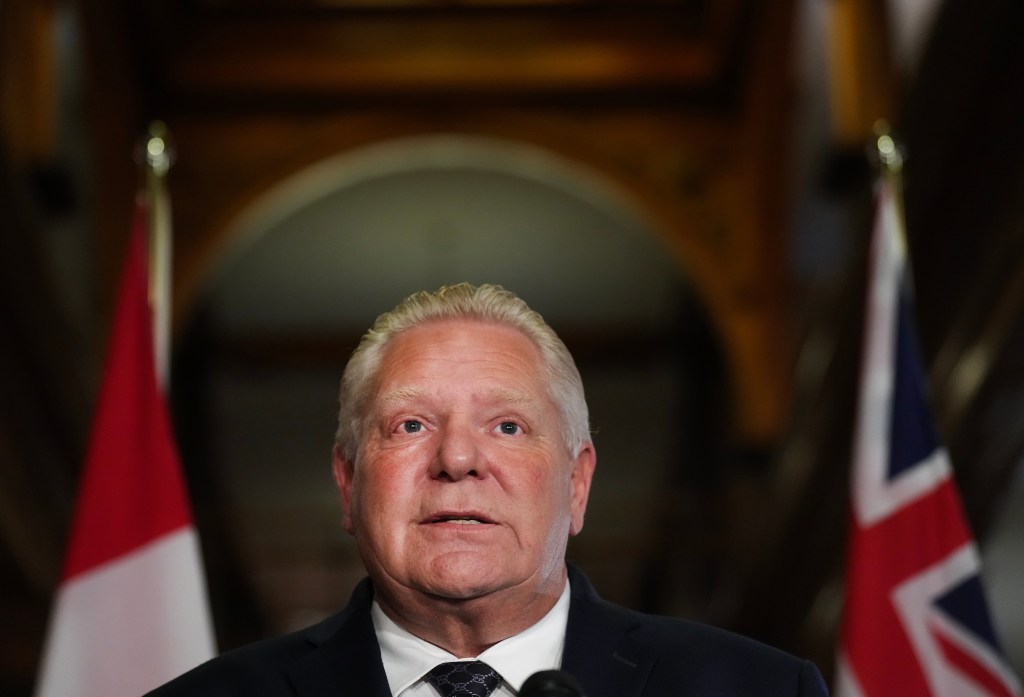
When a reporter inquired about Canada’s “organic boycott” of U.S. travel, Ford mentioned that this winter marks the first time he will not visit Florida. He did, however, invite Canadians to make their own decisions. “For me, that’s my call. Some families have spent their holidays in Florida forever—if you choose to go, great. But I suggest you stay and support local tourism motives. Don’t let one tricky relationship dictate your choices,” he stated.
Typically, Florida enjoys a boom in seasonal tourism as Canadians, referred to as “snowbirds,” escape to warmer climates. However, passenger numbers from Canada are down as political tensions have escalated in 2025.
Latest reports from Florida’s tourism board indicate a staggering 20% drop in Canadian visitors over a year within the quarter ending June 30, following a decline of 17% earlier in the same year.
A recent survey conducted by Snowbird Advisor, which assessed 4,000 members—primarily retirees—discovered that merely 70% plan to escape to the U.S. this winter, down from 82% the previous year. Moreover, many are now opting for international vacations to places like Mexico, Costa Rica, or warmer spots in Europe.
This drop in tourist traffic is having dire consequences not only for commerce in Florida but is also influencing the housing market. Analysis by Realtor.com showed that six of the ten cities in the U.S. facing the most rapid decrease in home values are located in Florida. Niall Phelan, a realtor from Florida’s West Coast, shared insights with Newsweek that declining demand from Canadian buyers largely roots from the prevailing relations between the two countries. He noted that Canadians usually make up 15-20% of his clientele, and an exodus from the market poses a “considerable loss.”
More broadly, a study from the U.S. Congress Joint Economic Committee is painting a worrying picture—decreasing amounts of Canadian travelers are impacting local businesses all across states bordering Canada.
According to the report, from January to October 2025, crossings at the U.S.-Canada border plunged close to 20% compared to the same stretch in 2024, with several states observing drops as high as 27%. Local businesses are reporting a decline in tourist activity, increased vacancies, and falling sales quickly.
One bed and breakfast owner noted, “It’s more than just tariffs. This kind of damage isn’t a quick fix once trading reopens; this is long-term. Emotional wounds take longer to mend.”
Public Perception
Premier Doug Ford remarked at the weekend conference: “It’s important to recognize the love between Canadians and Americans. But one person, President Trump, we might not see eye to eye with, and I won’t apologize to him anyday.”
According to Alan Bradshaw, a marketing professor at Royal Holloway, University of London, told Newsweek: “The second year of Trump’s presidency won’t bring much relief to tourism stats in the USA. Regulations requiring social media history for visa applications deter potential tourists. Even if only a small fraction of Canadians switch their plans, we’ll still see a growing trend of them missing out on U.S. visits.”
Kyle Daley, a grocery store operator from New Hampshire, noted in the JEC report: “When our neighbors choose to stay away, our profits vanish – our margins are already thin, to begin with. What used to be just a headline about barriers is now visible: empty parking, struggling businesses.”
Sylvain Charlebois, a senior official at Dalhousie University in Canada, remarked: “Though current indicators aren’t telling the full story, we’re undeniably catching early signals of change in behavior. We can see that Canadians are either postponing or adjusting their U.S. travel plans towards Mexico, the Caribbean, or domestic spots instead, often driven by a ‘soft boycott’ against U.S. brands. Ultimately, political rhetoric has the potential to carry rippling effects through the winter travel season unless attitudes shift towards price and convenience.”
Future Outlook
The trend of bypassing U.S. products and travel is poised to persist as temperatures cool and negotiations – halted by Trump in distress over an Ontario government advertisement – resume.