

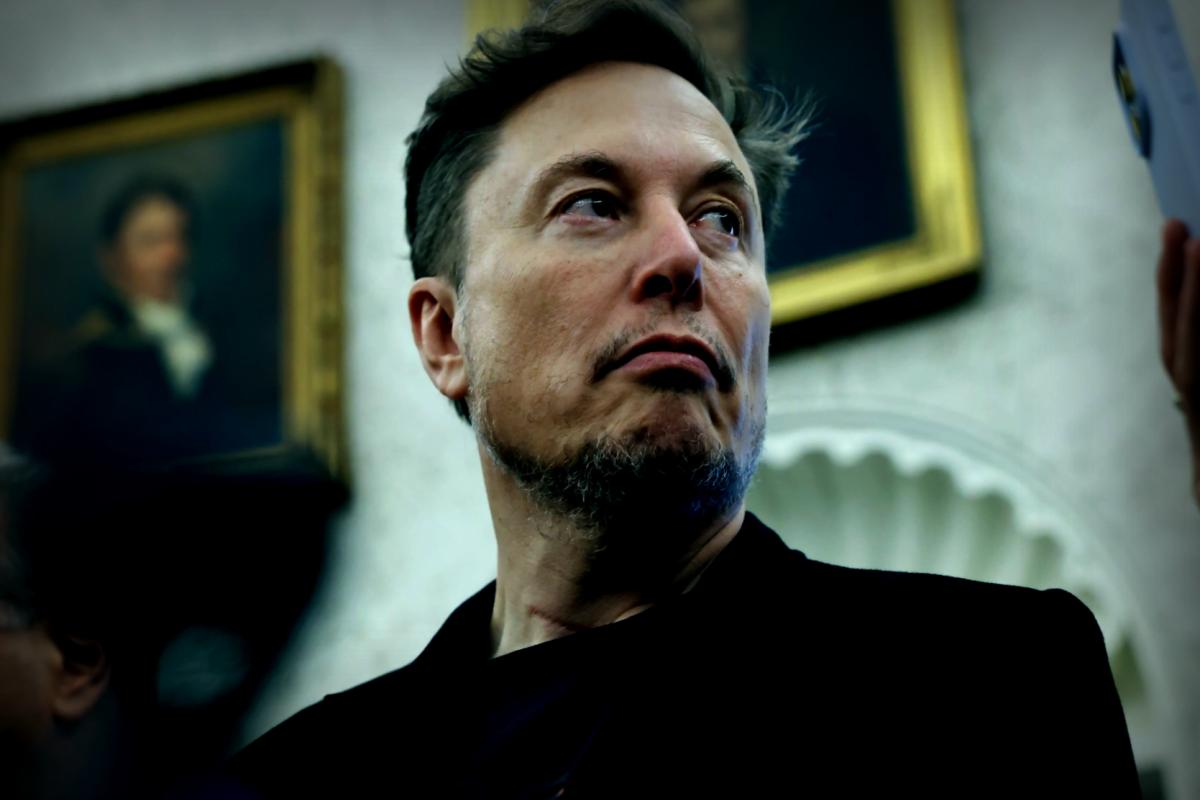
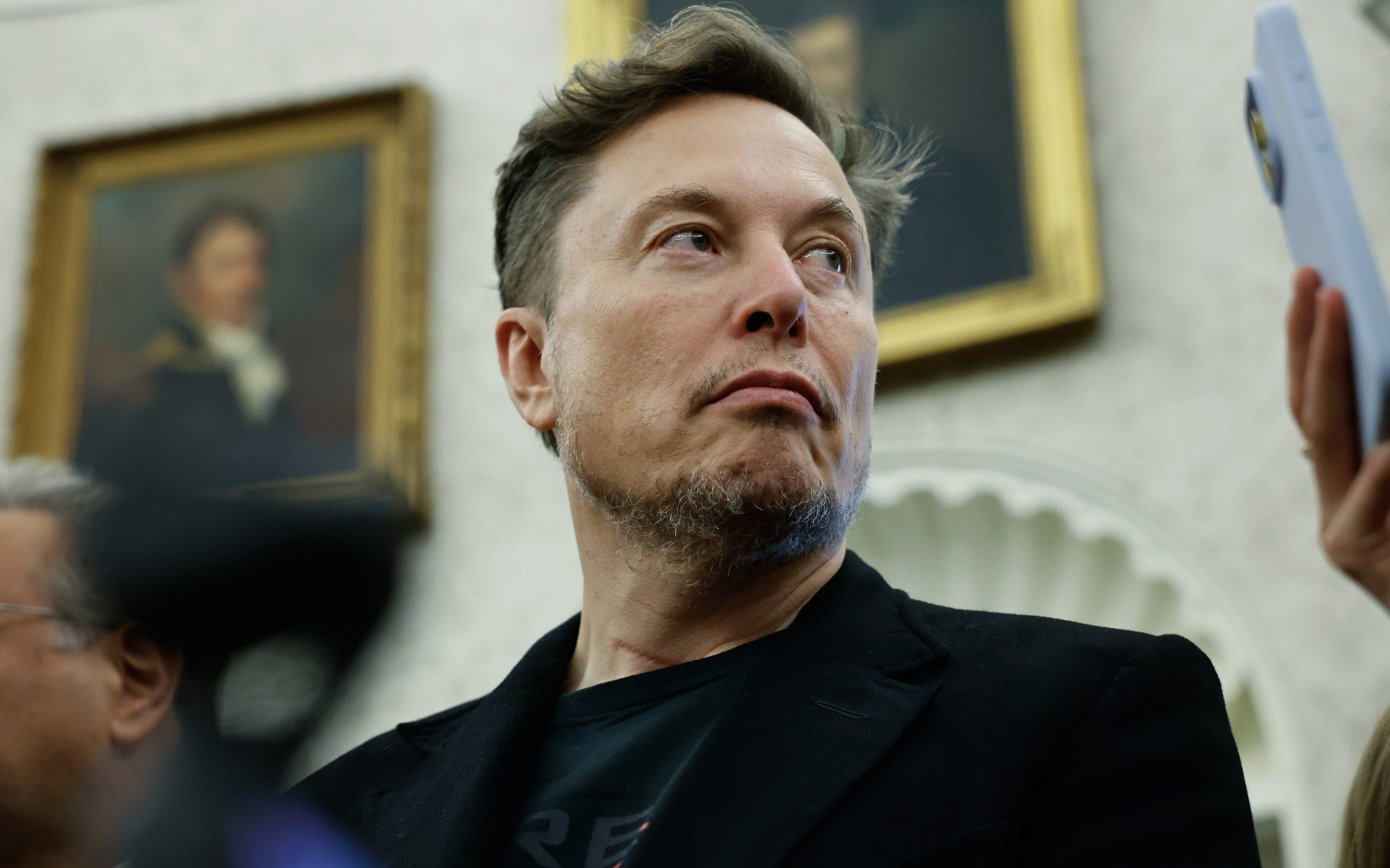
Elon Musk recently threw down the gauntlet, calling for the abolition of the EU after the bloc slapped his social media platform X with a staggering €120 million (£105 million) fine.
In a series of rants on X, Musk went after the officials responsible for this penalty, which was tied to alleged transparency violations. He didn’t hold back, stating that he might pursue action against each country individually.
He voiced his perspective by saying, “The EU should be abolished and sovereignty returned to individual countries, allowing governments to better serve their people.”
Just a few hours after Musk’s posts, Donald Tusk, Poland’s prime minister, responded on X, reminding American friends that Europe has always been a close ally. He emphasized the need for collaboration against common threats, and that abandoning this alliance wouldn’t be wise.
Musk’s comments also come at a time when frustration is brewing within the White House regarding the EU’s direction.
Recently, the Trump administration released a new security strategy criticizing the EU, highlighting its perceived attacks on political liberty, attempts to censor speech, and its role in fostering ongoing migration challenges.
The document also stressed that ensuring fair treatment for American workers and businesses would be a priority in future dealings with the EU.
Sir Keir Starmer of the Labour Party seemed eager to maintain positive relations with Trump’s camp, particularly as discussions about reversing Brexit gain traction among Labour MPs.
There has been considerable pressure from the White House on EU leaders regarding the Digital Services Act, under which the case against X was initiated. Some believes that this pressure is to encourage the EU to withdraw its case entirely.
JD Vance, a top official, remarked that the EU ought to be protecting free speech rather than targeting American companies with fines.
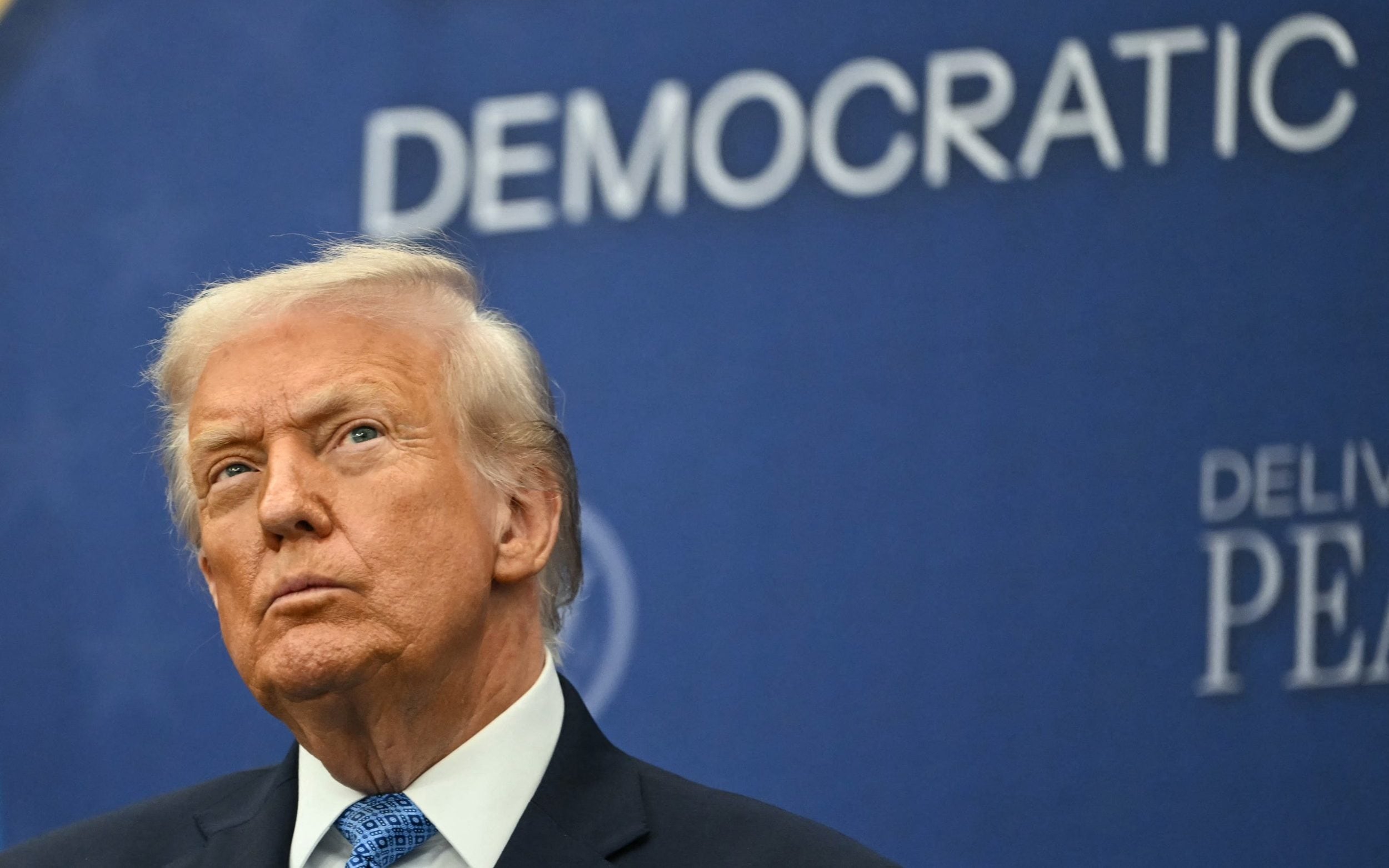
After a thorough two-year investigation, the European Commission ruled against X on multiple charges.
It deemed that the ‘blue tick’ verification was misleading (as anyone could purchase it), there was insufficient transparency about advertisers on the platform, which failed to protect against scams, and access was denied to researchers seeking public data.
The fines amounted to €45 million for the verification issue, €35 million for advertising transparency, and an additional €40 million for the data access problem. The Commission indicated that these penalties were directed at the entire corporate structure of X, with Musk at its helm.
Musk, known for being the world’s richest individual, expressed outrage, stating, “The EU did not just fine @X but went after me personally, which is absurd! Naturally, our response should target not only the EU but the individuals responsible for this.”
Musk’s remarks resonated with others in the Trump administration. Secretary of State Marco Rubio stated on X that the fine was tantamount to an assault on American digital platforms as well as the Republic itself, insisting that censorship of Americans would no longer be tolerated.
Christopher Landau, Rubio’s deputy, warned that the EU’s actions might lead the US to pull back further from its commitments to NATO, arguing that European nations can’t seek US security while undercutting its interests through the “undemocratic and unrepresentative” EU.
Trump himself has suggested he might apply extra tariffs on the EU if these punitive measures against American tech companies continue, with officials urging Brussels to reconsider its Digital Services Act altogether.
The security strategy also noted the documentary rise of ‘patriotic’ European political movements that stand against the EU’s current path, suggesting that the White House aims to lend them support.
In a fiery post, Dutch politician Geert Wilders labeled the EU a totalitarian body failing to uphold freedom of speech and demanded its dissolution in response to the fine levied on X.
Meanwhile, on Thursday, UK Deputy Prime Minister David Lammy floated the idea of Britain rejoining the EU customs union as a means to stimulate economic growth, a move that has prompted rising discussions within Downing Street regarding potential reversals of Brexit policies.