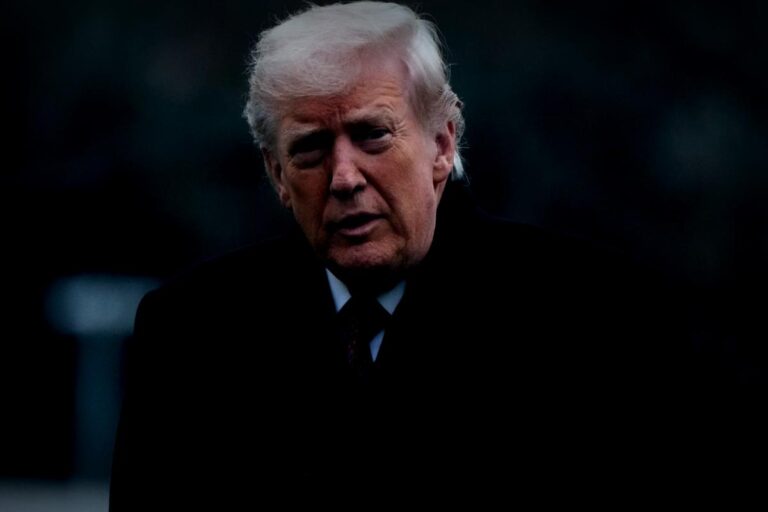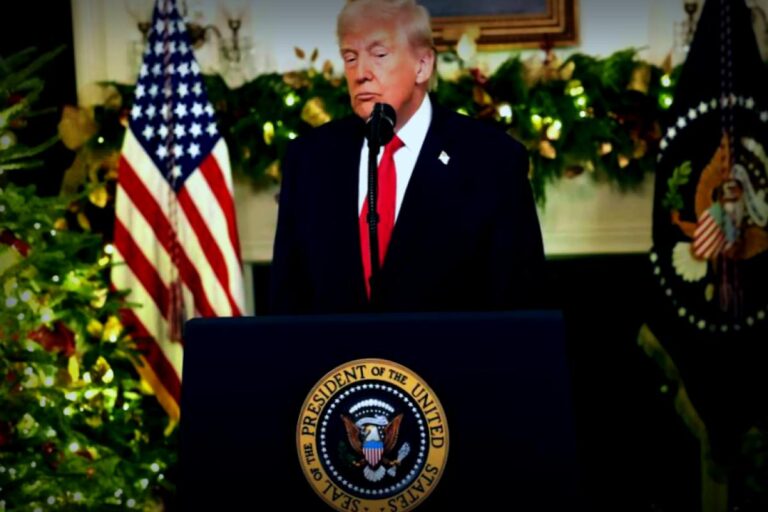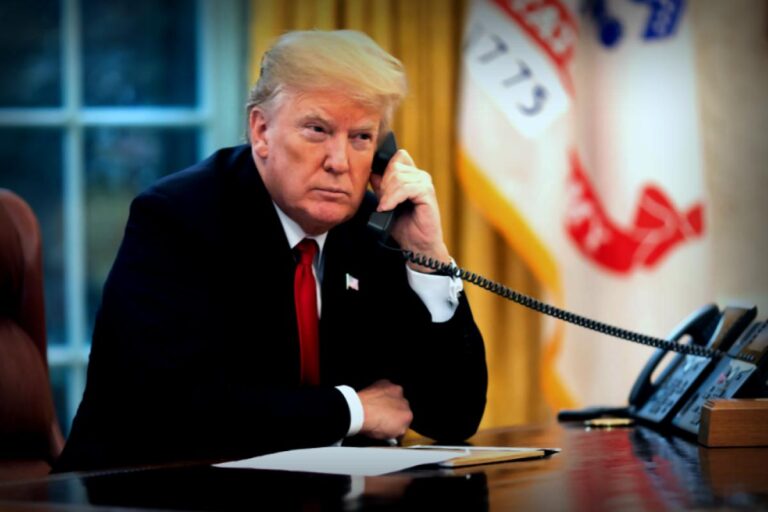



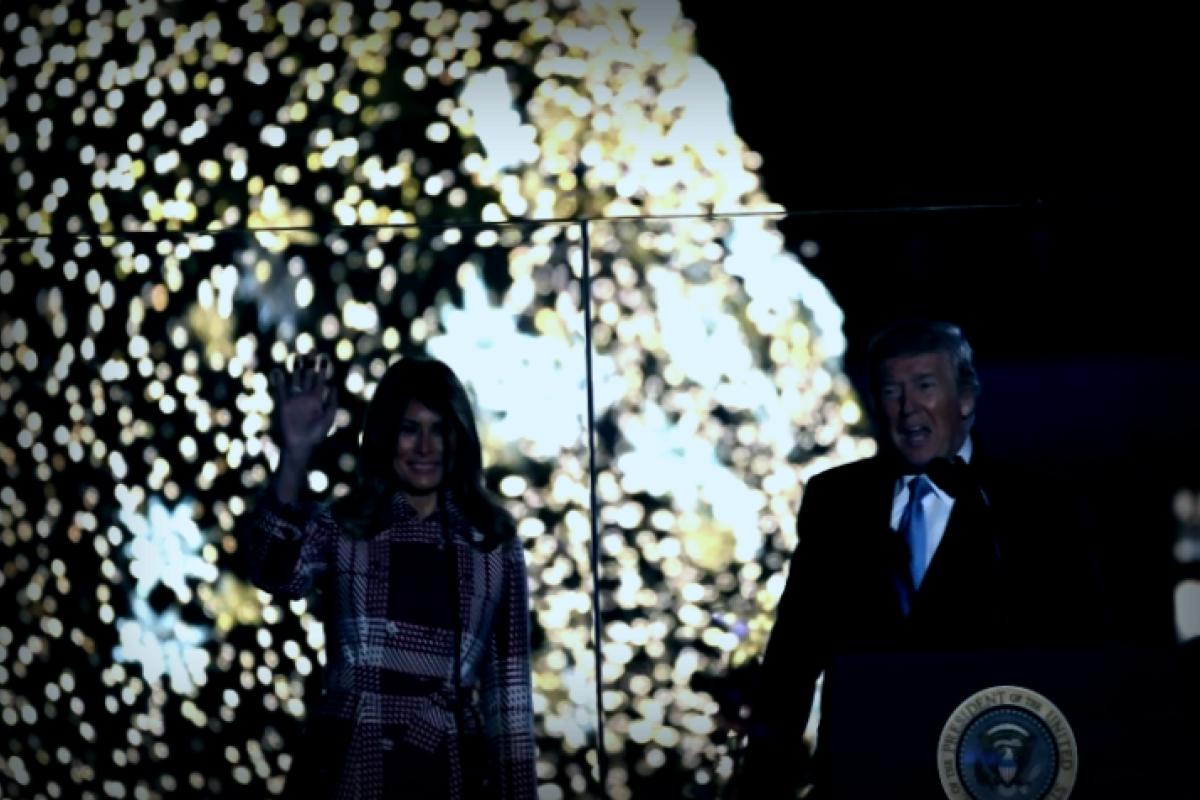
On Thursday, President Trump announced an executive order making Christmas Eve and December 26 official federal holidays this year.
This means that federal offices will be closed and employees don’t need to work from December 24 (Wednesday) through December 26 (Friday). Christmas Day is already recognized as a federal holiday, so this extension allows for a longer break. However, Trump mentioned that heads of agencies have the discretion to keep some offices open and require certain employees to report on either December 24 or 26.
During his earlier term, Trump also made Christmas Eve a federal holiday in 2019 and 2020. Those years, Christmas Eve fell on a Tuesday and a Thursday, respectively. Also, former President Obama had designated December 26 as a holiday in 2014, since that year it landed on a Friday.
Earlier this year in May, Trump also established holidays on November 11 and May 8 to honor World War I and World War II victories. Although November 11 was already Veterans Day, White House press secretary Karoline Leavitt made it clear that the name of the holiday wouldn’t change, and Trump would issue an additional proclamation to remember the allies’ success in World War I.
With these two new holidays next week, this year totals 13 federal holidays which include: New Year’s Day; January 20 for Martin Luther King Jr. Day and Trump’s inauguration; Presidents Day; Memorial Day; Juneteenth; Independence Day; Labor Day; Columbus Day; Veterans Day; Thanksgiving Day; Christmas Eve; Christmas Day; and December 26.
For a new federal holiday to become permanent, Congress needs to pass the necessary legislation and the president must sign off on it. The most recent federal holiday added was Juneteenth in 2021, during Biden’s presidency.
Copyright 2025 Nexstar Media, Inc. All rights reserved. This material may not be published, broadcast, rewritten, or redistributed.
For the latest news, weather, sports, and streaming video, head to The Hill.