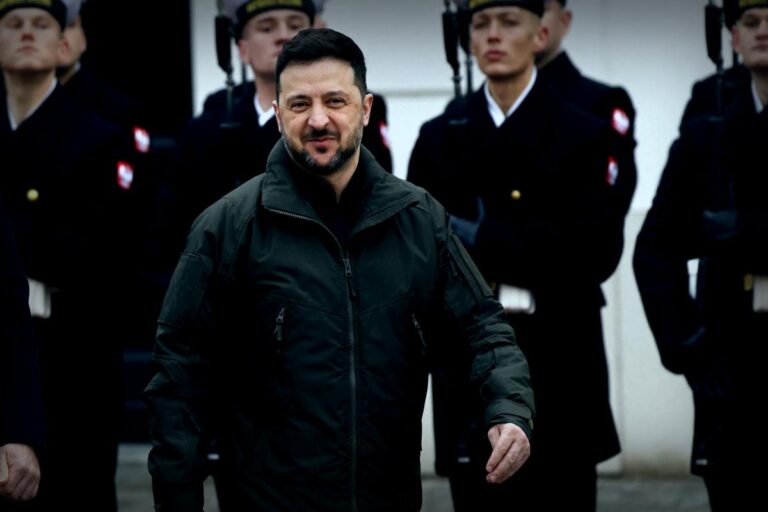



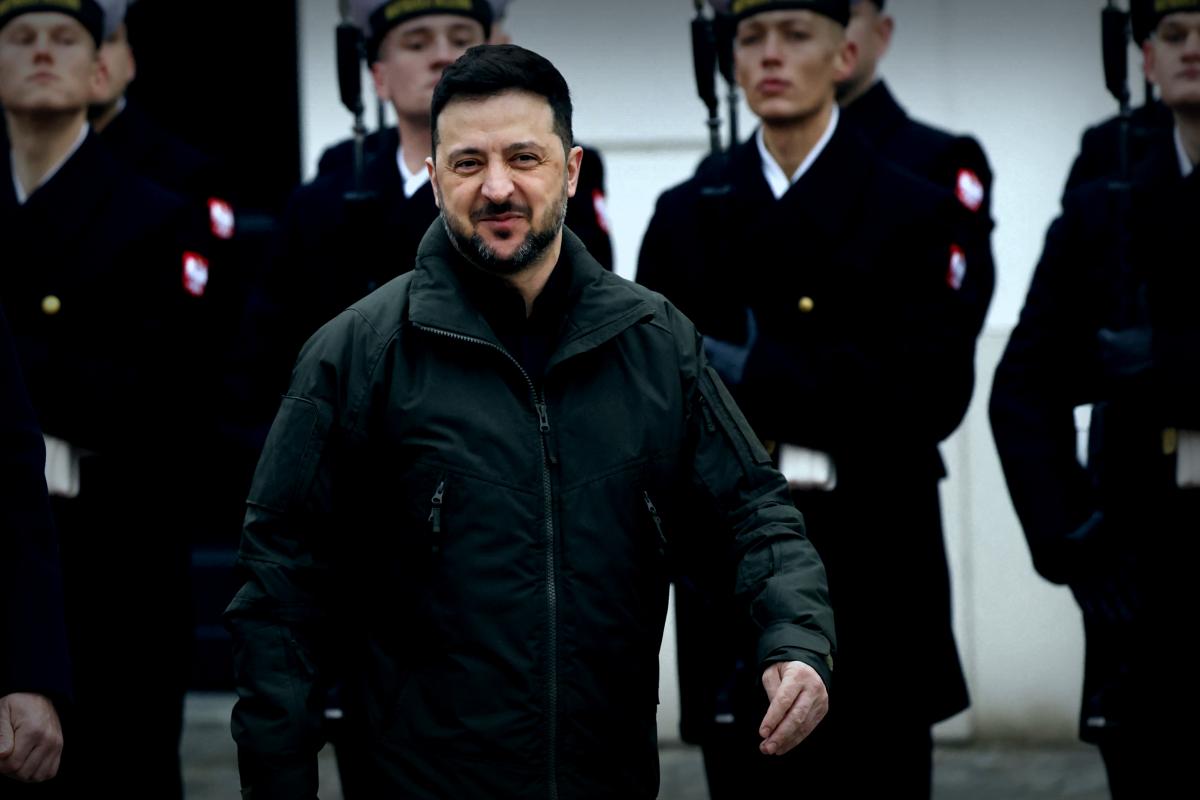
Ukrainian President Volodymyr Zelensky recently shared his openness to a significant strategic shift. He hinted at the possibility of withdrawing Ukrainian forces from certain areas within the eastern Donetsk region that are still under Kyiv’s jurisdiction, proposing the creation of a demilitarized zone as part of potential peace negotiations.
Why It’s Crucial
Long-standing disagreements on territorial control have stymied peace discussions backed by the U.S. since Trump’s second term began. Zelensky’s recent remarks suggest that after exhaustive negotiations, there might be a path forward to conclude this massive territorial conflict, one that has ravaged Europe for years. Yet, several challenges still obstruct the finalization of an agreement.
Key Takeaways
During a press encounter on Tuesday, Zelensky mentioned the idea of establishing a “free economic zone” in the demilitarized regions of eastern Ukraine, as reported by local sources. However, for this to materialize, Russia would need to withdraw its troops from specific eastern areas—something Moscow has yet to demonstrate willingness to do.
Moreover, the Ukrainian government intends to present this proposal to the public for voting, according to reports. Another suggestion put forth by Zelensky would result in a stable yet unofficial ceasefire along four territory claims made by Russia, which would be supervised by international forces.
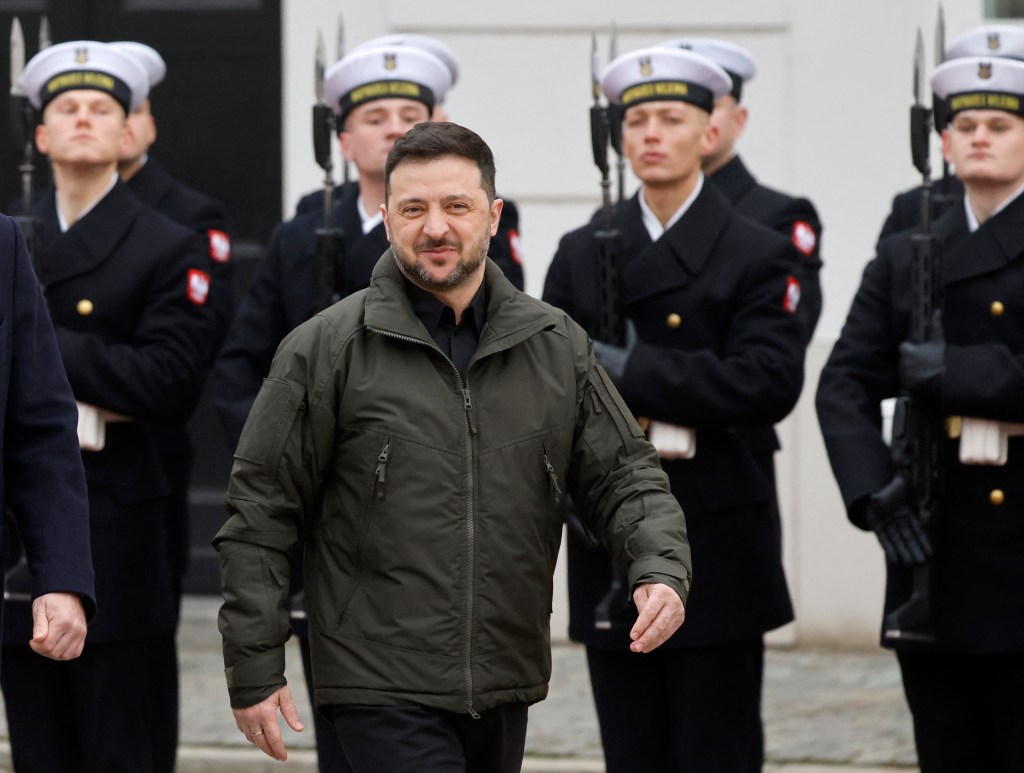
The situation remains complicated. Russia asserts control over the Donetsk and Luhansk regions collectively known as the Donbas, as well as Kherson and Zaporizhzhia. Notably, Crimea has also been under Moscow’s control since its annexation in 2014. Ukraine strongly opposes any acknowledgment of these claims, as relinquishing territory is seen as unconstitutional.
Currently, Russia largely ensnares the Donetsk territory; however, Ukraine retains significant portions. The Kremlin has stated it is prepared to seize full control by force, although experts suggest it could be a lengthy process.
Various issues surrounding the size of Ukraine’s military and the governance of critical nuclear sites remain prime stumbling blocks. Zelensky mentioned ongoing disagreements with U.S. officials on Donetsk and the control of the Zaporizhzhia Nuclear Power Plant, Europe’s largest nuclear facility, which has been in Russian hands since the onset of the full-scale war in 2022.
Despite these hurdles, Zelensky expressed a somewhat optimistic tone, asserting that they had harmonized most key points. On Tuesday, he unveiled an updated 20-point peace plan and noted that Ukrainian negotiators were awaiting a response from Russian officials.
In a recent trip to Florida, Zelensky’s negotiators met with Trump’s representative, Steve Witkoff, who indicated the discussions were “productive and constructive.” Zelensky commented on Twitter about the sense of a mutual desire for a lasting agreement, pledging Ukraine’s full cooperation.
In a press briefing, Zelensky referred to territorial disagreements as “the most intricate issue” in reaching an agreement, noting that earlier discussions by the U.S. explored the creation of “free economic zones” to spare Kyiv from territorial losses.
The currently proposed draft outlines several strategic points, including a firm commitment to sovereignty, Ukraine’s aim to join the European Union, and security guarantees akin to NATO’s Article 5 from the U.S., NATO, and European partners.
Ukraine delineated NATO membership as essential for deterring any potential future invasions from Russia, which has pooh-poohed Kyiv’s aspirations for joining the alliance. Article 5 ensures collective defense among member states.
The outline also includes plans for reconstructing Ukraine post-conflict and setting up electoral processes.
Back when the U.S. proposed a 28-point agenda last month, it triggered immediate concern among Ukrainian leaders and their allies, who perceived it as favoring Russia over Ukraine. The U.S. was compelled to rebuff any claims that Russia had tabled the discussed terms.
Responses and Reactions
Zelensky emphasized the team’s diligent work in making sure the developing documents are viable and that all parties are committed to fulfilling them realistically.