

Right after tweeting “Success is uncertain, but entertainment is guaranteed,” Elon Musk found himself in a bit of a predicament. Just minutes before that post, another SpaceX rocket broke apart over the Caribbean, releasing flaming debris into one of the busiest flight zones in the world. This alarming incident prompted emergency protocols for three incoming passenger flights which had to be carefully maneuvered to avoid potential catastrophe.
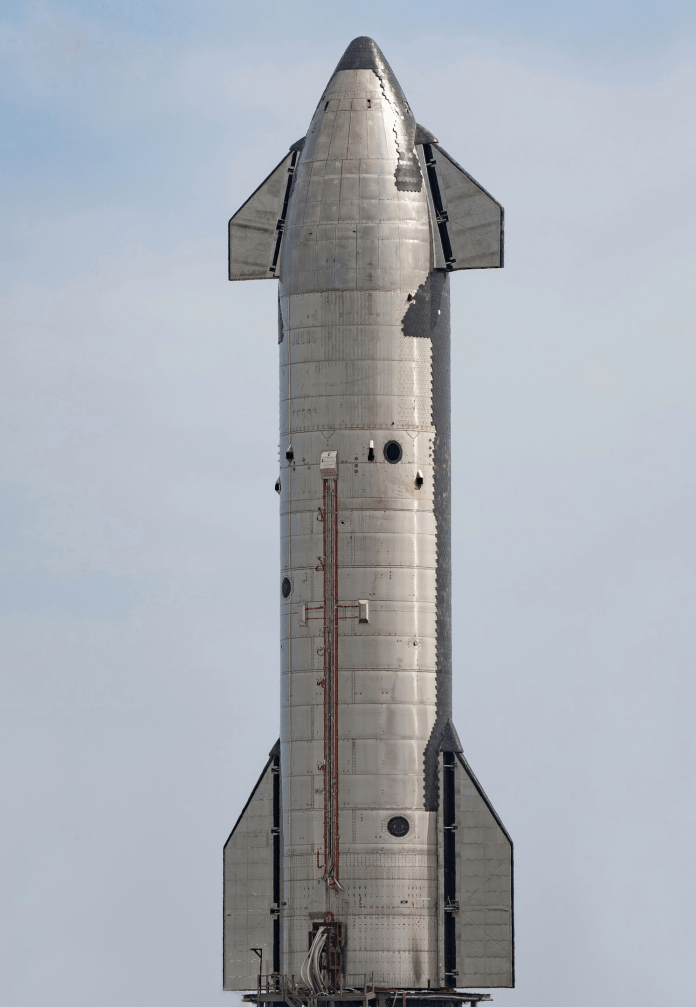
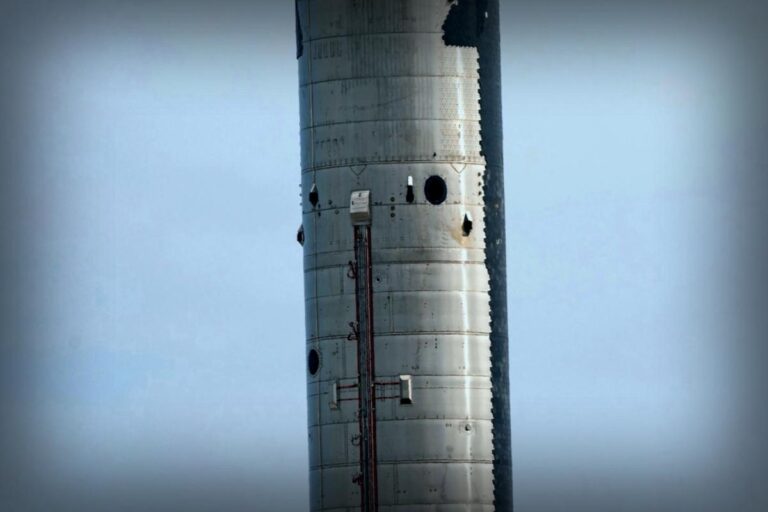
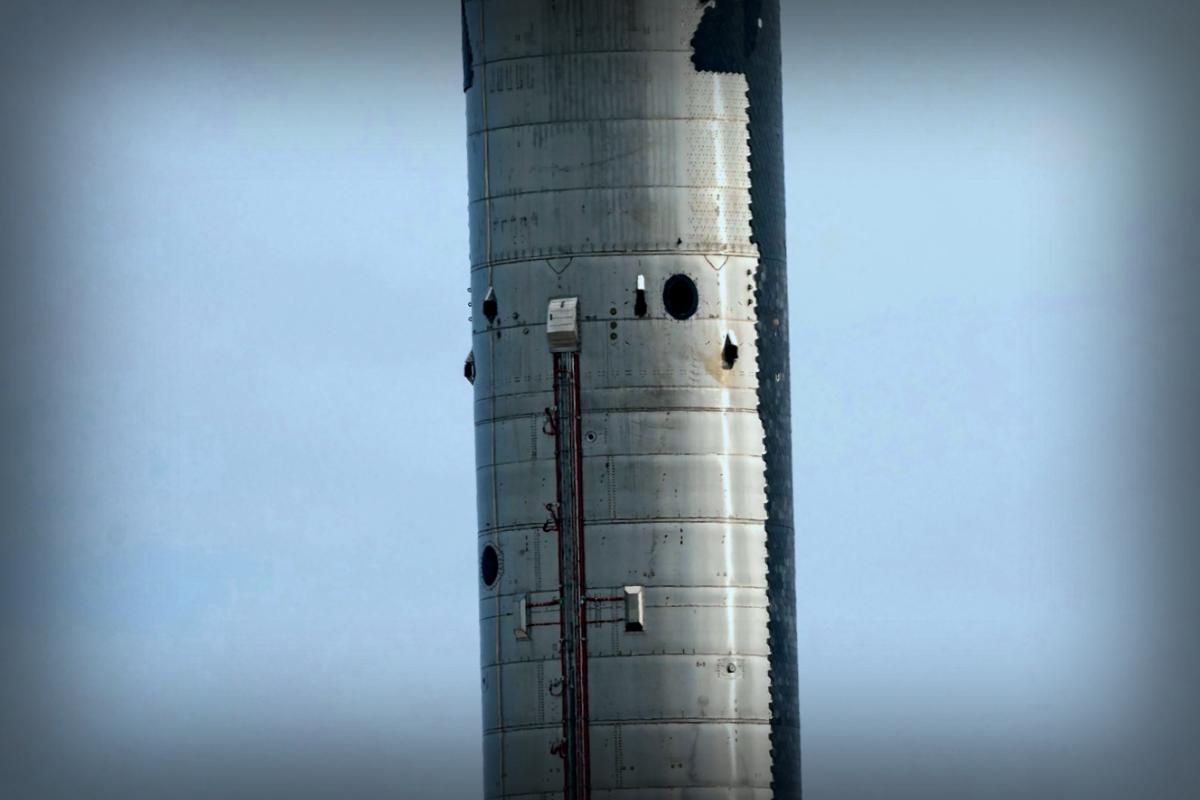
Launched from Boca Chica, Texas, the Starship was a powerhouse powered by 33 Raptor engines capable of producing a staggering 16 million pounds of thrust—more than double that of the famed Saturn V rocket. Towering at 400 feet, this two-stage vehicle aims for full reusability. However, shortly after its hard launch, communication was lost during the expected season where separation was supposed to occur at 64 kilometers, highlighting a troubling issue when the rocket faced a backfire and fell apart mid-ascent.
This sorry saga had all kinds of ripple effects, with some debris sprinting through the air at speeds exceeding the sound barrier. Seismographs even detected anomalies resembling small earthquakes, a sign of those rogue objects entering Earth’s atmosphere. Two serendipitously located passenger aircraft, containing around 450 passengers (these included a JetBlue to San Juan and an Iberia flight), were thrust into split-second emergency decisions.
In the JetBlue flight, they were left weighing two tough choices: bypass or divert, risking running out of fuel in overwater proceedings, or cut across the hazardous airspace with debris looming large. The Iberia flight found its own sticky situation as fuel concerns grew. All three planes had to report emergencies while navigating through the perilous zone. Particularly worth noting was the urgency of Mayday communications initiated by the JetBlue pilot with air traffic handlers based in Puerto Rico as the situation rapidly deteriorated.
According to FAA regulations for rocket launches, there should be immediate alerts to air traffic control via an emergency hotline for any troubling events. However, SpaceX is now under scrutiny after failing to notify authorities about the rocket malfunction during this particular instance. The first acknowledgment of the falling debris came from Miami air traffic controllers, alerted by the airline crews. SpaceX countered these claims, stating that public safety has always been high on their list. They maintained that the debris stayed confined to set hazard areas pre-approved in coordination with both the US Space Force and the FAA.
When you look deeper into this scenario, it’s a clear reflection of how intertwined space operations are becoming with regular air traffic. The FAA forecasts that we’ll see an annual spike with 200-400 rocket launches and reentries in the near future, in stark contrast to a mere 24 such events spanning from 1989 to 2024. Clearly, with a surge in rocket activity, the probability of clashes with crowded air traffic routes is rising. The episode in January underlined the fact that the safeguards currently in place are not nearly sufficient enough for these kinds of emergencies.
To lower these risks, we need to look into extra measures apart from just exclusion zones. Current research is focused on real-time monitoring of space debris using advanced radar technology and predictive analytics to dynamically adjust danger zones as events unfold. Integration with air traffic management is crucial to clear up any confusion during urgent situations. Additionally, we might want to rethink launch routes, switching them up based on the season or time of day and steering clear of busy airline corridors.
Meanwhile, from SpaceX’s angle, this incident just feeds into their ongoing R&D process. This Starship was on its first mission to simulate a satellite launch while testing system improvements like streamlined flaps and weight reduction. SpaceX is also working on Design 3 for the next version of the Starship, hoping to tweak foundational elements like upgrading to Raptor 3 engines and better aerodynamics. Ensuring reliability is crucial for those ambitious Mars missions, as well as for launching NASA’s Lunar Lander under the Artemis initiative.
Moreover, what went down in January demonstrated just how important risk management is in aerospace today. Using frameworks provided by the International Civil Aviation Organization, there should have been a thorough examination of potential risks and proper countermeasures. A discussion surrounding debris control was scheduled by the FAA but was later called off amid discussions suggesting existing policies were being upheld. As interest in commercial space development surges, the engineering community now faces the dual challenge: not just to get rockets launched and landed safely, but also to ensure the safety of air traffic as they ascend to the final altitudes around 40 miles above ground.