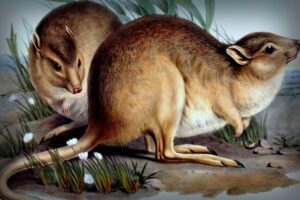



There are millions of species on Earth, each valuable in its own right. When we lose just one, it doesn’t just disappear; it sends ripples through the ecosystems it was part of.
But here’s the catch: every extinction also takes away a piece of humanity. We lose vital scientific knowledge, cultural heritage, and spiritual connections that enrich our lives.
Take, for example, the baiji river dolphin in China. Once it faded from existence, so did the local memories associated with it—gone within a generation. The giant moa of New Zealand faced the same fate; their extinction pushed the language and knowledge tied to them into the shadows.
This paints a bigger picture: conservation efforts should really focus on preserving knowledge just as much as they aim to save wildlife, and my research highlights this point in greater detail here.
The Ongoing Sixth Mass Extinction
Right now, we’re in what scientists have termed the sixth mass extinction. Unlike previous extinctions caused by natural disasters, our current crisis is primarily fueled by humans—whether it’s habitat loss, invasive species, or climate change. The extinction rates are skyrocketing, far beyond natural levels, and the United Nations predicts that up to a million species might go extinct in this century, many within mere decades.
This crisis isn’t just a blow to nature—it’s a profound loss for people too.
The Scientific Void Left by Extinction
Science suffers immensely from the loss of species.
Every creature carries its unique genetic code and plays a specific role in the ecosystem. Once it disappears, we lose a treasure trove of scientific data—genetic information, ecological roles, and potential medical breakthroughs.
Take the two species of gastric-brooding frog from Queensland. These incredible creatures had the ability to turn their stomachs into wombs to nurture their young, but both went extinct in the 1980s due to human activity and a deadly fungus. Their unique biology could have unlocked secrets in medical research related to conditions like acid reflux or specific cancers. As noted by ecologists Gerardo Ceballos and Paul Ehrlich, we have lost these frogs as potential models for scientific inquiry here.
The loss of biodiversity means a shrinking library of life, diminishing our chances for future discoveries across multiple fields, from medicine to climate science here.
Cultural Erosion and Extinction
The natural world deeply influences many human cultures. Indigenous communities possess immense knowledge about the species surrounding them, appreciated through their stories, languages, and traditions. But when species decline or fade away, these cultural narratives can be lost.
As species disappear, our intimate connections with nature begin to wane, reducing the joyful and awe-filled experiences we share with the world.
Bioacoustics researcher Christopher Clark describes extinction as a symphony going mute: “Life brings forth song everywhere. But with extinction, we’re plucking the instruments from our orchestra, and soon, it will all go silent.”
For example, the Kaua|i ʻōʻo, a black-and-yellow songbird native to Hawaii, was declared extinct in 2023. The last bit of its existence lives on through a recording of its final male singing for a female that will never return here.
Alarmingly, birdsong is on the decline globally, robbing our shared sensory experience of richness.
From an ecocentric viewpoint, each extinction diminishes the entire community of species we rely on—even us humans. Scholars pinpoint this phenomenon as the “extinction of experience“—with biologist David George Haskell noting it leads to an impoverished, less vibrant sensory world.
The Spiritual Angle of Extinction
For numerous cultures, nature carries profound spiritual significance. Many species and ecosystems foster deep connections tied to faith and tradition.
Consider Australia’s Great Barrier Reef, revered by Indigenous groups as part of a sacred living landscape. As climate change threatens its biodiversity, these spiritual connections are crumbling, stripping away the awe and wonder that nurture our senses of belonging.
Some ecotheological traditions view nature as a text that helps reveal divine truths alongside traditional scriptures. With every extinction, the very foundations of these worldviews are chipped away, leaving us with fewer ways to experience the sacred beauty of our surroundings.
Grieving Extinction
Extinction often fosters feelings of grief, a natural response that acknowledges the vastness of what’s lost on the scientific, cultural, and spiritual fronts.
For Indigenous peoples, this grief is particularly deep, arising from their profound connection to the environment. Scientists and conservationists feel the emotional weight of this crisis too, witnessing a cascade of losses that brings forth anxiety, burnout, and sorrow. However, this mourning process is essential to making these losses real.
Grieving for extinct species serves a purpose—it can urge us to appreciate what we still have, acknowledge the intrinsic value of biodiversity, and resist viewing the natural world as just a resource. This kind of mourning acts as a wake-up call, inviting us to defend life for its own sake and nowadays not just for our needs.
This piece was adapted from The Conversation under a Creative Commons license. For the full version, check out the original article.
Originally published on Phys.org.