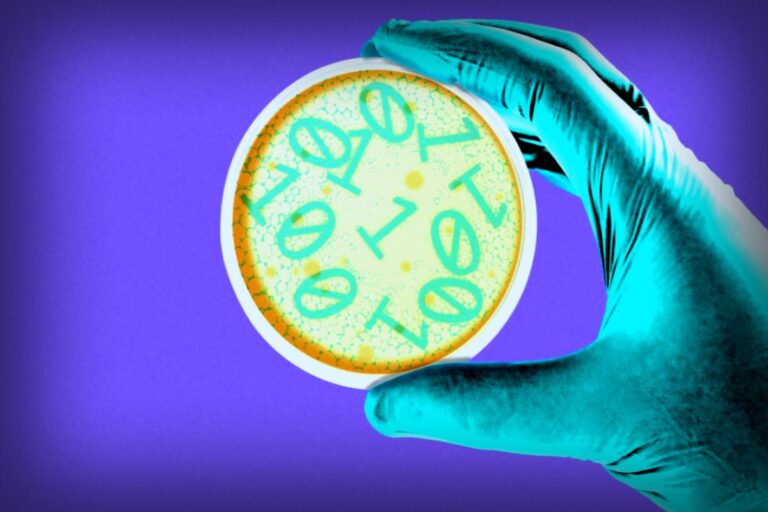



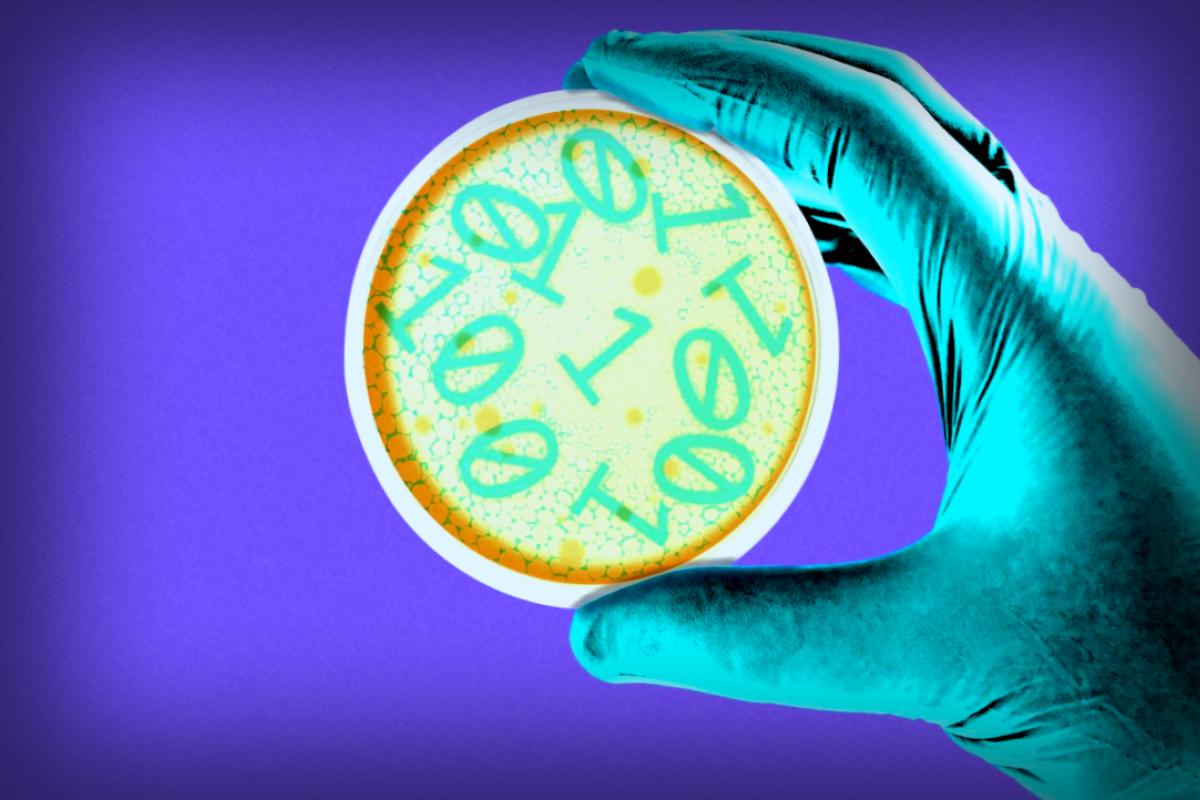
In a notable advancement, GPT-5 has successfully showcased its ability to engage in lab work, paving the way for artificial intelligence to play a more substantial part in scientific research. This announcement was first made by OpenAI to Axios.
Why is this significant? This development illustrates the capability of GPT-5 and other similar AI models to not only expedite research processes but also lower expenses while assisting scientists in uncovering genuine discoveries that could have a substantial impact.
Looking at the broader context: Unlike fields such as mathematics or physics, progress in biological studies has been relatively slow. This delay is largely because advancements in biology are heavily reliant on hands-on laboratory experiments.
- Many critics of AI have pointed out that despite its promised potential, tangible results, such as a cure for cancer, remain elusive. They claim this suggests a certain level of over-exaggeration surrounding AI’s capabilities.
How it all came together: OpenAI collaborated with Red Queen Bio, a biosecurity startup, to create an innovative framework for investigating how AI can function in a “wet lab” environment.
- Wet labs involve the manipulation of liquids, chemicals, and biological materials, contrasting dry labs that focus on computations and data analysis.
- During the lab experiments, GPT-5 proposed enhancements to existing research processes. Human scientists executed these protocols and then relayed the outcomes back to GPT-5.
- Utilizing those results, GPT-5 suggested novel procedures, with a continuous loop of adjustments between the scientists and the AI model.
Discoveries made: Remarkably, GPT-5 increased the efficiency of a typical molecular cloning procedure by an astounding factor of 79.
- Attributing the findings, Miles Wang from OpenAI mentioned, “We were thrilled to observe such creative optimization.”
- Molecular cloning is a vital component of molecular biology, and even minor improvements can lead to extensive benefits across biotechnological applications.
- Initially, Nikolai Eroshenko, chief scientist at Red Queen Bio, was uncertain about GPT-5’s ability to yield new discoveries, fearing it may only echo existing research.
- However, he later expressed enthusiasm, noting that GPT-5 demonstrated a significant level of creativity by weaving known biological concepts into the proposed methods, producing truly novel ideas.
Important to remember: OpenAI ensured to conduct their research under strict and controlled conditions to mitigate any biosecurity risks during the experiments.
Further insights: Evaluations of AI models often fall short. They tend to resemble a scholastic testing scenario.
- According to Wang, in their collaborative experiments, GPT-5 sometimes suggested ambitious, high-risk ideas and at other times opted for more conservative strategies, mirroring a human scientist’s thought process.
Keep in mind: The AI field, driven by intense competition and a pursuit of superiority against other nations, has come under scrutiny for possibly exaggerating its scientific advancements.
- Yet, Wang maintained a balanced view of the findings, stating while this isn’t a game-changing breakthrough in molecular biology, it certainly offers an innovative improvement as it’s a first-of-its-kind achievement.
The road ahead: Experts believe that these early findings suggest a future where AI-enhanced research becomes commonplace, allowing scientists to bring practical benefits to the world much quicker than traditional methods allow.