

NASA has opened the doors of the International Space Station (ISS) to scientists and researchers, encouraging them to harness microgravity for a variety of purposes, especially private sector research and tech demos. Interesting fact: about half of the crew’s time up there is spent on medical research aimed at solving tough health issues back home, while also prepping astronauts for future missions deep into space.
This year, Merck Research Labs hit a significant milestone, receiving FDA approval for a new injectable cancer treatment, pembrolizumab, better known as KEYTRUDA. This breakthrough owes a lot to the research conducted on the ISS via the ISS National Laboratory, which has led to treatment times being cut short, proving to be just as effective.
In the past, getting this treatment meant patients had to sit through a two-hour infusion process during office visits. Thankfully, improvements have whittled that down to under 30 minutes every three weeks. Now, with the newly sanctioned subcutaneous injectable form, the process takes only about a minute. This not only helps patients save time but could also slash costs significantly for both patients and healthcare providers.
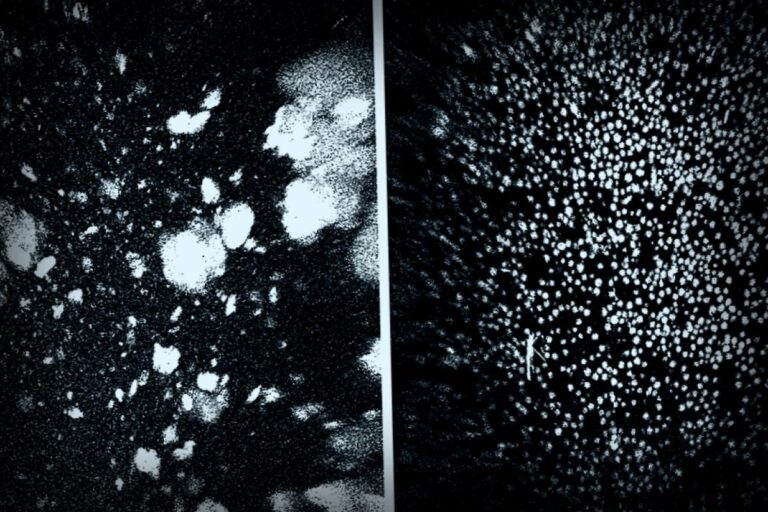
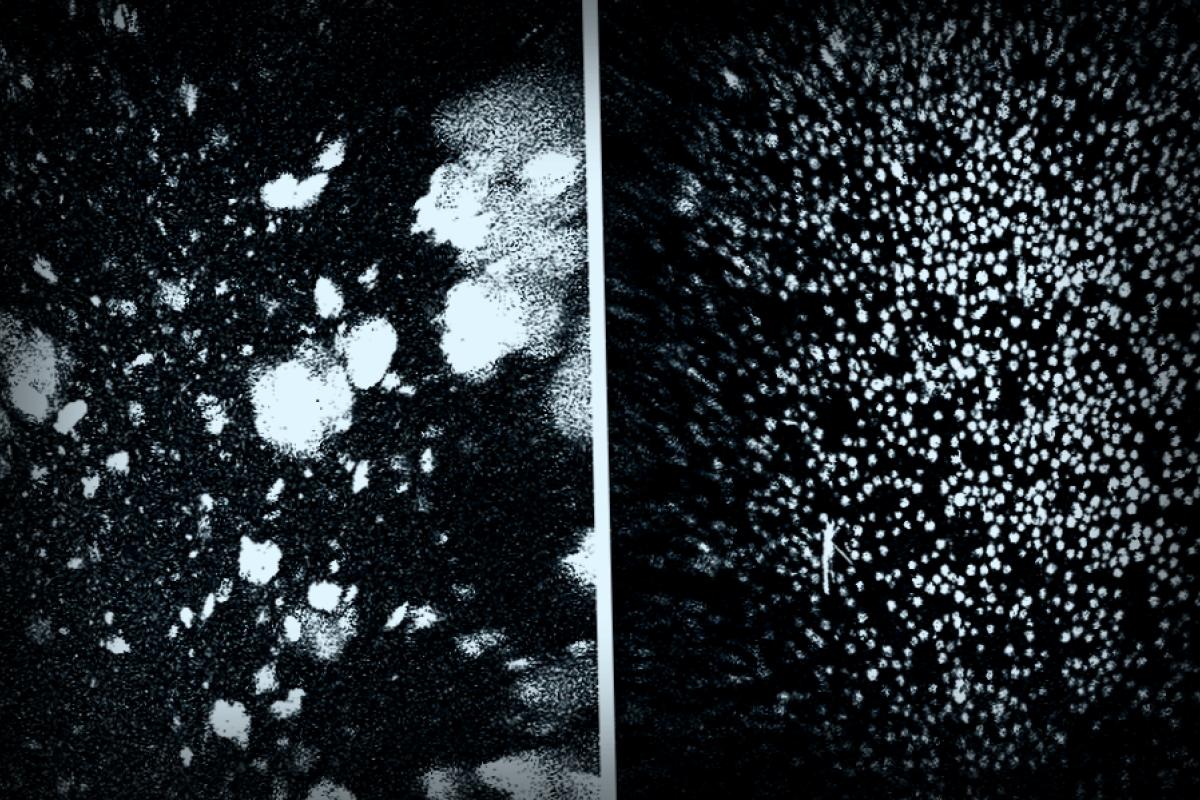
Merck has been utilizing the ISS for crystal growth experiments since 2014, aiming to fathom how crystals form, including the monoclonal antibody necessary for treating cancer. These lab-made proteins are vital as they help the body combat various diseases. The ISS research focuses on producing easily dissolvable crystalline suspensions, paving the way for injection methods. Microgravity is a game changer because it allows scientists to produce larger, more consistent, and better-quality crystals than can be made on Earth, pushing forward the field of medication development and complex modeling.
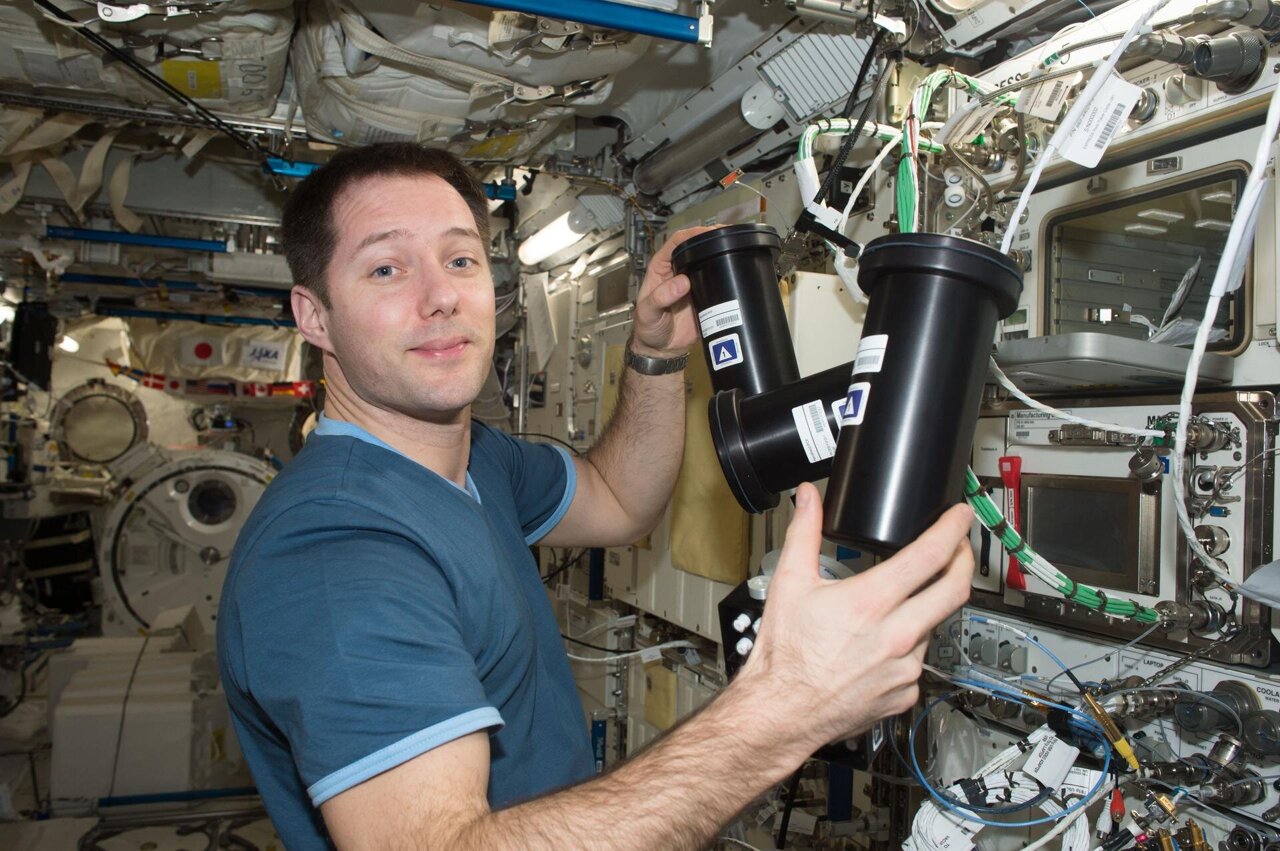
The studies conducted on the ISS have unveiled crucial understanding about how gravity influences crystallization, paving the way for better drug formulations. NASA and its partners are making tangible changes in healthcare on Earth, bolstering a commercial presence in low Earth orbit, and gearing up for humans to explore moons like ours, or even Mars!
Provided by NASA
This story was initially shared on Phys.org.