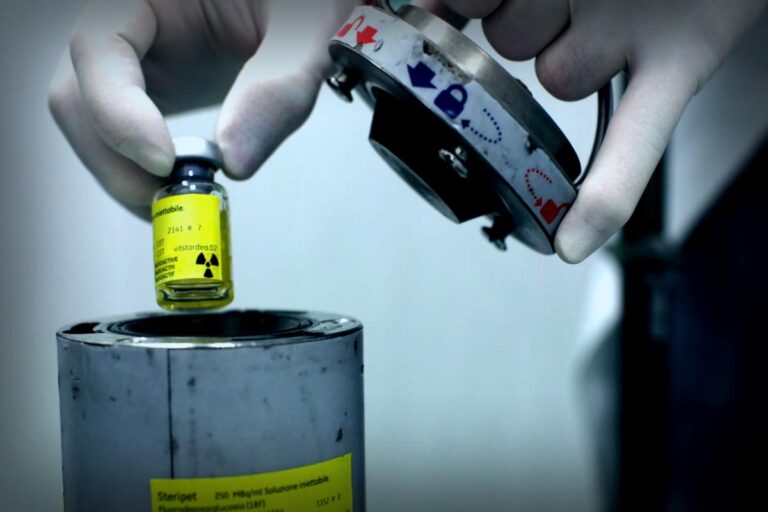



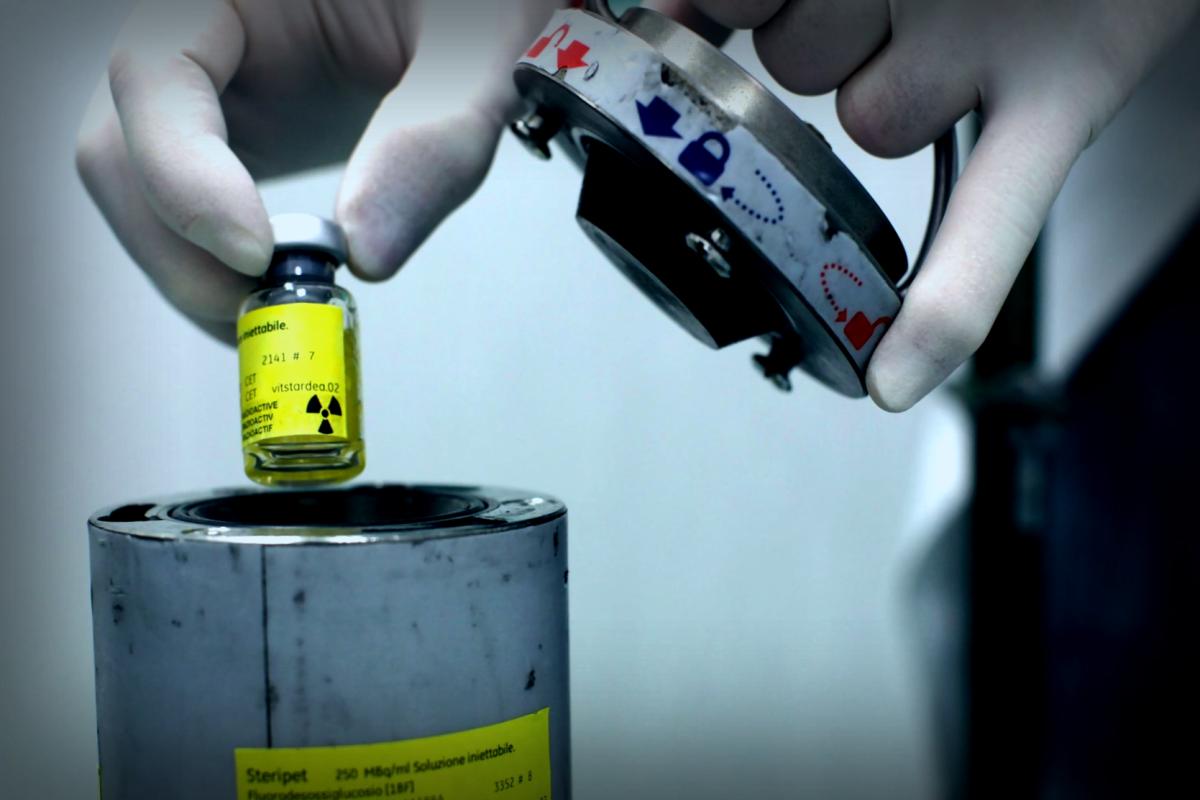
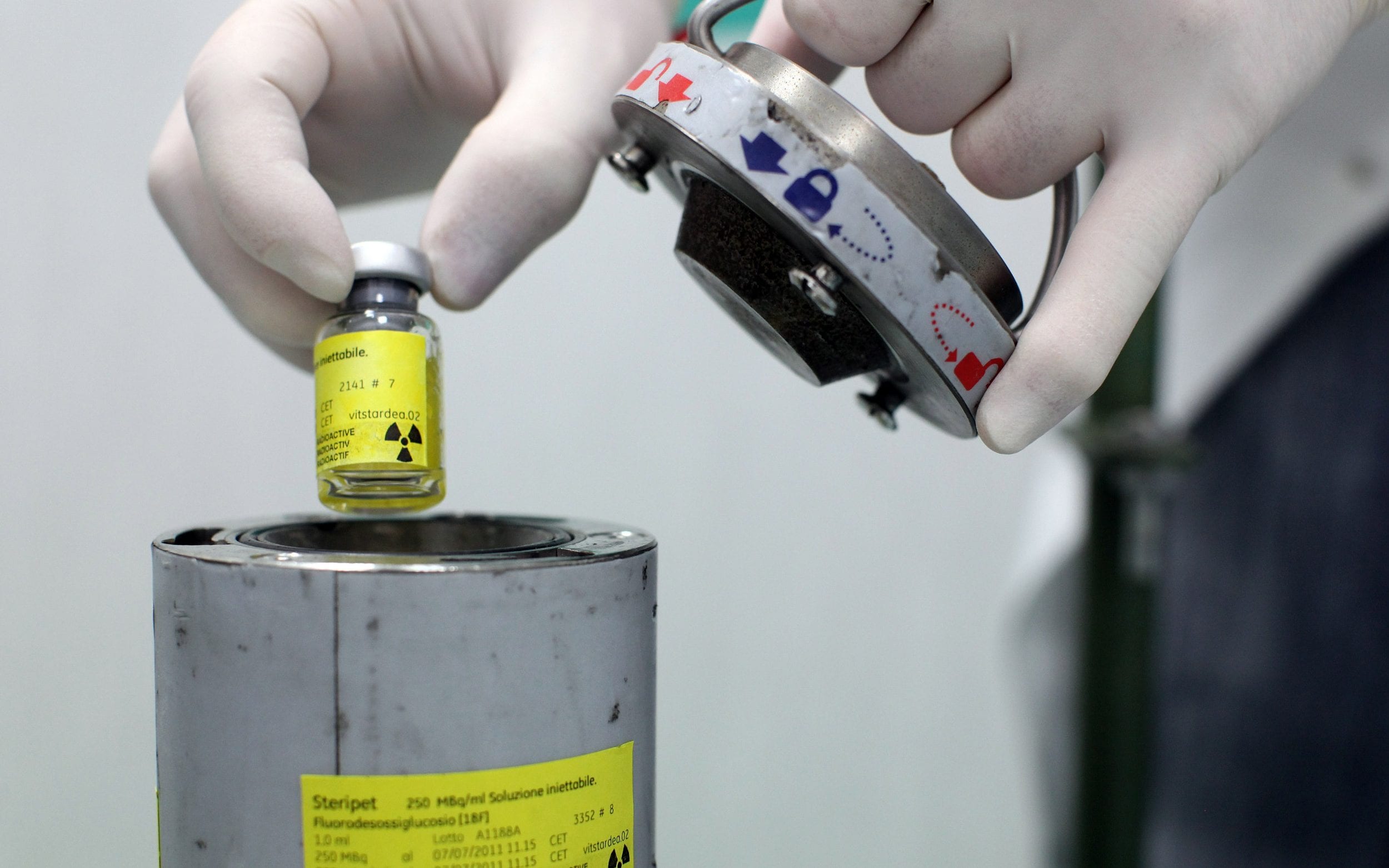
The UK government’s recent announcement signifies a groundbreaking initiative where spent uranium from nuclear reactors will be transformed into cancer-fighting medications.
A pioneering method born in Britain involves extracting lead-212. This important medical isotope will be sourced from reprocessed uranium to enhance the efficacy of radiopharmaceuticals.
Radiopharmaceuticals stand out as targeted drugs delivering radiation precisely to cancer cells. They hold promise for treatment, especially in aggressive cancers, like advanced prostate cancer.
Cambridge’s biotech firm, Bicycle Therapeutics—a company co-founded by Nobel laureate Sir Greg Winter—will spearhead the processing of the nuclear waste.
The UK’s Nuclear Decommissioning Authority (NDA) has pledged to supply Bicycle with 400 tonnes of decommissioned material from UK nuclear plants for the next 15 years.

Adding her input, Liz Kendall, the Secretary for Science and Technology, commented, “Using nuclear materials to create advanced cancer therapies might sound like a sci-fi concept, yet our brilliant minds in science and medicine are turning this vision into a potential lifeline.”
“This represents the pinnacle of medical science, fighting away at some of the most formidable cancer types,” she continued.
With nearly 3.5 million people battling cancer in the UK, and many more affected globally, the emotional toll is profound. “Breakthroughs in medical science are instilling hope, and this collaboration can extend that hope even further,” added Kendall.
The UK has relied on nuclear energy for over 70 years, accounting for 15% of the country’s electricity. However, the process also generates radioactive waste, which can stay hazardous for incalculable years—some estimates suggest up to 10,000 years.
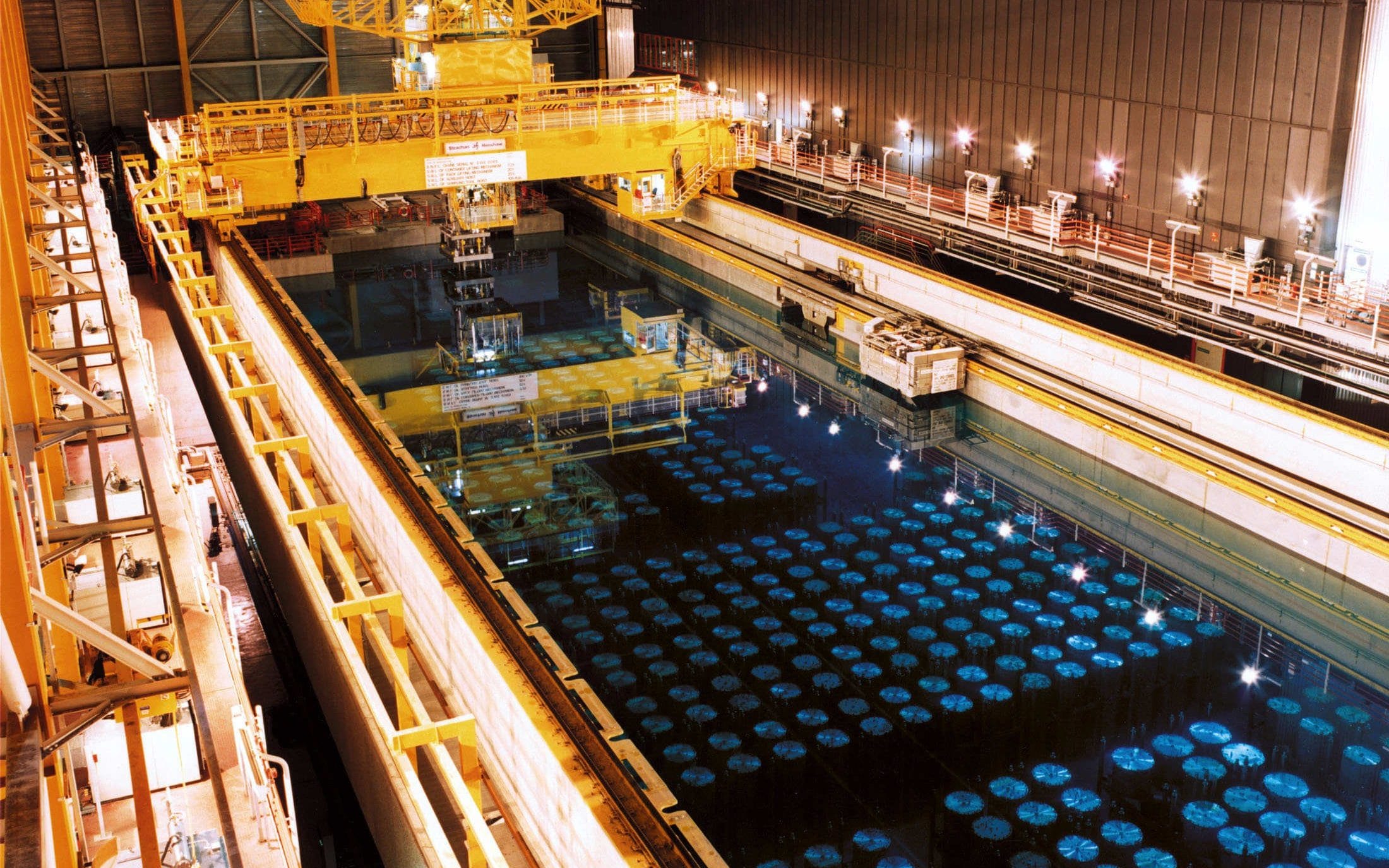
This nuclear waste often undergoes temporary storage underwater or in special casks, eventually ending up in secure containers buried deep underground to prevent risk of leakage.
The UK’s radioactive waste is estimated to exceed 4.5 million cubic meters, with around 75% safely stored at the Sellafield nuclear facility in Cumbria.
The government plans to repurpose this waste to craft vast quantities of medicine beneficial in treating intricate diseases, like certain neuroendocrine cancers affecting organs like the pancreas and gut.
Experts believe lead-212-based radiopharmaceuticals could mark the future of cancer therapies by allowing for pinpoint targeting of tumors, reducing collateral damage to surrounding healthy tissues.
This approach—alpha therapy—loses its radioactivity within three days, ensuring it doesn’t compromise the immune system’s function, which takes time to reactivate.
Traditional radiation treatments often result in reduced immune defenses, which hinders the body’s cancer-fighting capabilities.
The short half-life of lead-212 permits more frequent dosing to align with tumor growth dynamics without becoming harmful. The drugs target individual cancer cells, administering tiny doses of alpha radiation that can’t even penetrate paper, thus sparing nearby healthy cells.
Chief Executive of NDA, David Peattie, expressed pride in making part of the uranium inventory available for Bicycle’s work on groundbreaking treatments. “We take our responsibility in managing and disposing of the UK’s radioactive materials seriously, and this partnership illustrates how we aim to expand our mission’s horizon.”
Dr. Kevin Lee, CEO of Bicycle Therapeutics, remarked, “This is a pivotal achievement bringing us nearer to our aspiration of extending patients’ lives and improving their quality of life.”