


The aviation world is on alert as scientists recently recorded the highest levels of solar radiation in nearly 20 years. This spike, attributed to a powerful solar storm, could pose challenges for electronic systems on aircraft if more severe storms occur.
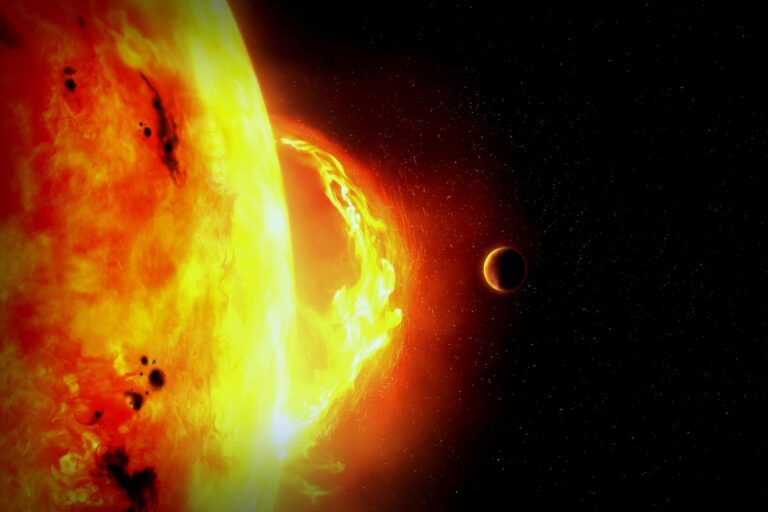
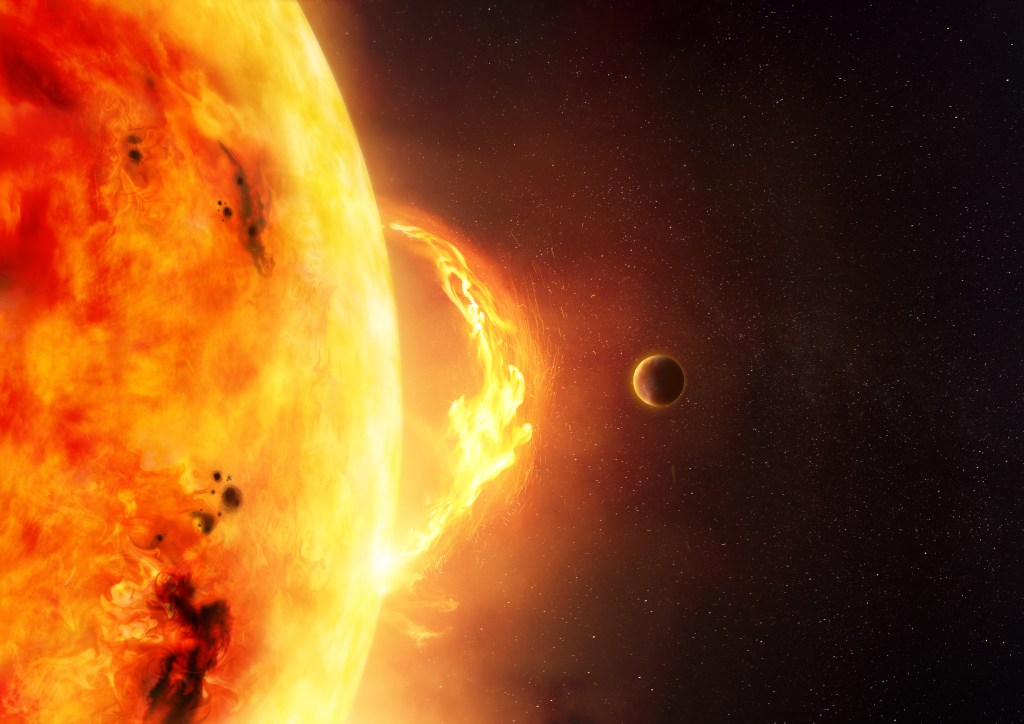
On November 11, astronomers observed a significant phenomenon known as a ‘Ground Level Enhancement’ due to a solar flare, which allowed solar energetic particles to penetrate Earth’s atmosphere deeply, leading to an observable radiation surge.
Researchers from the Surrey Space Center at the University of Surrey in the UK utilized innovative balloon-mounted space radiation probes to document the storm’s effects in the upper atmosphere.
According to Professor Clive Dyer, an expert on space weather, “This has been the strongest Ground Level Event we’ve noted since December 2006.” He explained how global neutron monitors registered substantial radiation increases, aided by new monitors installed in the UK at Lerwick, Guildford, and Camborne. These tools help scientists create a comprehensive map of the storm’s footprint worldwide.
“Our sensors have provided unprecedented clarity on the rapid condition shifts at levels where aircraft fly. History suggests that much stronger events are possible, and it is essential for us to be prepared,” Dyer added.
The U.K. Met Office and the Royal Netherlands Meteorological Institute (KNMI) monitored this solar storm in real-time, measuring radiation at altitudes frequented by commercial aircraft, as well as business jets and supersonic transport, all thanks to weather balloons that carried sensors from Surrey Space Center.
At altitudes of about 40,000 feet, radiation levels peaked at nearly 10 times above the standard background levels recorded over the past decade.
While the most recent solar phenomena did not pose immediate health risks, researchers caution that future intense solar storms could harm electrical systems on board aircraft. During the peak of the recent storm, it was estimated that there could have been approximately 60 instances of ‘single-event upsets’—bits flipping in the memory of onboard computers caused by charged particles—per hour for every gigabyte of memory.
Typically, solar flares of this caliber occur two to three times within each solar cycle, although for the last couple of decades, the sun has been relatively docile.
The radiation surge on November 11 reached just about two percent of the maximum level recorded back in 1956, during which some aircraft could have experienced over 100 times the normal radiation dose, according to researchers.
Do you have a science news tip or questions about solar flares? Feel free to reach out to science@newsweek.com.