


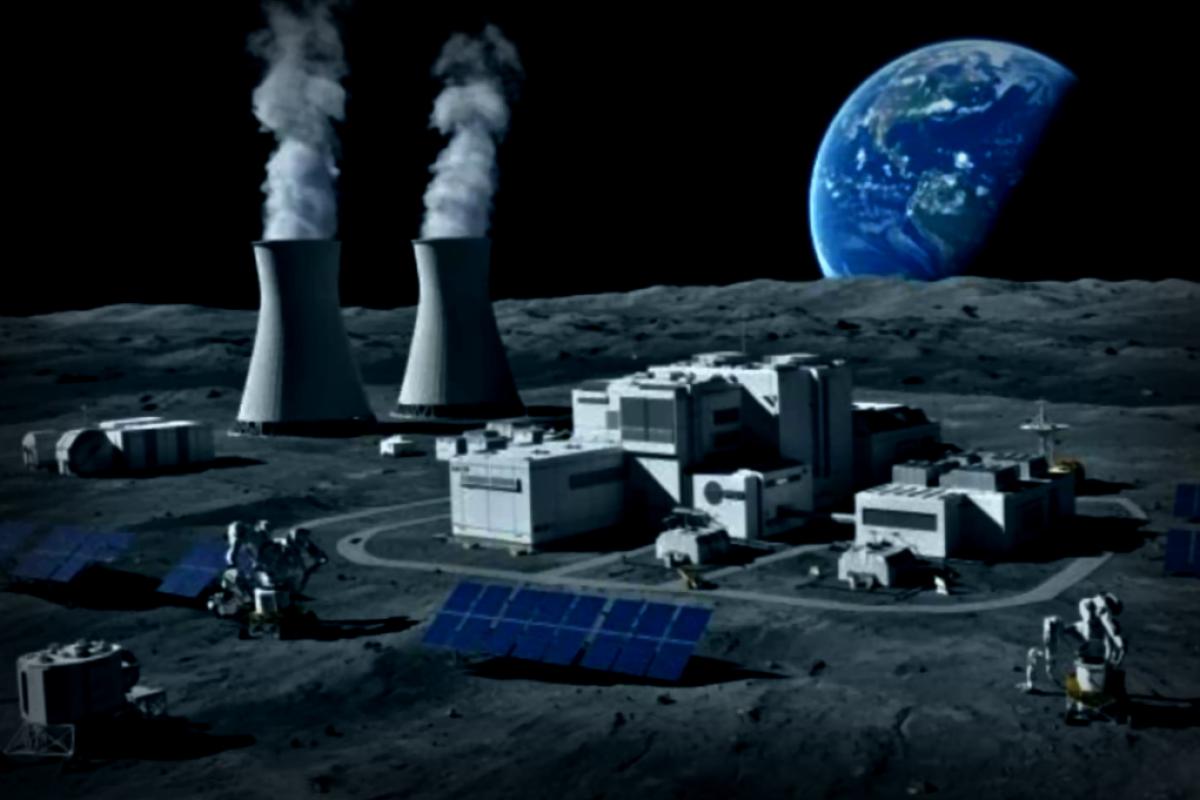
NASA has some big plans for the Moon! The space agency is set to send a nuclear reactor there by 2030, which is a key part of their strategy to build a long-term base for people to live and work on the lunar surface. This project tries to solve the problem of how to supply reliable power on the Moon, considering that solar energy isn’t going to cut it for extended dark periods.
This move comes as part of a larger space race, with major players like China and Russia also gearing up to build their lunar habitats. The U.S. has prioritized its proposal, especially given the growing global competition in space exploration. NASA’s project to set up a nuclear reactor is crucial for supporting future lunar adventures, including the upcoming Artemis missions aimed at landing humans back on the Moon.
The Power Challenge on the Lunar Surface
One of the biggest hurdles in creating a lunar base is figuring out how to generate enough energy for everything humans will need. A lunar day lasts about 28 Earth days, featuring two weeks of sunlight followed by two weeks of total darkness. This cycle makes it tricky to rely on solar power alone, especially for efforts that need uninterrupted energy.
Dr. Sungwoo Lim, a senior lecturer in space applications from the University of Surrey, explains:
“Setting up even a simple lunar habitat that could house a small crew would require megawatt-scale energy production. Relying only on solar panels and batteries won’t do the job.”
Experts are leaning towards the idea that nuclear energy might be our best shot at powering lunar missions efficiently. NASA’s plan includes a reactor that could deliver at least 100 kilowatts of power, which though a bit smaller than typical wind turbines on Earth, could provide a steady and dependable energy resource necessary for these missions.
Competition among Space Powers
The quest to establish a lunar presence is getting intense, especially with China and Russia also entering the fray. As noted in a BBC report, both nations are looking to set up nuclear power stations on the Moon by 2035. This escalating rivalry has raised flags in the U.S., where NASA’s acting head Sean Duffy is concerned that these countries could create exclusive “keep-out zones” around their lunar bases, complicating international cooperation.
While some experts believe this competition may spark innovation, others caution that a focus on national agendas could undermine collaborative scientific achievements. Dr. Simeon Barber of the Open University reflects:
“It seems like we’re repeating the competitive atmosphere of the early space race days, which is a bit disheartening from a scientific view.”
Overcoming Challenges Ahead
Transporting radioactive materials to space certainly comes with its set of challenges, especially in terms of safety. Dr. Barber acknowledges that special permits are needed to launch such materials into space, but he believes it’s achievable. Nonetheless, designing a reactor that operates safely on the Moon will still pose significant complexity and costs.
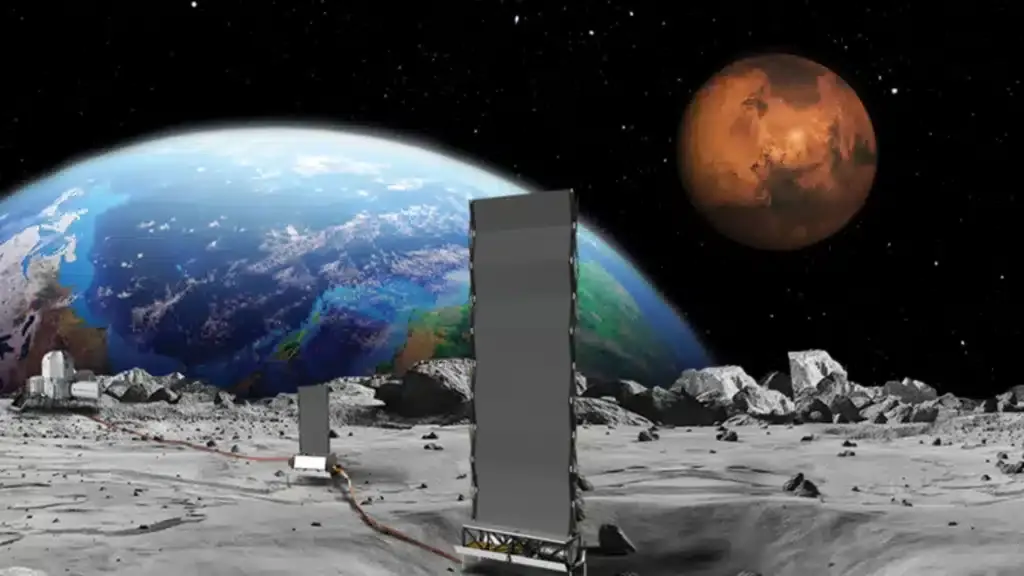
“Building a nuclear reactor, or any base on the Moon means claiming surrounding space as your safety zone because machinery will be in place there.”
In addition to these challenges, NASA faces the task of establishing the necessary infrastructure to support a lunar base.
The Artemis program, which aims to send individuals to the Moon by 2027, has faced its fair share of delays and budget cuts, leading to worries about sticking to the schedule. Without a solid plan to transport both personnel and equipment to the lunar surface, the goal of a nuclear reactor remains just a far-off ambition.