


At the ocean’s depths, where crushing pressure can warp metals and light never penetrates, a brief, grainy clip has taken social media by storm. The video reportedly showcases a deep-sea drone observing a serpentine figure swimming close to the bottom at around 11 kilometers deep—right by the Earth’s most profound trench. But here’s the catch: there’s no technical data, missions logs, or anything from credible scientific institutions behind this footage, leading many to wonder what’s really going on in the abyss.
Unraveling the Mysteries of the Hadal Zone

The hadal zone refers to the deep ocean layers starting below 6,000 meters, and they are known to be shockingly unforgiving. Incredible pressures may surpass 16,000 psi, yet scientists have recorded fascinating life forms like amphipods, sea cucumbers, different kinds of worms, and resilient fish species that have adapted to handle these brutal conditions. Their survival hinges on unique molecules known as trimethylamine N-oxide (TMAO), which help structure cellular proteins, alongside soft, low-mineral skeletons to endure the vast weight of water overhead.
However, even here, the exceedingly complex life begins to dwindle as you delve deeper. The deepest fish discovered—a type of snailfish—inhabits waters around 8,300 meters, which isn’t nearly as deep as the 11,000 meters referenced in the viral clip. Below this depth, organisms tend to be marginally smaller and more simplistic—not fast-moving giants. Extended trench communities are dictated by sparse energy levels and limited food availability; this repression affects both their size and mobility. So, proposing there’s a larger creature lurking deep down requires significant proof: solid biological samples, top-notch visuals, and independent review.
Innovations in Deep-Sea Technology
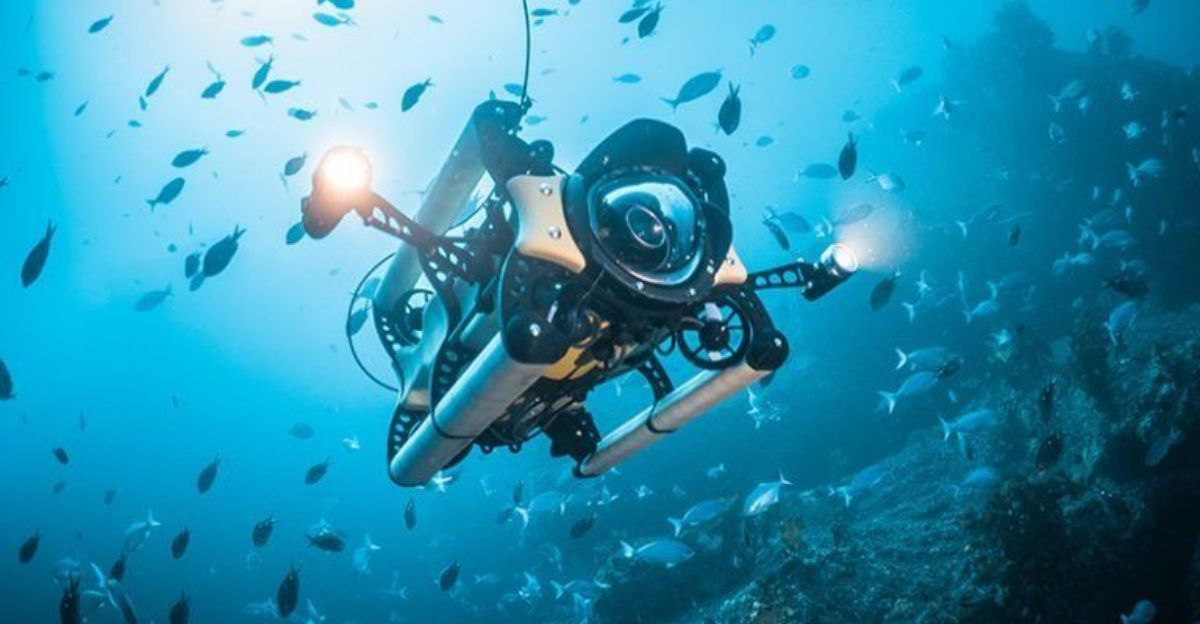
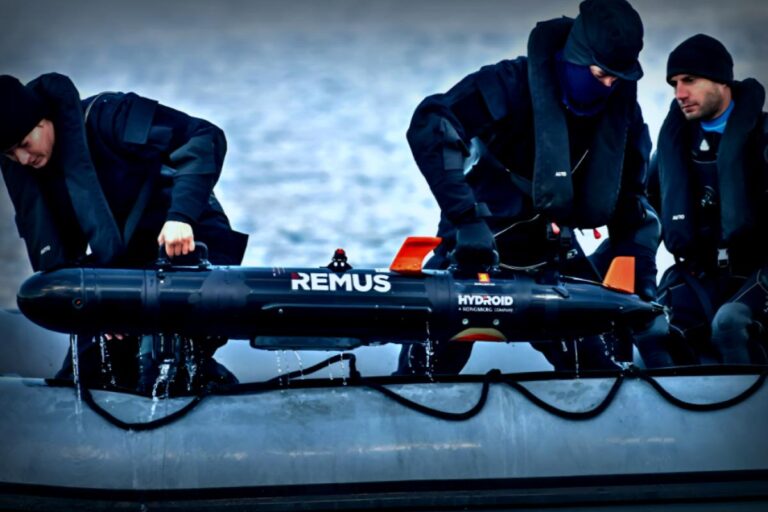
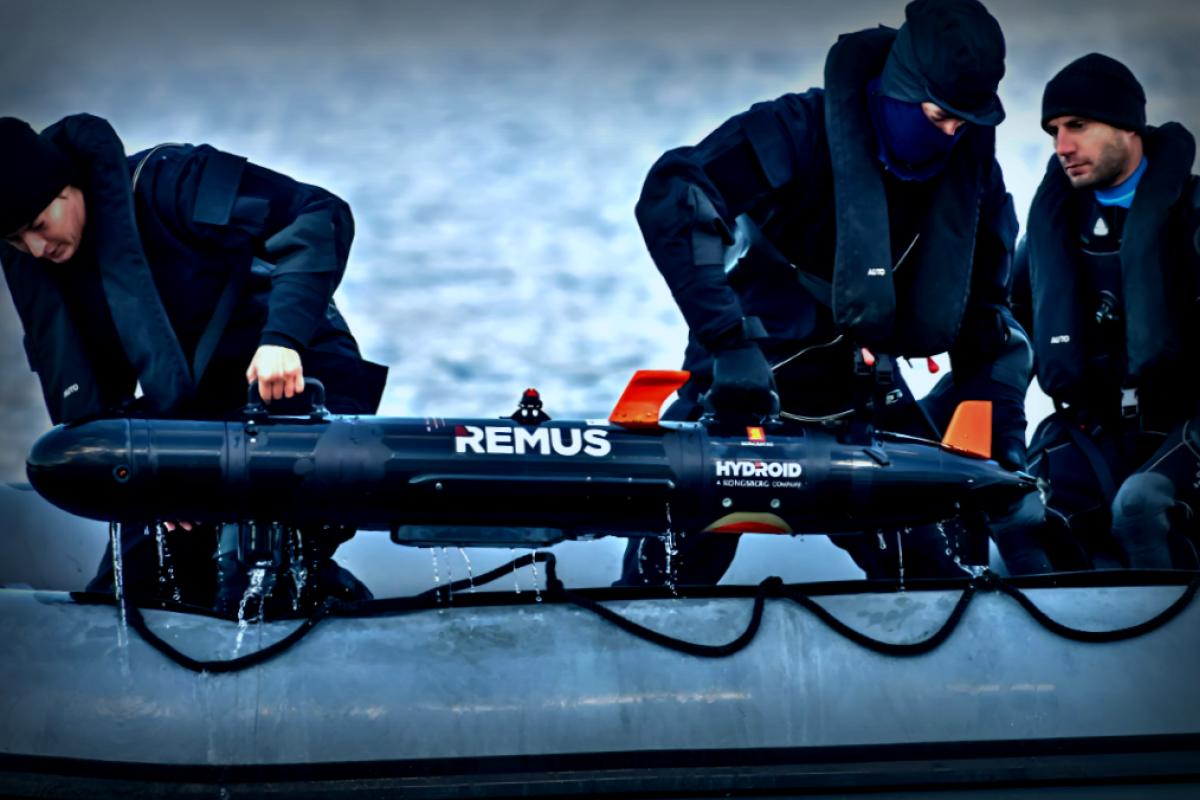
In the past few years, autonomous underwater vehicles (AUVs) have been delving deeper into the ocean’s trenches, thanks to advancements in pressure-resistant titanium housing, snug electronics, and designs inspired by tiny space apparatuses. These drones are typically outfitted with sonar, cameras, and gadgetry to gauge temperature, chemistry, and currents while exploring pitch-black waters beneath enormous pressure. Nations like the US, China, and Japan have even rolled out specialized vehicles that can plumb these abyssal depths multiple times.
Despite exciting developments in technology, no scientific missions have published concrete sensor readings or videos unequivocally demonstrating unknown mobile life at the ocean’s floor. Whenever peculiar findings arise, scientists often seek out confirmation across various tools and dives. If an unusual shape is registered by a camera, researchers cross-verify it using sonar, pressure metrics, and environmental indicators to eliminate factors such as sediment clouds, reflections, or technical interference. The viral video does not offer this vital contextual information—making it hard for specialists to gauge if the detected motion is due to flowing currents or an organic entity.
The Exploration of the Deep Sea Over Time
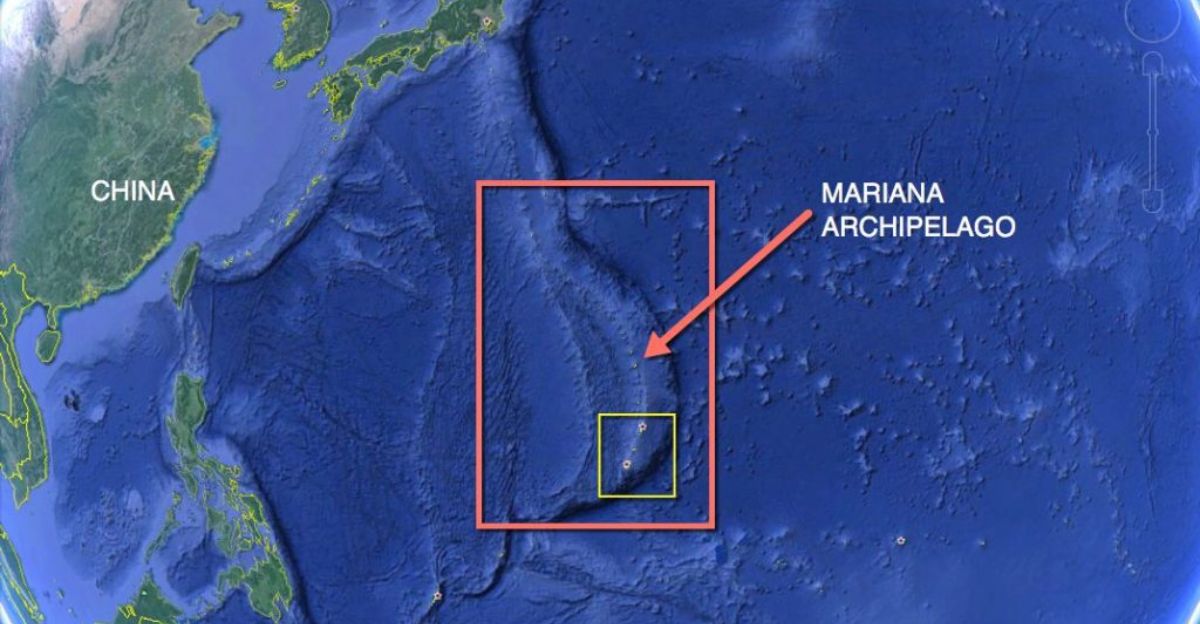
For over a century, deep-sea trenches have captured the scientific community’s interest. The Mariana Trench was first evaluated back in the 1870s, and humans finally descended to its lowest point, Challenger Deep, in 1960 using the bathyscaphe Trieste. Following explorations, such as those conducted by Deepsea Challenger and the submersible Limiting Factor, have revealed a world painted with microbial and invertebrate life, yet they have found no sign of large unknown creatures.
Interestingly, contrary to fancy tales, scientists didn’t believe the deep sea lacked life altogether. By the middle of the 20th century, explorers were already retrieving diverse fauna like amphipods and sea cucumbers from well under the reach of sunlight. Surveying trenches in regions such as Mariana, Tonga, Kermadec, and Japan has announced the discovery of hundreds of hadal biota, most of which are endemic to those regions. The activity on the ocean floor, however, correlates more with sediment movement, minor scavengers, and microbial participation rather than sizable predators.
Scientific Skepticism & the Role of Energy
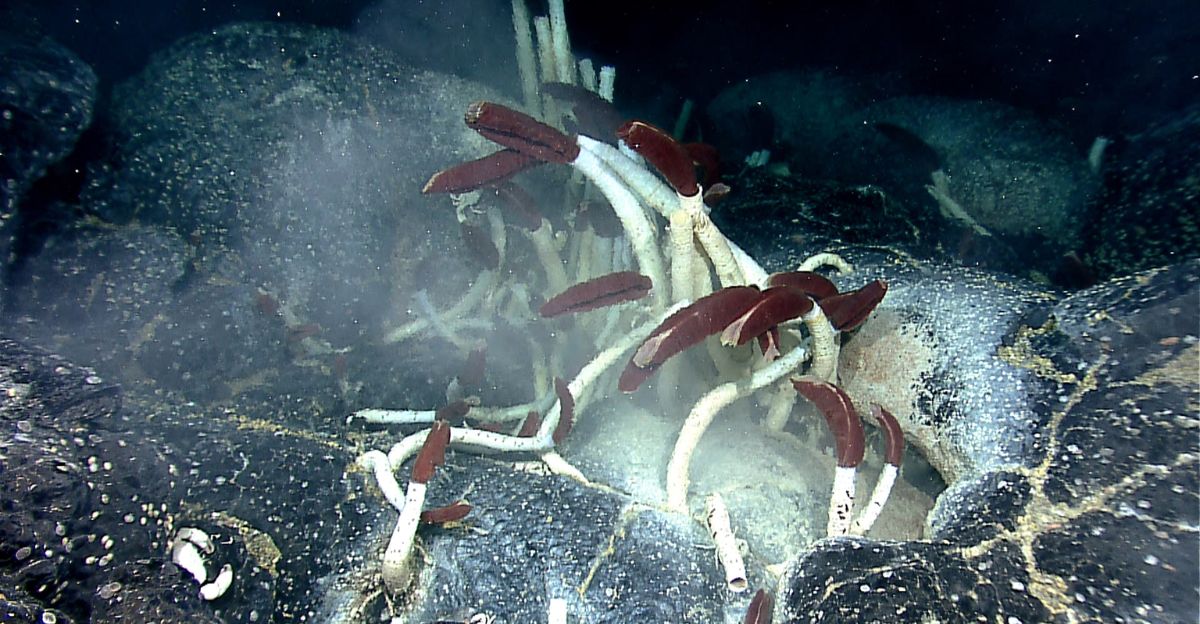
Life down in the hadal depths clings more to chemical energy than sunlight. Microorganisms feast on methane and hydrogen sulfide emitted from tectonic and hydrothermal activities—these substances enable the entire local food web. Smaller invertebrates might thrive by consuming these microorganisms or engaging in symbiotic relationships with them. Although this ecosystem proliferates microscopic and tiny macroscopic organisms, it likely doesn’t support the kind of energetic needs large creatures would require to thrive over an extended duration.
The extraordinary pressure of nearly 11 kilometers further complicates survival. Gases are compacted, enzymes morph, and skeleton structures confront their defined limits at these depths. Despite astounding discoveries of deep-sea gigantism in certain amphipods—growing bigger than their shallow-water cousins—these creatures only reach a mere few inches long. None at this full ocean depth have exhibited the type of serpentine movement claimed by the viral footage. Physiologically and energetically speaking, the burden of evidence for such extraordinary life spotting remains immensely high, and vague visuals lacking further supporting evidence simply don’t meet this stringent threshold.
Looking to the Future: Wonders of Exploration
This unverified video, however, has reignited curiosity about the planet’s least explored regions. Oceanographers are ramping up trench mapping initiatives, unleashing state-of-the-art AUV series, and partnering internationally on collaborative studies for sharing samples and data. As our technology gets better, upcoming missions may just unveil new life forms or stunning behaviors in these remote ocean counties still shrouded in mystery.
As it stands, the purported sighting at nearly 11 kilometers below remains more of an internet fascination than a documented piece of evidence. This whole theme reveals how powerful viral content can instigate public excitement about distant environments, while simultaneously highlighting the necessity for reliable, reproducible evidence when it comes to rethinking scientific perspectives on the potential for sophisticated life existing in the deep ocean.
Sources:
- Discover Magazine, ‘The Mariana Trench Is 36000 Feet Deep, and an Ocean Mystery Full of Life Exists There’
- PMC/NCBI, ‘Geology, environment, and life in the deepest part of the ocean’
- South China Morning Post, ‘Tiny Chinese drone conquers Earth’s deepest point beyond reach of US Navy’
- New Scientist, ‘How life thrives in one of the most hostile environments on Earth’
- CBS News, ‘Underwater voyage finds sea creatures thriving in the deepest parts of the ocean’
- Wikipedia, ‘Hadal zone’